

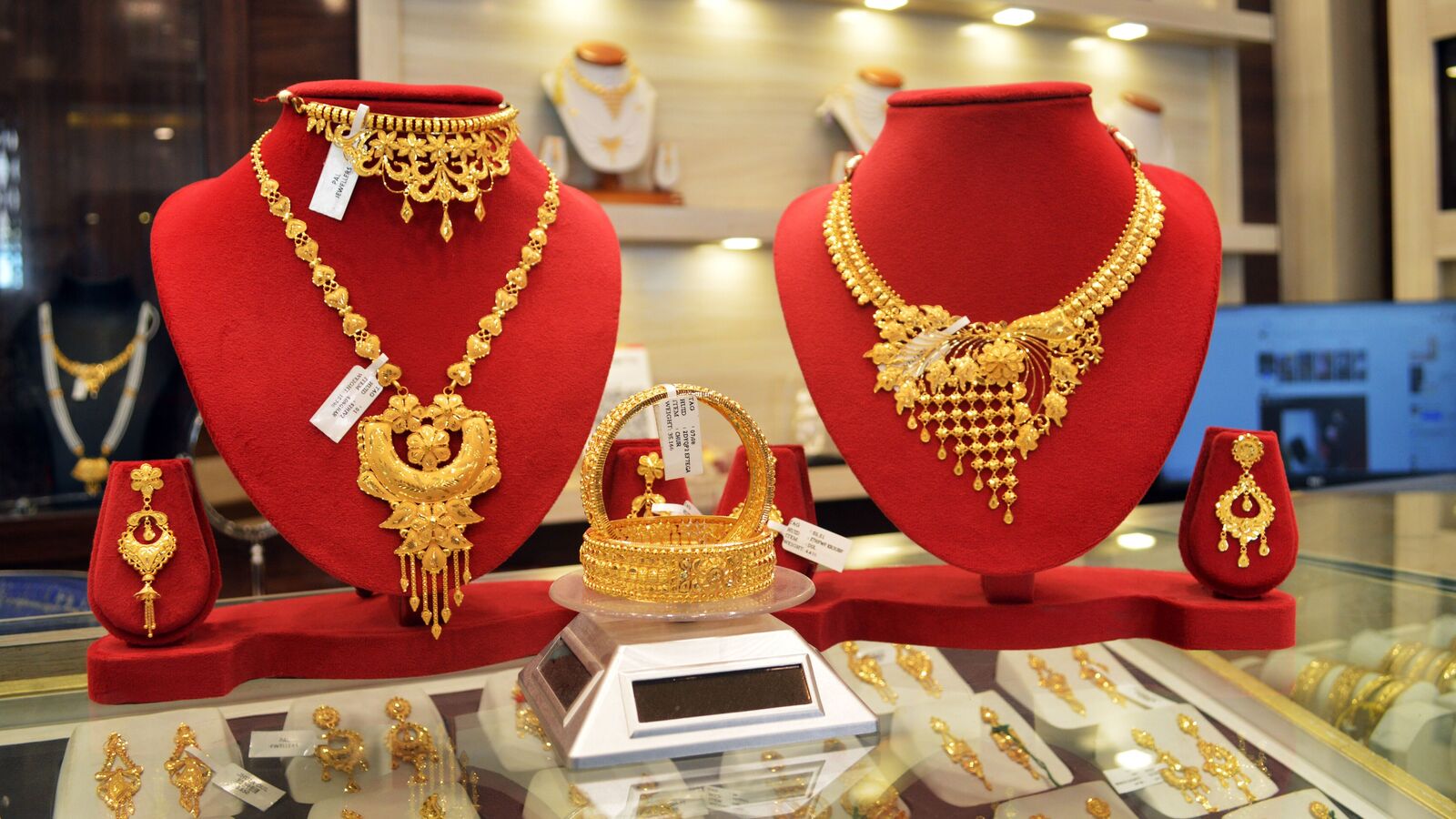
As the Union Budget 2026–27 approaches, India’s gems and jewelery industry is calling for a mix of demand-boosting measures, tax rationalization and structural reforms to navigate price volatility, global trade uncertainty and evolving consumer preferences. Gold and silver prices have been trading at record high levels, making jewelery costlier for consumers.
Gold prices have rallied around 17% this year so far, adding to a 64% jump in 2025, supported by sustained safe-haven demand, robust central bank purchases, US monetary policy easing and record inflows into exchange-traded funds. Silver prices saw a 147% surge last year.
Industry leaders believe targeted policy support could help sustain domestic consumption, unlock household gold value and strengthen India’s position across global jewelery and diamond markets.
Despite sharp volatility in gold and silver prices, consumer demand has remained resilient, albeit more calibrated, underscoring jewellery’s role as both an emotional purchase and a store of value.
Suvankar Sen, MD & CEO of Senco Gold, says affordability will be key in the coming year, especially as gold prices remain elevated. He highlights the need for regulated small-ticket EMI options for gold jewelery and a review of the current 3% GST rate to ease the burden on consumers and encourage greater participation in the formal market.
“Given India’s household gold holdings of close to 24,000 tonnes, continued policy focus on innovative mechanisms to mobilize physical gold can help unlock significant long-term value for the economy,” Sen said.
He also calls for a review of the 6% gold import duty, alongside focused vocational training for karigars, greater technology adoption and flexibility for SEZ units to serve domestic demand.
From an export and manufacturing standpoint, Mangesh Chauhan, Managing Director of Sky Gold & Diamonds, says the industry is seeking pragmatic reforms to reduce costs and improve ease of doing business amid a challenging global trade environment.
“A key priority is rationalizing import duties on gold, silver, platinum, colored gemstones and other essential inputs, as lower input costs would enhance export competitiveness. Simplification of customs procedures through faster clearances, risk-based checks, and digital documentation would reduce delays and lower logistics costs for exporters,” said Chauhan.
On the domestic side, Chauhan advocates streamlining GST on jewellery, including a reduction to around 1% – 1.25%, to boost formal sales and widen the tax base. He also flags the early rollout of the Tourist GST Refund scheme at major airports as a key measure to retain luxury spending within India.
“Additional support for skills development, infrastructure in export clusters, and industry formalization will further strengthen India’s position in global markets. In aggregate, these measures can stimulate domestic demand, safeguard jobs, and sustain export growth amid external uncertainties,” Chauhan said.
Following last year’s reduction in gold import duty, MP Ahammad, Chairman, Malabar Group, expects policy continuity in the upcoming Budget 2026, with potential for further calibrated cuts.
“Steps to make the gold monetization scheme more attractive would mobilize idle household gold, reduce import dependence, and support macroeconomic stability. A growth-oriented Budget that enhances disposable income, eases credit for the trade and continues infrastructure-led development will strengthen organized retail and generate employment,” said Ahmed.
Diamond Segment
In the diamond segment, industry leaders are calling for differentiated and balanced policy support. Jignesh Mehta, MD and Founder of Divine Solitaires, says geopolitical uncertainty and price volatility continue to weigh on the natural diamonds industry. He urges the government to rationalize the 5% import duty on cut and polished diamonds and colored gemstones to 2.5%, which could boost exports, employment and local manufacturing.
“Natural diamonds hold great value as emotional purchases as well as lucrative long-term investments and the recent BIS notification clearly differentiating natural from lab-grown diamonds was a step in the right direction for the industry, instilling trust and transparency in buyers. The current environment calls for a balanced policy approach, one that stimulates domestic demand, strengthens the organized jewelery ecosystem and allows the natural diamond industry to continue contributing meaningfully to India’s consumption economy and export growth,” Mehta. said.
At the same time, lab-grown diamonds are emerging as a sunrise segment. Anand Lukhi, Founder & CEO of Lukson, believes Budget 2026–27 should recognize the segment’s strategic importance through duty rationalization on raw materials and equipment, incentives for advanced manufacturing, and easier access to credit for MSMEs.
“Equally important is investment in design-led skilling and technology adoption, ensuring India moves up the value chain from volume-driven exports to high-value branded jewellery,” he said.
Highlighting the rising consumer preference for contemporary, lightweight diamond jewelery and increasing design-led demand, Neil Sonawala, Chairman, Zen Diamond anticipates incentives to boost organized retail and a forward-looking policy framework to enhance industry competitiveness.
“A budget that supports digital enablement, manufacturing and consumer confidence will be instrumental in unlocking the next phase of growth for the jewelery sector,” said Sonawala.
Collectively, the industry is looking for a balanced Budget that supports affordability, strengthens manufacturing and exports, and positions India as a global jewelery and diamond powerhouse in a rapidly evolving market.
Read Budget 2026 Expectations Live Updates here
Disclaimer: The views and recommendations made above are those of individual analysts or broking companies, and not of Mint. We advise investors to check with certified experts before making any investment decisions.

