

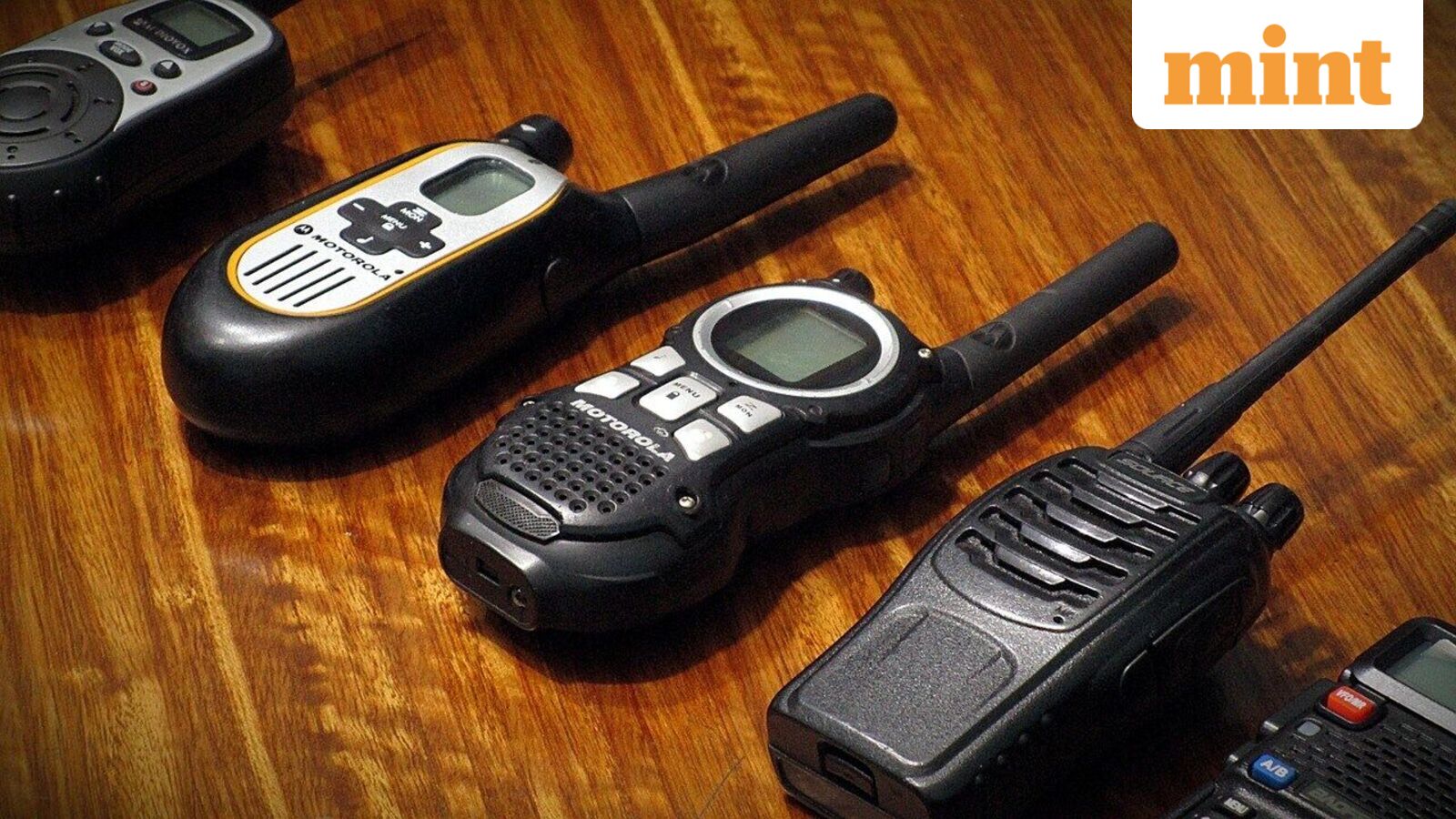
NEW DELHI: The Central Consumer Protection Authority (CCPA) has imposed a ₹10 lakh penalty on Infocom Network Pvt. Ltd, operator TradeIndia.com, one of India’s largest B2B platforms, for hosting and facilitating the sale of walkie-talkie devices without mandatory disclosures and regulatory compliance.
According to the order, dated 10 February, a large number of walkie-talkie devices were sold through various sellers on TradeIndia.com. The devices were largely manufactured in China, and no information was found on the platform to establish valid certification for sale in India. India’s consumer watchdog also noted that the availability of uncertified imported wireless devices raised serious concerns regarding consumer safety and regulatory compliance.
Mint has seen a copy of the order.
Earlier, Flipkart, Meta Platforms, Meesho, Reliance JioMart, Talk Pro (Iconet Services Pvt. Ltd), The MaskMan Toys and Chimiya were penalized for selling walkie-talkie devices without the required regulatory clearances.
The order said the platform allowed listings, advertisements and sale of regulated wireless communication devices without clearly displaying licensing requirements, frequency range specifications, or Equipment Type Approval (ETA) certification from the Wireless Planning and Coordination (WPC) Wing of the Department of Telecommunications.
CCPA observed that walkie-talkies are regulated under the Indian Telegraph Act, 1885, the Wireless Telegraphy Act, 1933 and the Use of Low Power and Very Low Power Short Range Radio Frequency Devices Rules, 2018. While certain frequency bands are exempt from licensing, others require mandatory authorization and ETA certification.
Listings on TradeIndia.com, the order said, did not provide adequate details regarding operating frequency range or licensing status, making it difficult for consumers to determine whether the devices were license-exempt or required regulatory approval.
“The omission of such material information amounted to misleading advertisement and unfair trade practice under Sections 2(28) and 2(47) of the Consumer Protection Act, 2019,” it said.
Queries sent to Infocom Network Pvt. Ltd remained unanswered till press time.
While pronouncing the final verdict, the CCPA said, “In light of the nature of the violations detailed in the foregoing paragraphs, it is necessary that the opposite party be directed to pay a penalty of ₹10,00,000 for indulging in misleading advertisement and unfair trade practice.”
Significantly, the CCPA held that TradeIndia, despite claiming to operate as a B2B marketplace, qualifies as an e-commerce entity under the Consumer Protection (E-commerce) Rules, 2020, and is obliged to exercise due diligence in preventing the listing and sale of prohibited or regulated products.
The CCPA rejected the platform’s argument that it functions merely as a passive intermediary. It ruled that intermediaries hosting structured digital marketplaces must take proactive steps to ensure compliance, especially where products involve statutory licensing and spectrum regulations. The continued availability of such listings, even after notice, was viewed as a failure to exercise due diligence under the Information Technology (Intermediary Guidelines and Digital Media Ethics Code) Rules, 2021.
The order noted that many listings described the products under alternative terms such as “wireless communication devices” and “interphones,” even after advisories were issued. Screenshots examined during hearings showed that listings continued to remain active without mandatory disclosures regarding licensing requirements, frequency bands, and ETA/WPC certification.
The CCPA also observed that the sale of non-compliant wireless devices may expose consumers to legal risks and potential national security implications, noting that buyers rely heavily on online descriptions and images and do not have physical access to verify regulatory compliance before purchase.
An expert on national security issues said the matter extends beyond consumer protection.
“Walkie-talkies operate on regulated band spectrums, and unauthorized devices—especially those imported without proper certification—can pose both regulatory and security risks. If such equipment is manufactured abroad and sold without Equipment Type Approval, authorities have limited visibility over frequency compliance and technical standards,” said Amit Singh, associate professor at the Special Center for National Security Studies, Jawaharlal Nehru University.
“In sensitive environments, misuse or interference with licensed spectrum can have operational implications. That is why regulatory enforcement in this segment is as much about security as it is about consumer safety,” said Singh.
CCPA has directed TradeIndia to ensure strict compliance with statutory requirements and prevent recurrence of such listings, underlining that digital platforms cannot escape responsibility by shifting the burden solely to third-party sellers.

