

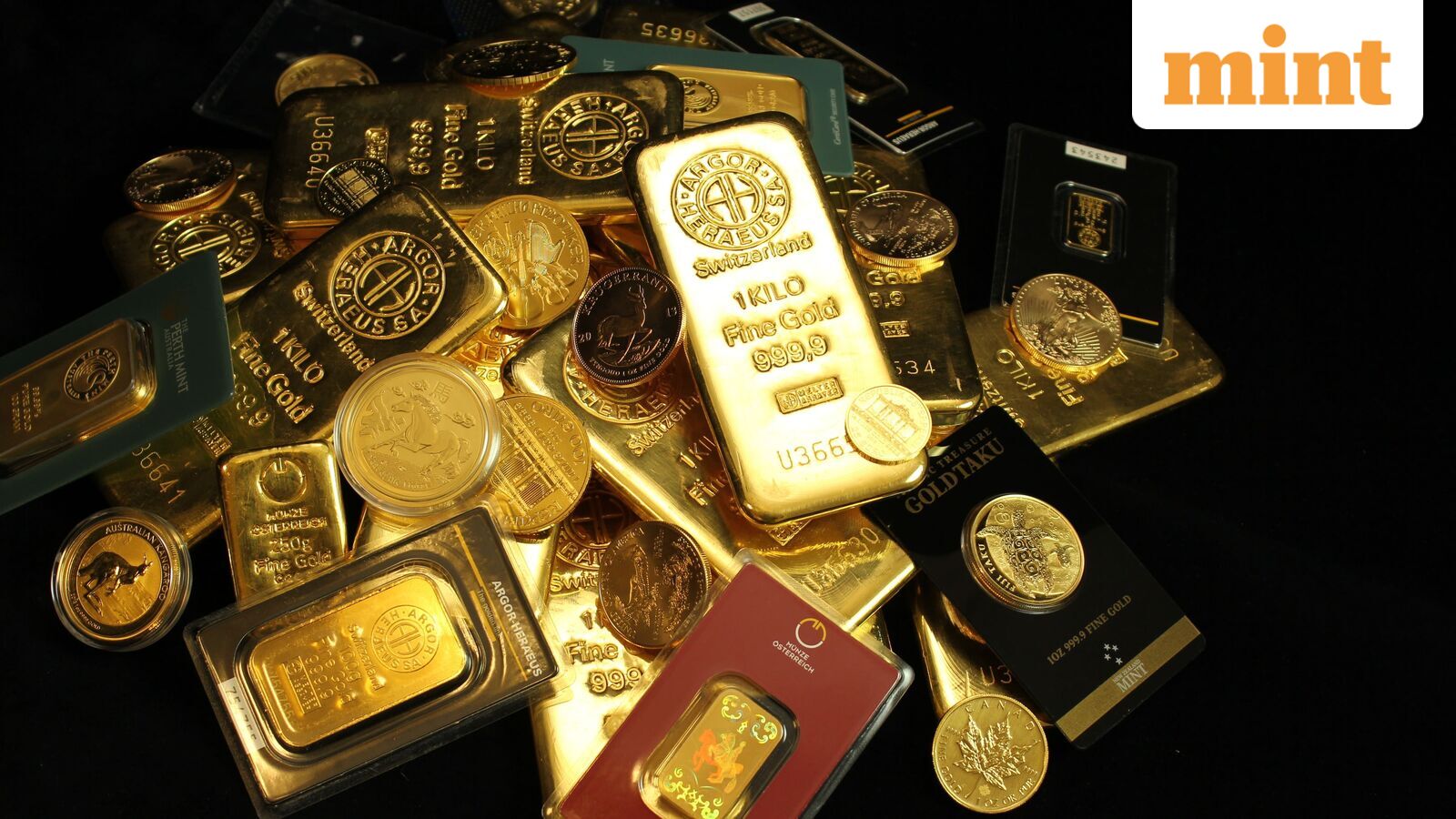
Gold rate today: Gold prices have entered a range-bound terrain after a stupendous start to the year, as tailwinds that supported the rally started to fade. The yellow metal broke below the crucial $5,000 mark on Thursday night and continues to remain so despite a 1% rebound today, February 12.
The fresh bout of selling in the gold prices was seen amid dimming expectations of the US Federal rate cut following the US jobs data. But bullish brokerage targets have raised expectations of gold gradually moving to the $6,000 mark.
The climb is unlikely to be one-way. Gold prices, which rose 70% in 2025 alone, need to rise at least 21% to achieve this feat from the current levels of $4950.
“Such a move usually only occurs in crisis conditions, especially when we have already seen such a strong increase in price over the last 18-24 months,” said Ross Maxwell, Global Strategy Operations Lead, VT Markets.
What could drive gold prices to $6,000/oz?
Signaling the factors that could power the gold rate to above $6,000, analysts see three conditions — massive central bank buying, unsustainable US debt and extreme macro conditions, including major geopolitical or financial risk.
1. Concerned US debt levels
For gold prices to reach $6000/ounce, the world needs to be in chaos, as gold prices react very well to uncertainty. This uncertainty can arise from the debt situation in the US, according to Prathamesh Mallya, DVP Research – Non Agri Commodities at Angel One.
As of 2026, the US has a national debt of roughly $39 trillion. The prime reason for this is repeated fiscal deficit, COVID stimulus, military spending, social security and Medicare costs, and rising interest rates cost.
“At present, it is not just the debt burden, but the interest payments on existing debt. The US has over $1 trillion per year just on interest, and that’s huge. Any uncertainty over this issue might result in investors moving to haven assets in turn, gold prices rising higher towards $6000/ounce,” opined Mallya.
Concerns around the US’s fiscal health have prompted buying of safe-haven gold by investors, including central banks.
2. Central bank buying
Central banks traditionally held a lot of US government bonds as a safe, liquid reserve. But in recent years, they have reduced Treasury holdings and increased gold, partly over worries about US fiscal deficits, high debt levels, and political risk affecting bonds’ long‑term value.
Global official gold holdings stood at 36,344 tonnes as of May, according to the World Gold Council (WGC), with the value of the stash, boosted by bullion’s surge past $3,500 an ounce this year, now exceeding central banks’ exposure to Treasuries, according to an Economic Times report.
Sandip Raichura, CEO of Retail Broking and Distribution & Director at PL Capital, opined that while several factors like inflation, weak US dollar and global uncertainty tend to boost gold prices, the increase in offtake by central banks could trigger a permanent and secular move.
“Internationally, institutions never used to buy gold except as a temporary hedge, but this now seems to have changed, and gold is finding its place in allocations increasingly as a wealth management policy,” he added.
Raichura said that gold has recovered post the Jan-end collapse and is well on its way to what we believe should be $6000 by the end of 2026. “We believe all dips are an opportunity to buy gold.”
3. Major geopolitical or financial shock
Meanwhile, Maxwell sees gold’s ascent to $6,000 to be unleashed by extreme macro conditions.
“We would need to see a combination of sharp USD weakness, aggressive rate cuts, sustained central bank buying, high inflation fears, and a major geopolitical or financial shock, as gold typically performs best when real interest rates fall and uncertainty rises,” he opined.
Whilst $6,000 is possible over the long term under current trends, it would be unlikely to be anytime soon unless we see a combination of the factors mentioned or there is significant global disruption, according to the expert.
Disclaimer: This story is for educational purposes only. The views and recommendations expressed are those of individual analysts or broking firms, not Mint. We advise investors to consult with certified experts before making any investment decisions.

