
Global investing is often described as the “only free lunch” in finance, because it is one of the primary methods of diversification. The term was coined by Nobel laureate Harry Markowitz and refers to the ability to reduce portfolio risk by spreading investments across geographies without necessarily sacrificing expected returns. It might feel safer to keep your money in your home country, but relying on a single economy is one of the riskiest moves an investor can make.
While we are positive on India, our The stock market is heavily weighted towards banking and traditional IT services. Additionally, the Indian Rupee has a depreciating bias and has fallen between 3% and 4% annually against the US dollar. By only investing domestically, you miss out on entire sectors that other countries do better. The US is the global leader in technology and artificial intelligence. East Asia (Taiwan, South Korea and Japan) is the world’s factory for technology supply chain. Europe (specifically France and Germany) dominates in luxury and high-end engineering.
One of the best ways to tap into global growth and innovation is via the All-Country World Index (ACWI). This index gives investors access to the global equity market in a single investment. With 65% weightage to the US and 35% access to rest of the world, the ACWI invests in US mega-cap technology, semi-conductor infrastructure, European value, Japan’s earnings revival, and Asia’s manufacturing engine.
When one region or sector cools, another heats up. The ACWI is often seen as a “middle ground” as it automatically rebalances to ensure that you are always invested in winners of the global economy. The MSCI ACWI delivered a dollar return of 22% in 2025 and has delivered an annualized return of almost 12% over the last 10 years.
The LGT India Global Equity Feeder (IFSC) Fund from GIFT City feeds into the All- Country World Index, giving Indian investors access to global growth and innovation.
A balanced 60/40 portfolio, which comprises of 60% equities and 40% bonds has been one of the most durable allocation frameworks in global investing. For years, bond yields were so low that after accounting for inflation, your real return was zero or even negative. However, with the 10-year treasury yield currently at over 4% and inflation cooling towards 2.5%, you are finally earning a significant “real” profit. The US federal reserve is currently in an easing interest rate cycle with 3 rate cuts in 2025 and additional rate cuts expected in the latter part of 2026. According to analysts at Alliance Bernstein, there is over $7 Trillion currently sitting in US money-market funds, and part of this is expected to move into bonds as rates drop, which could drive bond prices even higher. By buying bonds now, investors can lock-in today’s higher yields. The most efficient way for Indian investors to access the global bond market is via a US dollar bond fund which can give them the added benefit of dollar appreciation.
The LGT Wealth Global Bond Fund from GIFT City targets a US dollar return of over 8% per annum, with a fixed maturity in August 2028. The aim of the fund is to significantly outperform traditional USD fixed deposits and eliminate long-term duration risk.
Striking a balance is at the core of LGT’s investment philosophy. Our two GIFT City Funds are complementary to one another – whether you seek the broad-based growth of the All-Country World Index, or the enhanced, target-driven yields of our bond fund, the inverse relationship enhances long-term compounding. Operating from India’s International Financial Centre, our GIFT City alternative investment funds platform bridges local capital with global opportunity, giving Indian individual and corporate investors transparent and tax-efficient access to global opportunities.
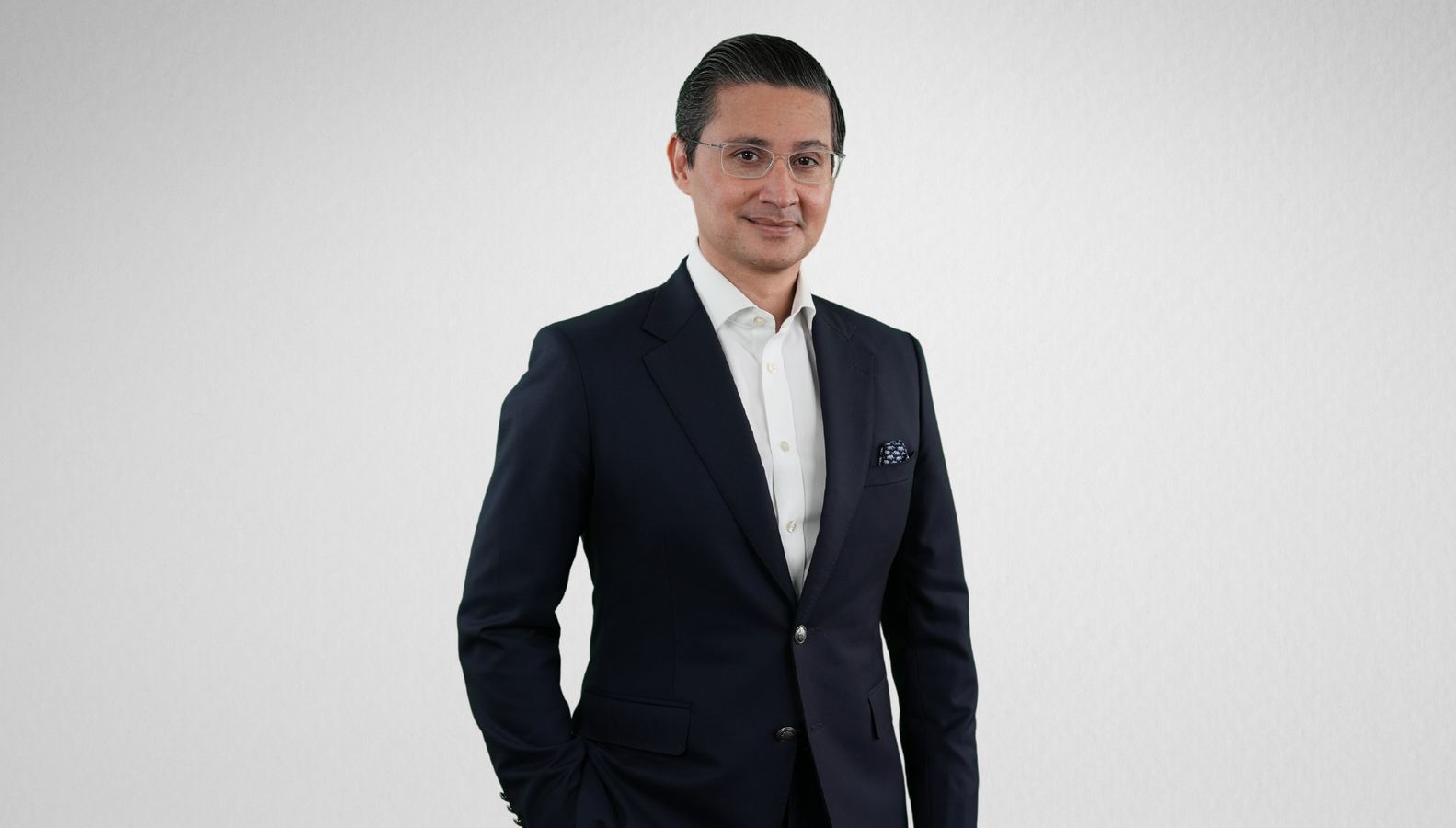
The author Nikhil Advani is the Managing Director – International Business at LGT Wealth India.
Disclaimer: This story is for educational purposes only. The views and recommendations above are those of individual analysts or broking companies, not Mint. We advise investors to check with certified experts before making any investment decisions.