

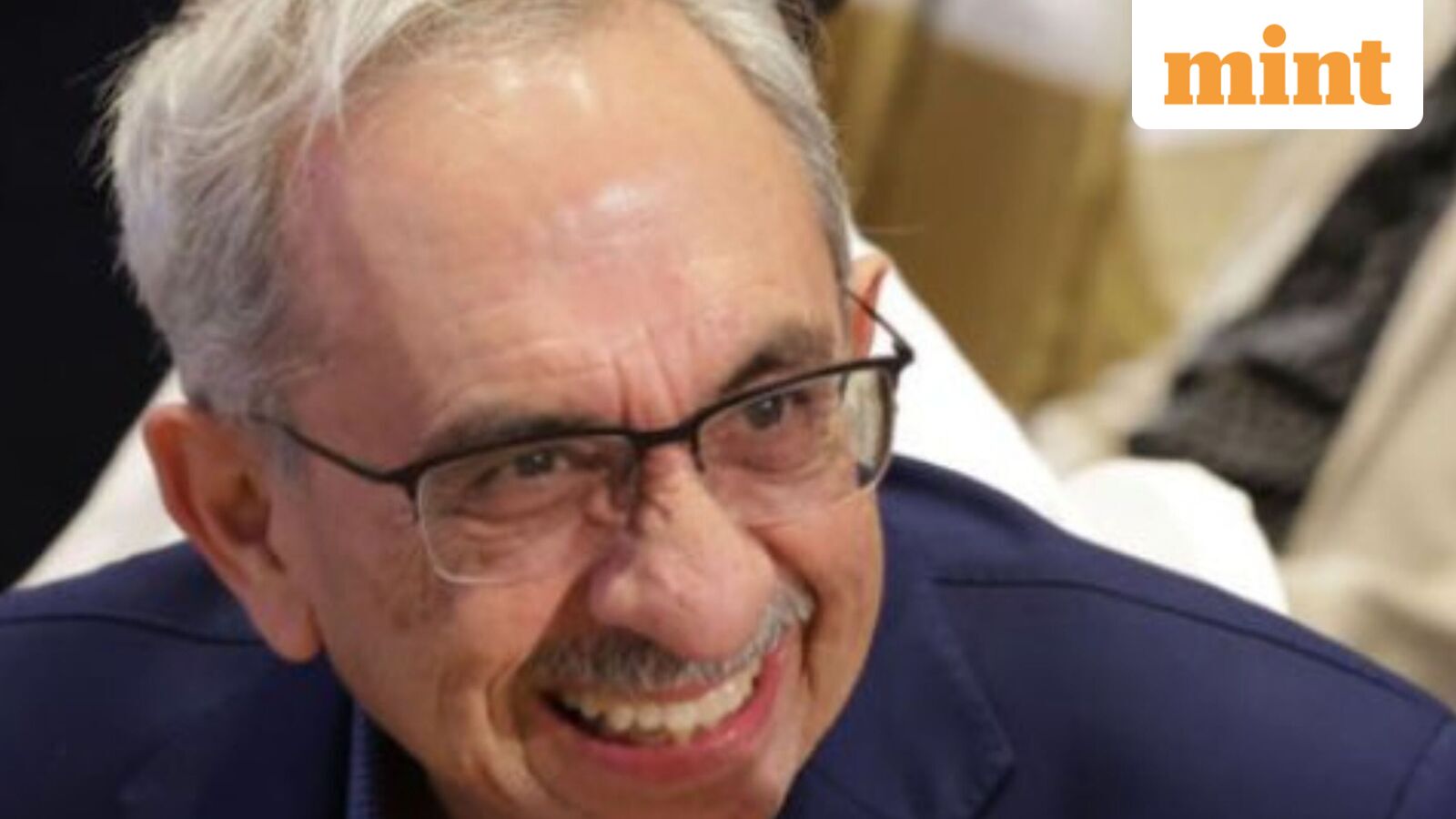
Nadir Godrej, Chairman and Managing Director of Godrej Agrovet and Godrej Industries, on Wednesday addressed one of the most pressing problems India faces: pollution.
According to Godrej, the problem of pollution can be resolved by speaking up. He said that many cities across the world have already found solutions to this issue.
Speaking on Day 2 of the Mumbai Climate Week, held at the Jio Convention Center in Mumbai, Godrej said there are clear solutions to address various types of pollution, including vehicular and construction pollution. He added that, for construction pollution, there are, in fact, rules in place to curb it, which are clearly not being obeyed.
Urging the citizens to “wake up”, he said that there are a lot of stakeholders in Mumbai who can push to resolve the problem of pollution.
Godrej cites examples of Beijing and Los Angeles
Citing examples of cities like Beijing and Los Angeles, Godrej said that many cities have been able to solve the pollution problem nearly a decade or 15 years ago. Questioning why Delhi and Mumbai can’t solve this problem, he said that while the solutions are fairly simple, the absence of a single, clear-cut authority to address it is the problem.
According to a 2013 report in The New York Times, the Chinese government waged a war against pollution and pressed ahead with a multiyear $100 billion effort to clean the air. The Chinese authorities intensified a clampdown on factories, forced old vehicles off the roads, and shifted from coal to natural gas.
He further said that many problems require collaboration and that, in the past, India has solved such problems. Reiterating his stance, Godrej asked people to speak up and push for it, adding that it is increasingly costly to lose so many lives to a problem with such simple solutions.
Who’s responsible for resolving the pollution crisis?
Nadir Godrej noted that one of the challenges in India is the lack of a stable local government. He added that while Delhi functions as a state, in cities like Mumbai, governance is primarily handled by the Maharashtra government, which oversees various civic organizations and initiatives.
He asked the Maharashtra government and the Brihanmumbai Municipal Corporation to “get serious” about pollution and to come together to address it.
Delhi, Mumbai AQI
Godrej’s remark on pollution comes at a time when the country is dealing with a persistent pollution crisis that worsens with the onset of winter. According to a report in Mid Daythe average air quality index (AQI) in Mumbai in February was 121, in the moderate category, while those in January and December were 107 and 117, respectively.
In Delhi, where the central government is hosting the AI Summit, the AQI at 9 AM was reported at 219 and hovered in the “poor” category, despite early-morning relief from rain, data from the Central Pollution Control Board (CPCB) showed.
India’s biggest problem is air pollution: Gita Gopinath
Speaking at the World Economic Forum in Davos in January this year, former International Monetary Fund (IMF) chief economist, Gita Gopinath, said that pollution is a bigger threat to the Indian economy than trade tariffs. She further said that it is quietly becoming one of the most serious long-term risks to India’s economic growth.
“Pollution is a challenge in India, and its impact on the Indian economy is far more consequential than any impact of tariffs imposed so far,” she said.

