The political conflict regarding tariffs in America has now come to the fore on the legal front. President Donald Trump’s trade policy suffered a major setback when the Supreme Court declared his tariffs imposed under the emergency law illegal. This decision, which came with a majority of 6-3, has not only raised questions on the strategy of the Trump administration, but has also brought trade policy at the center of a new debate in the election year.
Big decision of Supreme Court
The US Supreme Court said in a 6-3 decision that the President’s emergency authority to impose tariffs was beyond his constitutional jurisdiction. The court made it clear that under the International Emergency Economic Powers Act (IEEPA) of 1977, the President has the right to ‘control’ trade in an emergency, but this law does not directly allow the imposition of tariffs. This decision of the court is being considered as a big relief for those states and companies who had approached the court against the increased import duty.
Tariffs were imposed under IEEPA
Taking the help of this law, President Trump had earlier imposed additional tariffs on Mexico, Canada and China. After this, in the name of ‘Liberation Day’, he imposed comprehensive tariffs on many countries including India. Trump argued that these steps were necessary to promote American industry and manufacturing. He has been saying that the tariffs will force foreign companies to invest in America and factories will return.
Trump’s sharp reaction after the decision
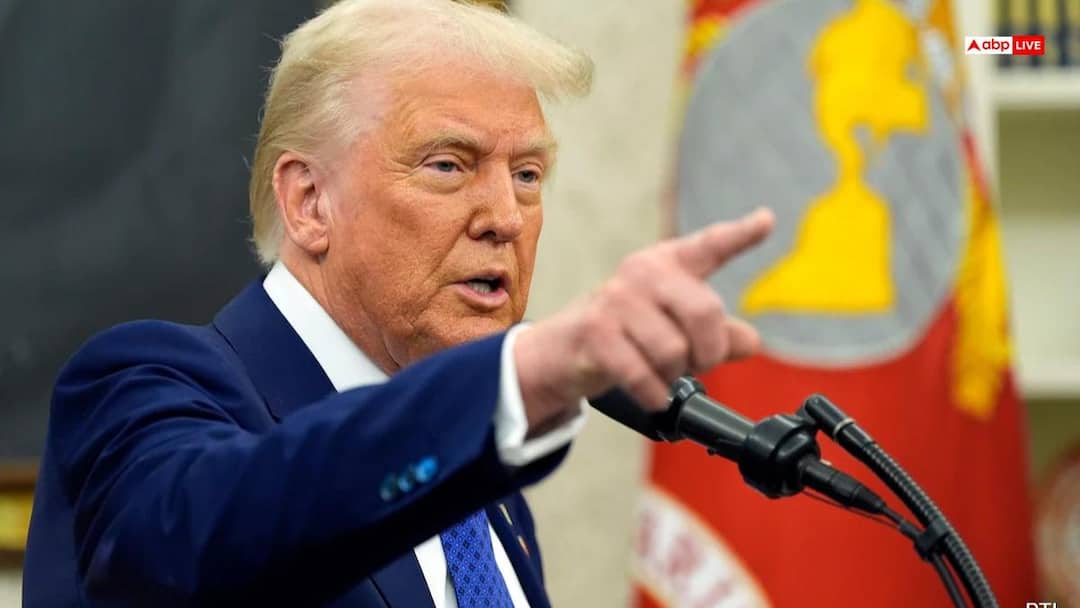
Trump took a tough stance immediately after the Supreme Court order. According to reports, in a private meeting with governors, he described the decision as ‘shameful’ and said ‘something has to be done about these courts.’
In a statement, he said he could impose a total trade freeze or embargo, but could not impose a $1 tariff – a situation he described as a “strange situation.” These statements of his indicate that he is preparing to challenge the decision of the judiciary or adopt other legal avenues.
New bet: Announcement of 10 percent global tariff
Immediately after the court’s decision, Trump took a new step and announced the imposition of 10 percent tariff globally. This is being said to be a step to replace the earlier tariff. He made it clear that the administration will use other legal provisions and will not back down on trade policy. According to him, tariffs strengthen American investment and employment.
States and companies got relief
The court’s decision is being considered a major victory for those American states and businessmen who had argued that the sudden increase in import duties increased production costs and put the burden of inflation on consumers. Now after this decision, the way for possible refund of billions of dollars can be opened. However, Trump has indicated that the matter may remain entangled in the legal process further.
Political heat increased in the election year
Trump has been calling tariffs the cornerstone of his economic policy. He kept claiming in election rallies that these steps would increase jobs and strengthen American industry, but the Supreme Court’s decision has created uncertainty over his business strategy in the election year. Now the focus will be on what alternative legal measures the administration adopts and whether this conflict takes the form of a major constitutional conflict between the executive and the judiciary. At present, it is certain that the political and legal war regarding tariffs in America has not stopped yet.