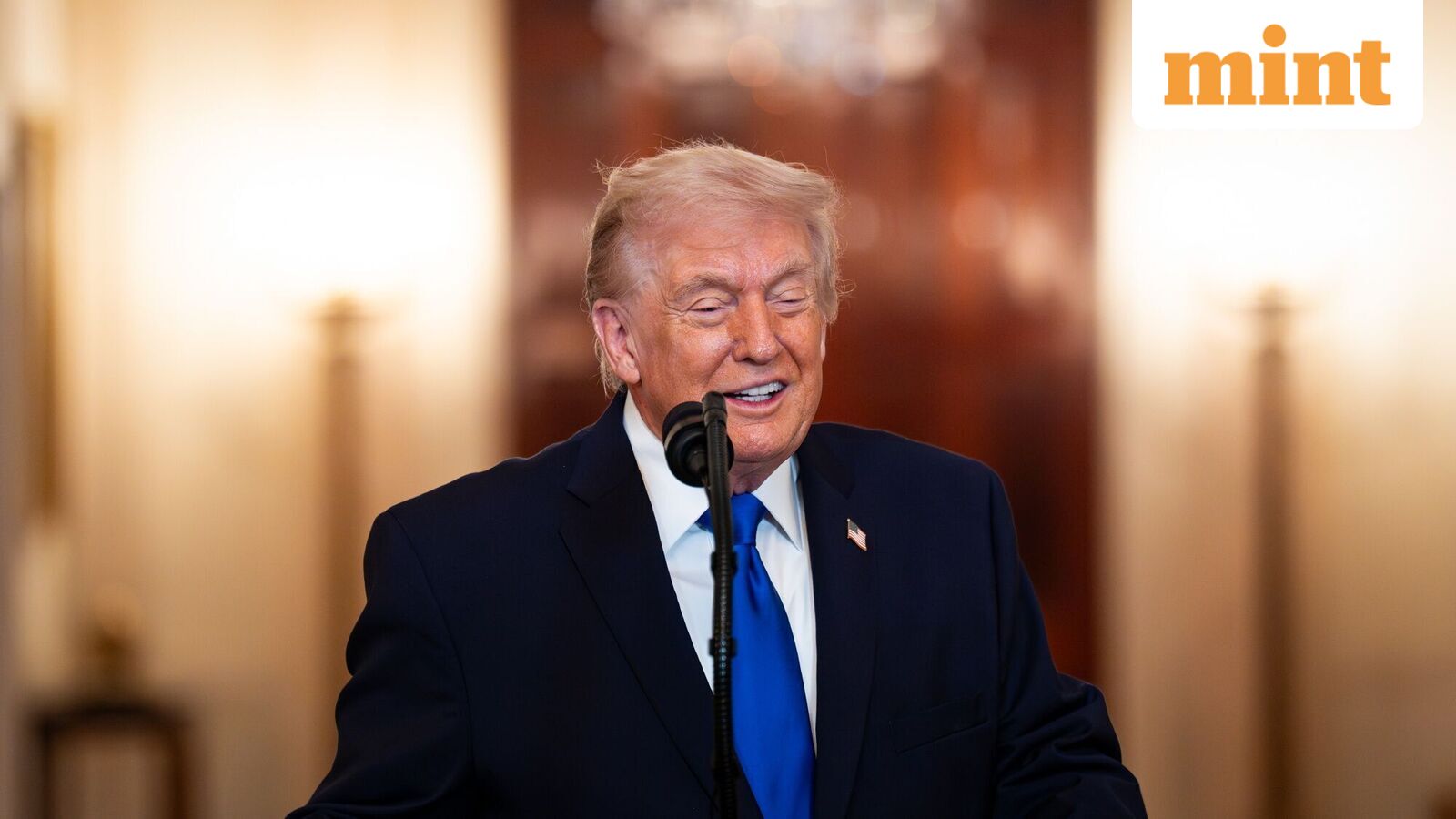
Donald Trump’s deliberations over whether to authorize airstrikes against Iran are being shaped decisively by the counsel of his special envoys, Steve Witkoff and Jared Kushner, as Washington awaits Tehran’s latest proposal on curbing its nuclear programme. According to a guardian The report citing individuals familiar with internal discussions, the president has yet to make a final determination, with a high-stakes round of negotiations scheduled for Thursday in Geneva.
High-Stakes Geneva Talks to Shape Trump’s Iran Calculus
The upcoming talks, described by US officials as a last-ditch diplomatic effort, will be led by Witkoff and Kushner. Their assessment of whether Iran is negotiating in good faith — or merely stalling — is expected to weigh heavily on Trump’s ultimate decision.
The administration anticipates receiving Iran’s updated proposal this week. Officials have indicated that if diplomacy collapses, Trump is contemplating a graduated response: limited airstrikes designed to coerce Tehran back to the table, and, failing that, a significantly broader military campaign aimed at destabilizing the ruling clerical establishment.
A US official confirmed on Monday that Steve Witkoff has participated in all key meetings related to Iran and remains central to the advisory group shaping the president’s options.
Internal Deliberations: Military Options and Strategic Risk
Trump has received multiple briefings on military contingencies, including a session on Wednesday in the White House Situation Room. He has also canvassed opinion across the West Wing in recent weeks.
Senior advisors involved in the deliberations include vice-president JD Vance; secretary of state Marco Rubio; CIA director John Ratcliffe; defense secretary Pete Hegseth; General Dan Caine, chair of the joint chiefs of staff; White House chief of staff Susie Wiles; and director of national intelligence Tulsi Gabbard.
Vance has reportedly articulated arguments both for and against airstrikes, pressing General Caine on operational risks. Caine’s primary concern centers on the limited stockpile of anti-missile systems. During last year’s US strikes on Iranian nuclear enrichment facilities, Washington deployed 30 Patriot missiles to intercept retaliatory fire — the largest single use of the system in American history.
Iran’s response at the time was measured. This time, however, Tehran has pledged maximum retaliation. Its supreme leader, Ayatollah Ali Khamenei, warned recently of the capacity to sink a US warship in the event of further aggression.
While Caine has reportedly voiced sharper reservations within Pentagon discussions, the White House has dismissed suggestions of internal dissent. In a statement, spokesperson Anna Kelly said Caine is “a highly respected professional whose job requires providing unbiased information to the Commander in Chief, which he does perfectly”, adding that he has not offered personal views on the matter.
Diplomatic Off-Ramps Under Consideration
Despite the military build-up, the administration is exploring avenues to avert open conflict. One proposal under discussion would permit Iran to maintain limited nuclear enrichment strictly for medical research, treatment, or civilian energy purposes.
Rubio is expected to travel to Israel on February 28 to brief Benjamin Netanyahu on the outcome of negotiations, according to individuals familiar with the plans.
Yet positions appear to be hardening on both sides. Witkoff stated on Fox News that Trump’s directive was to ensure Iran retains zero enrichment capability. Iran’s foreign minister, Abbas Araghchi, responded on CBS’s Face the Nation that Tehran is not prepared to relinquish enrichment rights.
Largest US Military Build-Up Since 2003 Iraq Invasion
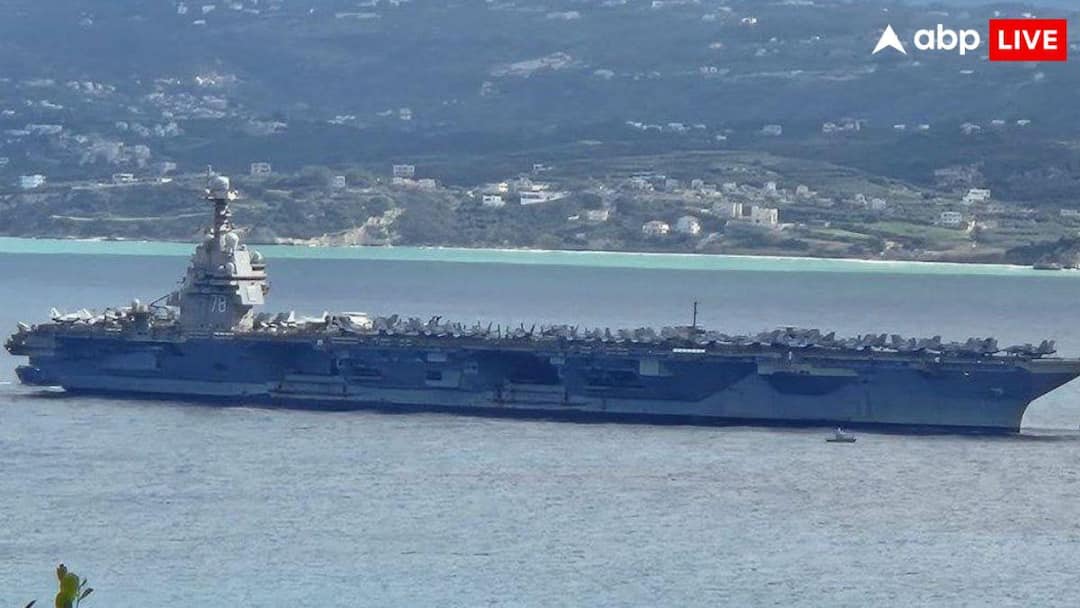
As diplomatic prospects dim, Washington has assembled its most substantial concentration of air power in the Middle East since the 2003 invasion of Iraq. The USS Gerald Ford, the navy’s most advanced aircraft carrier, is expected to arrive in the region within days, joining an additional carrier group.
The deployment includes dozens of F-35 and F-22 fighter jets, alongside bombers and aerial refueling aircraft. The expanded presence would enable a sustained air campaign rather than a limited operation akin to last summer’s strikes, when B-2 bombers flew from the United States to target enrichment sites at Fordow, Isfahan and Natanz.
Trump Pushes Back on Reports of Pentagon Dissent
Amid mounting speculation of divisions within his national security team, Donald Trump moved to quash suggestions that General Daniel Caine opposes potential military action against Iran.
Posting on Truth Social, Trump dismissed reports that Caine — sometimes referred to by the nickname “Razin” — had expressed reservations about striking Tehran. He characterized the claims as baseless and accused unnamed media outlets of circulating anonymous assertions without evidence.
Trump stated that while Caine, like others in the administration, would prefer to avoid war, the general believes that if military action were authorized it would be “something easily won”. He emphasized Caine’s familiarity with Iran, noting his leadership of “Midnight Hammer”, the previous US operation targeting Iranian nuclear infrastructure. According to Trump, that campaign had decisively crippled Tehran’s nuclear development capabilities through strikes conducted by B-2 bombers.
Seeking to project unity within the defense establishment, Trump described Caine as a formidable military leader who represents what he called “the Most Powerful Military anywhere in the World”. He insisted the general had not argued against action, nor endorsed limited strikes as a compromise option, rejecting such portrayals as fabrications.
Reasserting his own authority, Trump underlined that the ultimate decision rests with him alone. He reiterated a preference for a negotiated settlement but warned that failure to secure a deal would have severe consequences for Iran. While sharply critical of the country’s leadership, he added that its people are “great and wonderful” and suggested they should not bear the cost of a diplomatic breakdown.
The statement appeared designed to steady perceptions of internal coherence at a moment when Washington’s military posture in the Middle East is intensifying and negotiations with Tehran approach a decisive juncture.