

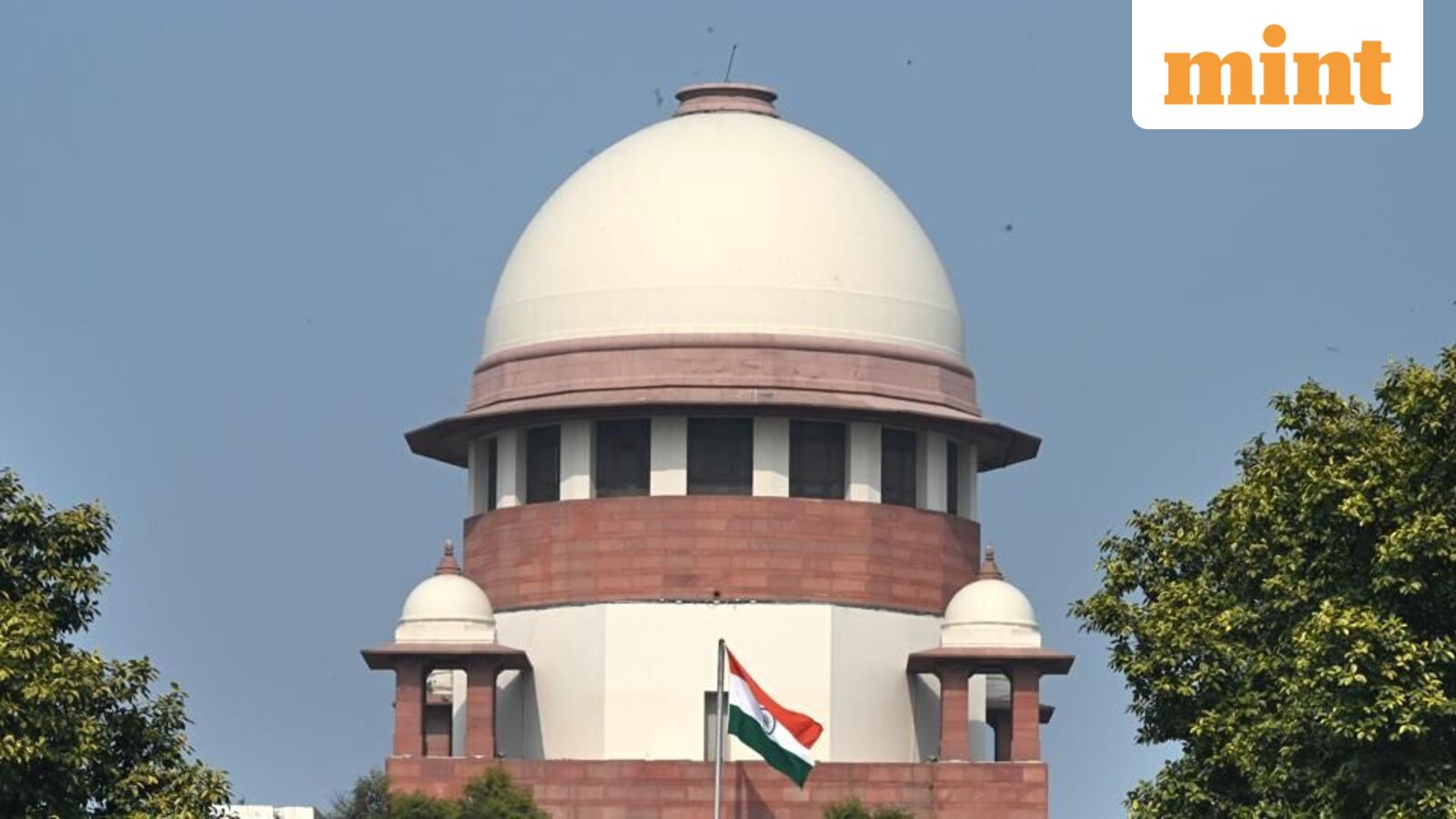
The Supreme Court on Thursday, February 26, has issues notices to the Central government and the Election Commission of India (ECI) regarding a plea seeking ceiling on the expenditure by political parties during elections.
A bench comprising Chief Justice Surya Kant and Justices Joymalya Bagchi and Vipul M Pancholi issued notices to the Center and the poll body, seeking their responses. The bench said, “Issue notice, returnable on April 27.”
Justice Joymalya Bagchi had also questioned the effectiveness of regulatory measures on election expenditure when a friend of the candidate supports it, citing constitutional right to freedom of expression against restrictions.
The judge said, “You see the US elections…there are limits to spending by party in the friends of candidate A…let’s say an Indian American PAC will fund you, where is the limit? Your political party may be barred, but friends of Mr Bhushan, they will fund…say we put the embargo that no funding beyond X limit…You will come before us, say Article 19(1)(a) – freedom of expression through material support. How will we control that?” reported LiveLaw.
What did the plea say?
The plea said the absence of any expenditure limit on political parties, despite strict limits on individual candidates under section 77(1) of the Representation of the People Act, 1951, creates an “unlevel playing field” in electoral contests, violating the right to equality under Article 14 of the Constitution.
“Explanation 1(a) to Section 77(1) of the Representation of the People Act, 1951 creates a legal fiction by excluding from account the massive expenditure incurred by political parties in connection with the election of a candidate, even when the expenses serve the same electoral purpose,” it said.
The plea mentioned that Section 77(1) of the Act introduced limits on the expenditure incurred by individual candidates during elections.
It also sought a direction to declare Explanation 1(a) to Section 77(1) of the Act as unconstitutional, being violative of Articles 14 and 19(1)(a) of the Constitution. It said that a system free of corruption is one of the important aspects of a free and a fair election.
“This court has time and again held that democracy, free and fair elections and the Rule of Law are basic features of the Constitution, meaning thereby that they cannot be dispensed with even by way of a constitutional amendment,” it said.
“The Supreme Court, while highlighting the role of money power in elections and electioneering, has consistently observed that elections today are increasingly being contested on the strength of money power often received from illegal sources having vested interest, thereby undermining the fairness of the electoral process itself,” the plea said.

