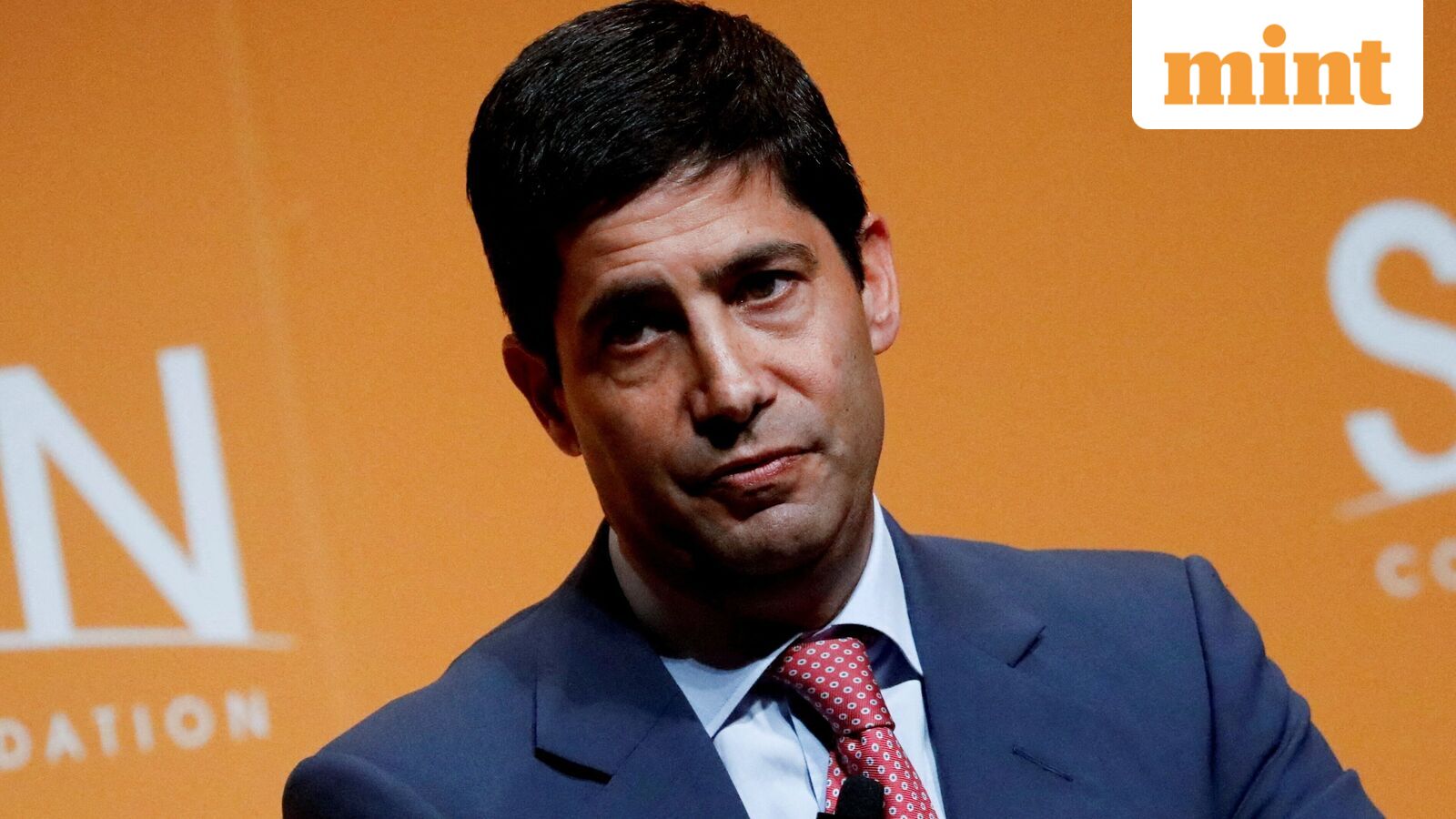
US President Donald Trump on Wednesday (March 4) formally submitted to the Senate the nomination of former Federal Reserve governor Kevin Warsh to serve as the next chair of the US central bank to succeed Jerome Powell.
According to the White House noticeWarsh would serve a four-year term beginning February 1. The nomination now moves to the Senate for consideration.
If confirmed, Warsh would take charge of monetary policy decisions at a critical time for inflation management, interest rates, and financial stability.
Next step: Senate Banking Committee hearing
The next procedural step is a public hearing before the Senate Banking Committee, where lawmakers will question the nominee on economic policy, regulatory priorities, and the future direction of the Federal Reserve.
Following the hearing, the committee will vote on whether to advance the nomination to the full Senate for confirmation.
Tillis signals opposition
The nomination of Kevin Warsh to lead the Federal Reserve is facing uncertainty in the Senate, with Republican Senator Thom Tillis indicating he will block the confirmation process while a Justice Department investigation into Fed Chair Jerome Powell remains open.
The delay comes more than a month after President Donald Trump publicly announced Warsh as his choice to succeed Powell.
Tillis threatens to block committee vote
Tillis, a member of the Senate Banking Committee, has said he will not support advancing any Federal Reserve nomination until the investigation into Powell is resolved.
He has described the probe as frivolous and characterized it as political pressure. Without Tillis’ backing, the committee’s slim Republican majority would be unable to move the nomination forward if Democrats oppose it unanimously.
This creates a significant procedural hurdle before the nomination can reach the full Senate for a vote.
Powell investigation
Powell disclosed in January that the Department of Justice had opened an investigation related to his congressional testimony concerning Federal Reserve building renovations.
The Fed has reportedly challenged subpoenas tied to the inquiry and has sought to have them quashed, according to media reports.
The situation has intensified debate over potential political influence on the central bank and its leadership process.
Timeline pressure builds
Powell’s term as chair ends on May 15, leaving just weeks for confirmation proceedings before a leadership transition is required.
While the Senate has acted quickly on some recent nominations, prolonged delays could create uncertainty for the Federal Reserve ahead of its next policy meeting, when interest rate discussions may become more active.
Market participants are closely monitoring developments amid expectations of renewed debate over monetary policy direction.
If confirmed, Warsh would assume leadership of the central bank at a sensitive moment, requiring him to guide a divided Federal Open Market Committee.