

Nepal Elections Today: Nepal will vote today in crucial general elections, the first since a violent Gen Z-led protest toppled the KP Sharma Oli-led government last year.
As many as 1.9 Crore Nepalese are eligible to exercise their franchise to elect the 275-member House of Representatives from among the 3,406 candidates vying for 165 seats under direct voting and 3,135 candidates vying for 110 seats through proportional voting.
Acting Election Commissioner Ram Prasad Bhandari said all preparations for the election have been completed and urged voters to participate actively and enthusiastically in the democratic exercise.
What time is voting taking place?
The voting will start at 7 AM (Local time) today and conclude at 5 PM. Counting will begin immediately after the ballot boxes are collected. Nepal time is 15 minutes ahead of India.
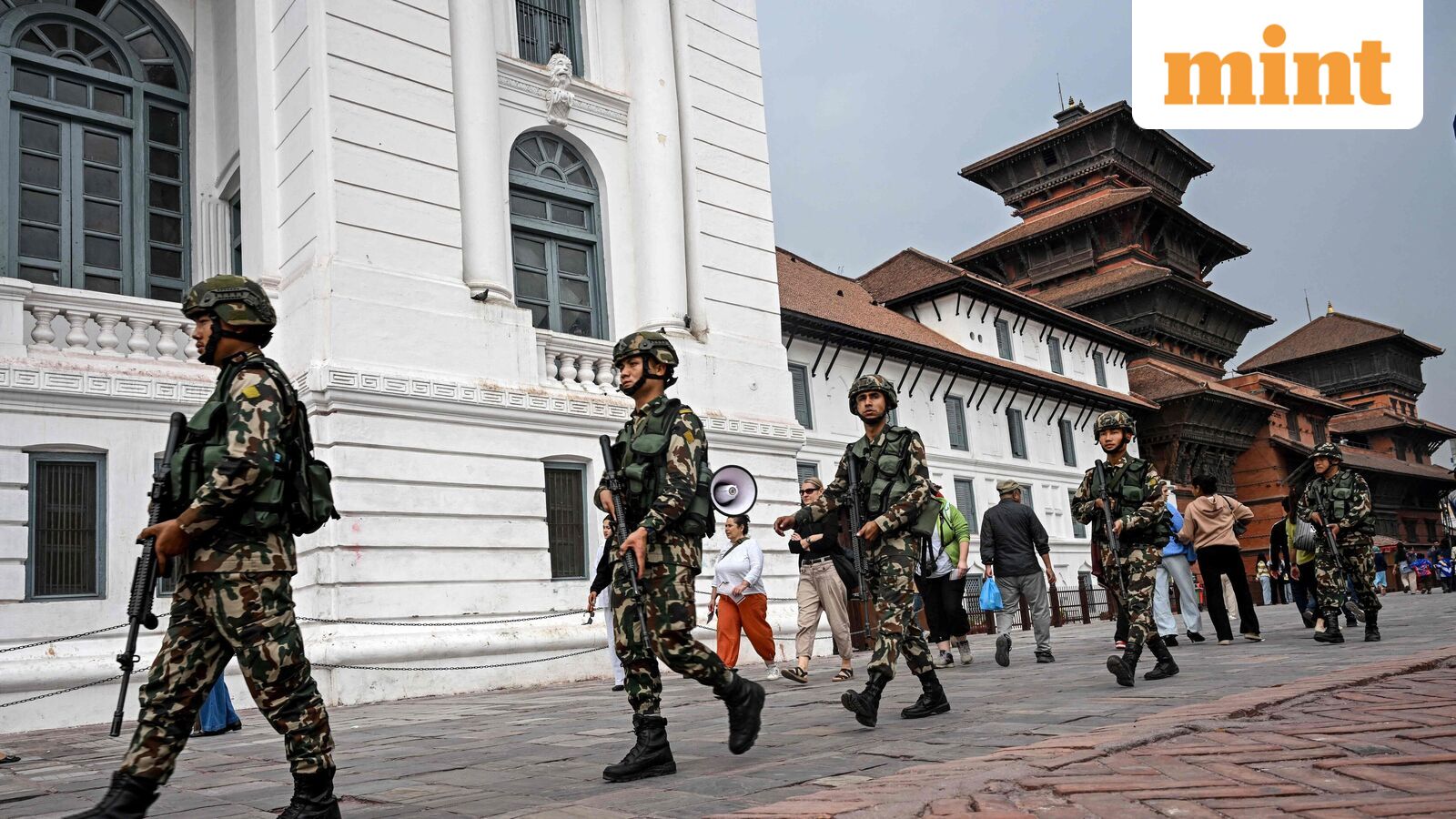
Bhandari said foolproof security arrangements have been put in place, with the deployment of more than 300,000 security personnel under an integrated security plan coordinated with the Nepal Army.
Bhandari expressed confidence that voters would exercise their franchise in large numbers.
“This time the voting percentage will increase, and the percentage of invalid ballot papers will also decline due to improved voter education launched by the commission,” he said.
When are the results expected?
The results under the direct voting or first-past-the-post system are expected within 24 hours of the commencement of counting, Bhandari said.
Counting the results of the proportional representation vote, which determines winners in 110 seats, could take another 2 to 3 days. In Nepal’s 2022 election, it took more than two weeks for the final results to be released.
The Gen Z youth, through their two-day intensified protests on September 8 and 9, ousted Prime Minister Oli, chair of the Communist Party of Nepal (Unified Marxist–Leninist) – CPN-UML – who was heading a coalition government with the backing of the Nepali Congress, which enjoyed nearly two-thirds of the seats.
After Oli’s ouster, President Ramchandra Paudel dissolved the House of Representatives on 12 September and appointed Sushila Karki as the caretaker PM.
What are the issues in this election?
The major issues raised by Gen Z are anti-corruption, good governance, an end to nepotism, generational change in political leadership, etc.
The CPN-UML, led by Oli, has emerged as the hardliner force. Though the Prachanda-led NCP claims to have addressed the issues raised by Gen Z, it has not handed over the party leadership to the younger generation.
Rastriya Swotantra Party (RSP), led by its chair Ravi Lamichhane and senior leader Balendra Shah, and the reformed Nepali Congress, led by Gagan Thapa, are voicing the issues raised by the Gen Z, while CPN-UML and Nepali Communist Party, led by ‘Prachanda’, are known as the traditional forces.
Ujyalo Nepal Party, led by Kulman Ghising, and Shram Shakti Party, led by former Dharan Mayor Harka Sampang, are also emerging forces but enjoy support in only limited pockets.
“Nepal’s politics is sharply divided between those who want change and those who want to maintain the status quo, those who support the concerns raised by the Gen Z youth and the traditional political forces that do not prefer change,” said a leader from the Gen Z group.
RSP has projected former Kathmandu Mayor Balen, 35, as its prime ministerial candidate, while Nepali Congress has projected 49-year-old Thapa for the top post. CPN-UML has projected Oli, 75, as its PM face. Kathmandu’s Balen has chosen Jhapa-5 as his constituency for the 5 March election, giving Oli, who has won the seat 6 times in the past, a tough fight.
Thapa, originally from Kathmandu, has also chosen Dhanusha-4 in Nepal’s southern plains to create an election wave.
Balen’s growing popularity
With Balen’s growing popularity in Jhapa-5, Oli has been confined to his own constituency during the election campaign to secure his position, rather than campaigning in other constituencies across the country for other party candidates.
Gagan Thapa of the Nepali Congress had a good show during his election campaign across various parts of the country, particularly in southern Nepal.
Earlier in the day, Home Minister Om Prakash Aryal appealed to all the voters to exercise their voting rights without worrying.
“The government has arranged foolproof security during the election, which will be conducted in a free, fair and fearless environment, thus I call upon voters to go for voting without any worry,” he said while talking to reporters.
Starting Wednesday, Nepal has declared a three-day holiday for the polls.
There are a total of 10,967 polling booths and 23,112 polling centres, according to Election Commission data. As many as 65 political parties are taking part in the election.

