

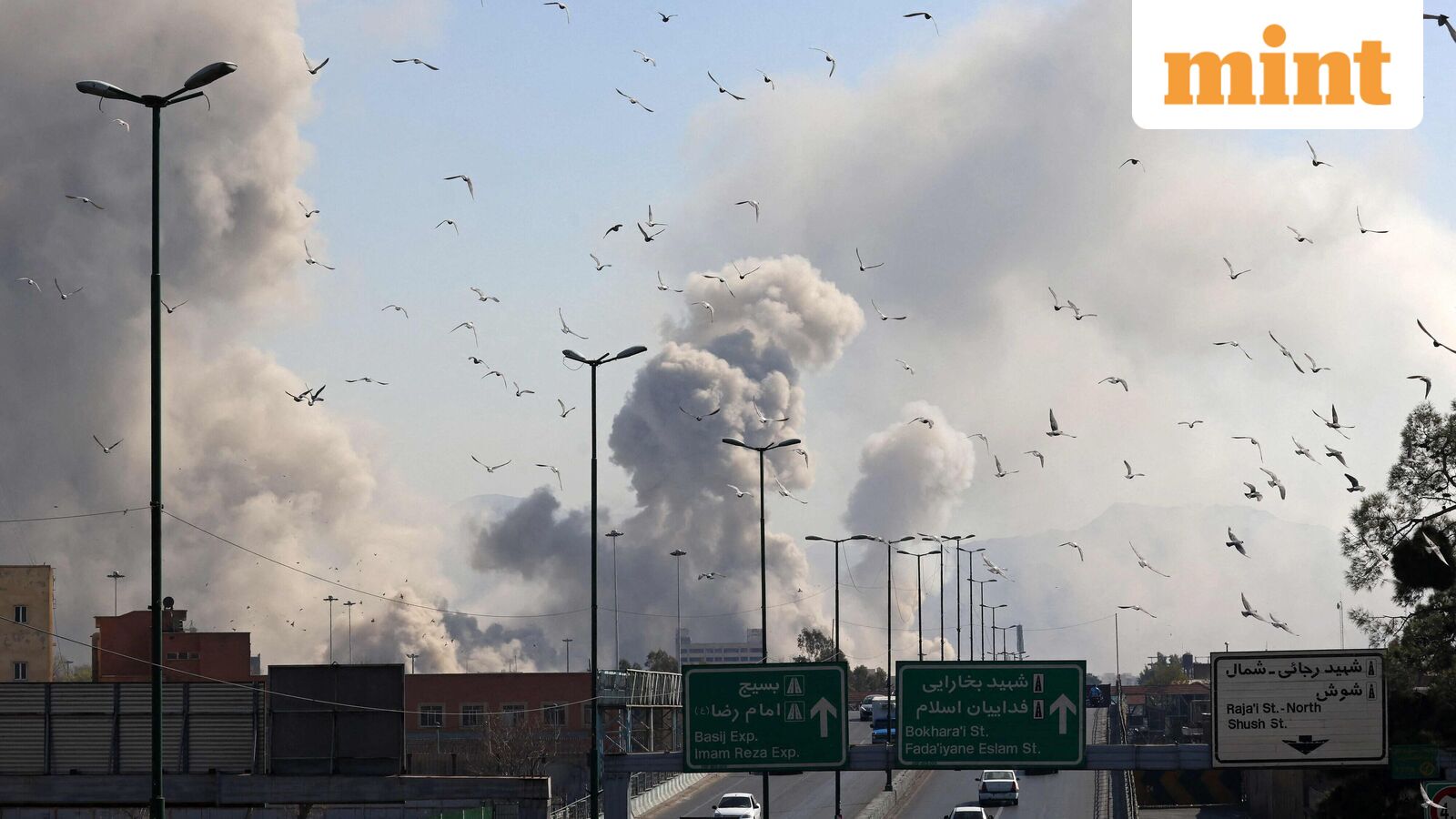
The regional government of the semi-autonomous region of Kurdistan has denied reports of it becoming a part of the US war against Iran.
“Reports that speak about a role of the Kurdistan Region and the allegations claiming that we are part of a plan to arm and send Kurdish opposition parties into Iranian territory are completely unfounded. We categorically deny them and affirm that they are being published deliberately and maliciously,” Peshawa Hawramani, Spokesperson of the Kurdistan Region Government, said in a post on X.
Hawramani also condemned the ongoing attacks by Iran in Kurdistan, targeting Iranian and Iraqi Kurdish armed groups.
“We strongly condemn the cowardly attacks targeting the Kurdistan Region, and we call on the federal government and the international community to intervene to stop these assaults and protect our land, our people, and our region,” he said.
The comments come as various media reports said that the US was working closely with Kurdish forces in Iraq to launch a ground operation inside Iran.
Who are Kurds?
Kurds are a large stateless ethnic group of nearly 30 million people living across the Kurdistan region, spread across Turkey, Iraq, Iran and Syria.
In Iraq and Syria, the Kurds have enjoyed semi-autonomy for years. For decades, Kurdish separatist groups have also waged insurgency campaigns seeking to establish their own nation called Kurdistan.
Kurds vs Iran
They have a long history of grievances and rebellions against both the current Islamic Republic and the monarchy that preceded it.
Currently, a group of six Iranian Kurdish groups has formed a coalition dedicated to overthrowing the Islamic Republic and establishing the Kurdish people’s right to self-determination.
“For the first time, all major Kurdish parties have come together as one in a new coalition — a historic step toward shaping a new future for Kurds and a democratic Iran,” said Abdullah Mohtadi, secretary general of the Komala Party of Iranian Kurdistan.
Kurds as US allies
The Kurds have a long history of working with the US, including in Syria and Iraq until recently, during the campaign against the Islamic State.
The Syrian Democratic Forces (SDF) was a coalition of mostly Kurdish militant groups that were funded and trained by the US to fight IS.
Kurdish fighters at Iran-Iraq border
According to The Associated Pressthousands of battle-hardened Kurds in northern Iraq are preparing for a potential cross-border military operation in Iran with US backing.
Kurdish officials told AP that US President Donald Trump and the heads of the two main Kurdish parties in Iraq discussed the situation on Sunday.
Khalil Nadiri, an official with the Kurdistan Freedom Party based in northern Iraq’s semiautonomous Kurdish region, said Wednesday that some of their forces had moved to areas near the Iranian border in Sulaymaniyah province and were on standby.
US plan to use Kurdish fighters
On the possibility of the Iranian Kurdish forces entering Iran, Trump told reuters on Thursday: “I think it’s wonderful that they want to do that, I’d be all for it.”
According to US media reports, the CIA was working to arm Kurdish forces with the aim of fomenting a popular uprising in Iran. Reports also claimed that at least some Kurdish fighters may have already entered Iran.
Iranian response
Iran has also responded to the threat posed by Kurdish groups in Iraq by launching missiles into the semi-autonomous region of Kurdistan.
Key Takeaways
- The Kurdistan government has denied allegations of involvement in a US-led military operation against Iran.
- Tensions are escalating as Iranian forces target Kurdish groups with missile strikes.
- Kurdish factions are uniting for the first time in a coalition aimed at self-determination, signaling a significant political shift.
