

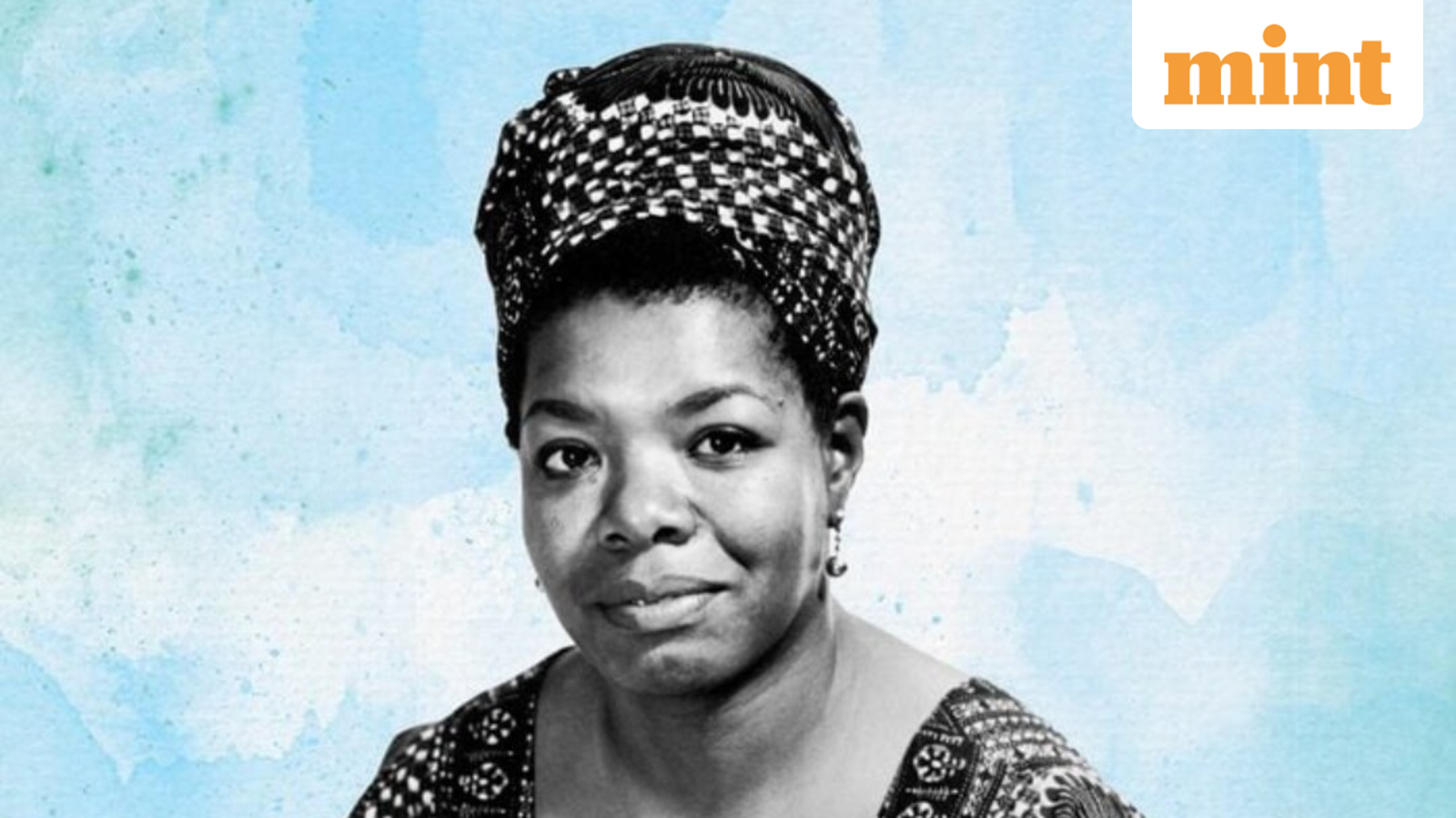
“Each time a woman stands up for herself, without knowing it possibly, without claiming it, she stands up for all women.” — Maya Angelou.
The words, widely shared in discussions about women’s empowerment and equality, continue to resonate across generations. Angelou, an acclaimed American poet, memoirist and civil rights activist, was known for her ability to capture complex social struggles in simple but powerful language.
Even decades after she first wrote and spoke about issues affecting women and marginalized communities, many of her quotes remain widely used during events such as International Women’s Day and in campaigns supporting gender equality.
What does the quote mean?
At its heart, Angelou’s statement highlights the ripple effect of courage. The idea is simple: when a woman defends her rights or refuses unfair treatment, it does not only benefit her alone. Her actions can influence others, challenge long-standing stereotypes and encourage more women to speak up.
In everyday life, standing up for oneself may look small — asking for equal pay, rejecting disrespectful behavior, or speaking honestly in a professional setting. But these personal moments of courage can help attitude shifts in society.
Angelou’s quote reminds readers that individual acts of confidence contribute to broader change. When women support themselves and one another, barriers that once seemed fixed can slowly begin to break down.
Why did Maya Angelou say this?
Angelou’s life experience explains why the message behind the quote is so powerful. Born in 1928 in the United States, she grew up during a period of deep racial segregation and discrimination. Throughout her career she used poetry, essays and speeches to address racism, gender inequality and human dignity.
Her writing often celebrated resilience and self-respect, themes that appear strongly in famous works such as Still I Rise and Phenomenal Woman. These works encouraged people — especially women and Black Americans — to recognize their own worth and strength.
Because of this background, Angelou’s words about women standing up for themselves were not simply motivational phrases. They reflected a belief shaped by lived experience: progress often begins with ordinary people choosing courage over silence.
Today, the quote continues to circulate widely online, in classrooms and in social movements. For many readers, it serves as a reminder that even a quiet act of self-respect can help change the world for others.

