

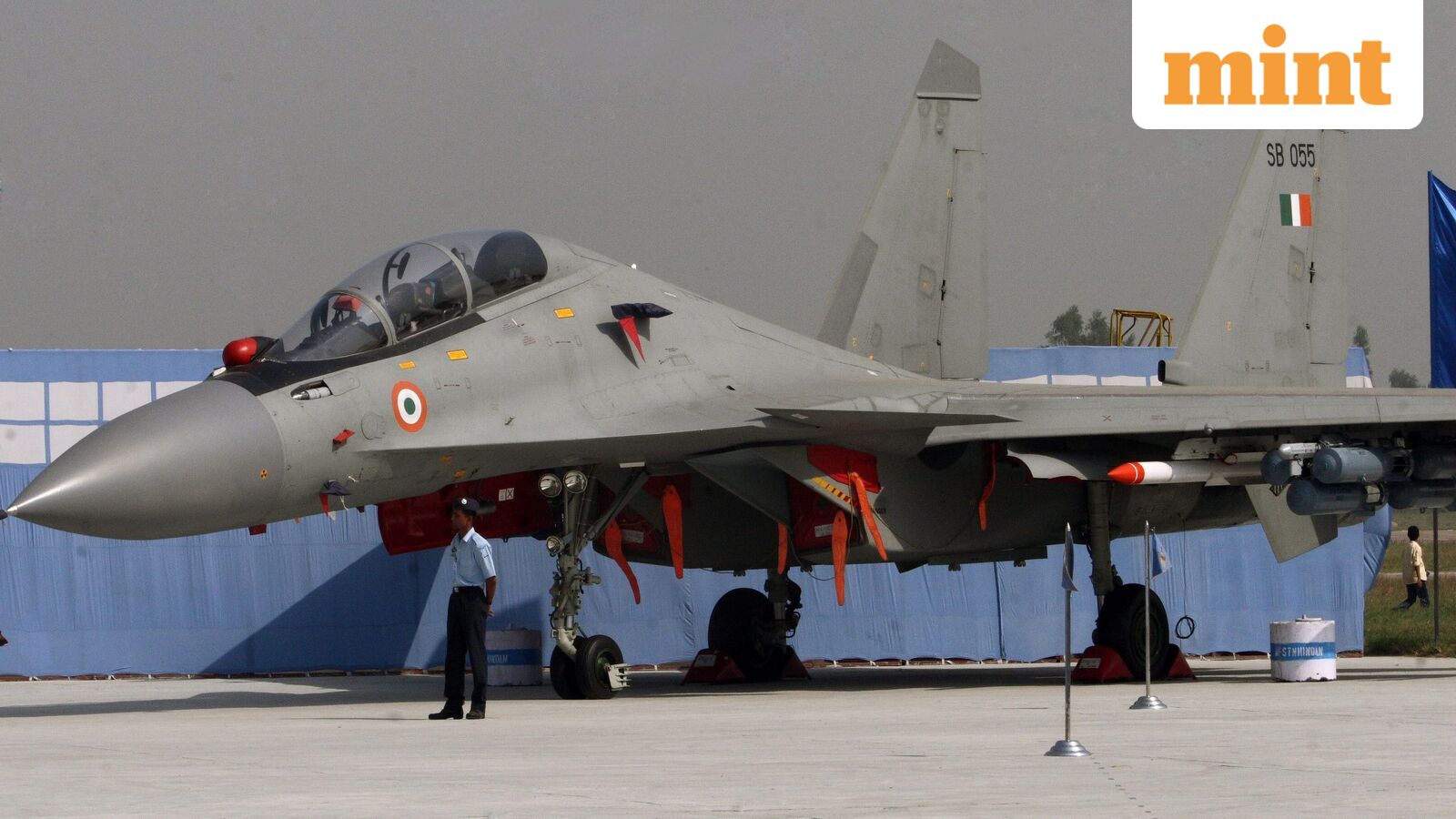
India continued to rank as the world’s second-largest importer of major arms between 2021 and 2025, even as the country reduced its reliance on foreign weapons amid efforts to strengthen domestic defense production, according to a new report by the Stockholm International Peace Research Institute (SIPRI).
The study highlights shifting military procurement patterns across South Asia, with Pakistan increasingly dependent on Chinese weaponry while India balances imports with an expanding domestic defense industry.
India remains the world’s second-largest arms importer
According to SIPRI, India accounted for 8.2 per cent of total global arms imports between 2021 and 2025, making it the second-largest importer of major weapons systems worldwide during the period.
The report attributes India’s procurement levels largely to its strategic environment and security challenges.
“India was the world’s second largest recipient of major arms in 2021-25 with an 8.2 per cent share of total global arms imports. Its arms imports are driven by its tensions with both China and Pakistan. These tensions have regularly led to armed conflict, as they did briefly between India and Pakistan in May 2025, with both sides using imported major arms,” the SIPRI report said.
Despite remaining a leading importer, India’s purchases declined slightly compared with the previous five-year period.
“Indian arms imports fell by 4.0 per cent between 2016-20 and 2021-25. The decrease can be partly attributed to India’s growing ability to design and produce its own weapons–although there are often substantial delays in domestic production,” the report stated.
India diversifies suppliers, reduces dependence on Russia
The report points to a notable shift in India’s defense procurement strategy over the past decade. Historically reliant on Russian equipment, India has increasingly sourced weapons from Western partners including France, Israel and the United States.
SIPRI data shows Russia’s share of Indian arms imports steadily declining.
“Russia’s share of Indian arms imports dropped from 70 per cent in 2011-15 to 51 per cent in 2016-20 and then to 40 per cent in 2021-25,” the report noted.
Even as India seeks to boost domestic manufacturing, the country continues to rely on overseas suppliers for several high-end defense systems.
“India’s recent orders or planned orders–including up to 140 combat aircraft from France and six submarines from Germany–indicate its continued and probably increasing reliance on foreign suppliers,” the report said.
Pakistan’s growing reliance on Chinese weapons
While India remains a major importer, Pakistan’s defense supply chain has become increasingly concentrated around China.
The report finds that around 80 per cent of Pakistan’s arms imports between 2021 and 2025 originated from China, up from 73 per cent during the 2016–2020 period.
Pakistan also rose in the global rankings of arms importers, becoming the fifth-largest recipient of major weapons worldwide, compared with tenth place in the previous five-year cycle.
According to SIPRI, Pakistan’s arms imports increased by 66 per cent between the two periods and accounted for 4.2 per cent of global imports.
China’s export relationship with Pakistan is equally significant for Beijing’s defense industry.
Although China exported arms to 47 countries during the period, 61 per cent of its total arms exports were delivered to Pakistan, the report said.
Regional tensions shaping defense spending
SIPRI researchers note that geopolitical tensions, particularly involving China, continue to shape military procurement patterns across Asia.
Siemon Wezeman, senior researcher with the SIPRI Arms Transfers Programme, said security concerns remain a driving factor behind defense acquisitions.
“Fears over China’s intentions and its growing military capabilities continue to influence armament efforts in other parts of Asia and Oceania, which often still depend on imported arms,” Wezeman said.
The dynamics are especially evident in South Asia.
“For example, in South Asia, the high volume of arms that India imports is largely due to the perceived threat from China and to India’s long-running conflict with the main recipient of Chinese arms exports, Pakistan. Imported weapons were used in the 2025 clash between India and Pakistan, both nuclear-armed states,” the SIPRI analyst said.
Global arms trade trends
The report also highlights broader shifts in the global arms market between 2021 and 2025.
The United States remained the largest arms exporter, accounting for 42 per cent of global exports, followed by France with 9.8 per cent and Russia with 6.8 per cent.
Russia’s share fell sharply compared with previous years, dropping from 21 per cent in 2016–2020 to 6.8 per cent in 2021–2025, largely due to declining exports to countries such as Algeria, China and Egypt.
Meanwhile, Europe emerged as the largest regional importer of arms for the first time since the 1960s, driven primarily by the war in Ukraine and rising security concerns.
Europe accounted for 33 per cent of global arms imports, followed by Asia and Oceania at 31 per cent and West Asia at 26 per cent, according to the report.
Together, the top five arms importers — Ukraine, India, Saudi Arabia, Qatar and Pakistan — accounted for 35 percent of global imports, underscoring the continuing concentration of defense procurement among a small group of countries.

