“And then one day you find ten years have got behind you. No one told you when to run, you missed the starting gun.”
There are lines in music that stop you cold. This is one of them.
What does this quote mean?
Written by Roger Waters and featured on The Dark Side of the Moon — released in March 1973 and one of the best-selling albums in history — these two lines come from a song called “Time.” They arrive without warning, which is fitting, because that is exactly what they are about.
Waters has said he got the idea for the song when he realized he was no longer preparing for anything in life, but was right in the middle of it — a realization he placed, in various interviews, at around the ages of 28 and 29. It was not a dramatic moment. It was something quieter: the slow understanding that life does not wait for you to feel ready.
The song opens with the sound of clocks — each one recorded separately in an antiques store — all striking at once. From the very first second, time is everywhere. What follows is a portrait of ordinary life lived too passively. The lyrics reflect on missed opportunities and the tendency many have to wait for the right moment that may never come.
What is the relevance of this quote?
Youth gives most people the comfortable idea that there is always more time ahead — that they can begin properly, soon, when everything feels right.
And then, one day, it is not ahead of them any more.
The lines quoted here are the point where the song shifts. The image of a starting gun is a direct one. It suggests that most people assume they will recognize the moment life begins in earnest, that there will be some clear signal. Waters are saying there will not. Life starts without ceremony. If you are not paying attention, it is well ahead of you before you have noticed.
More about Pink Floyd
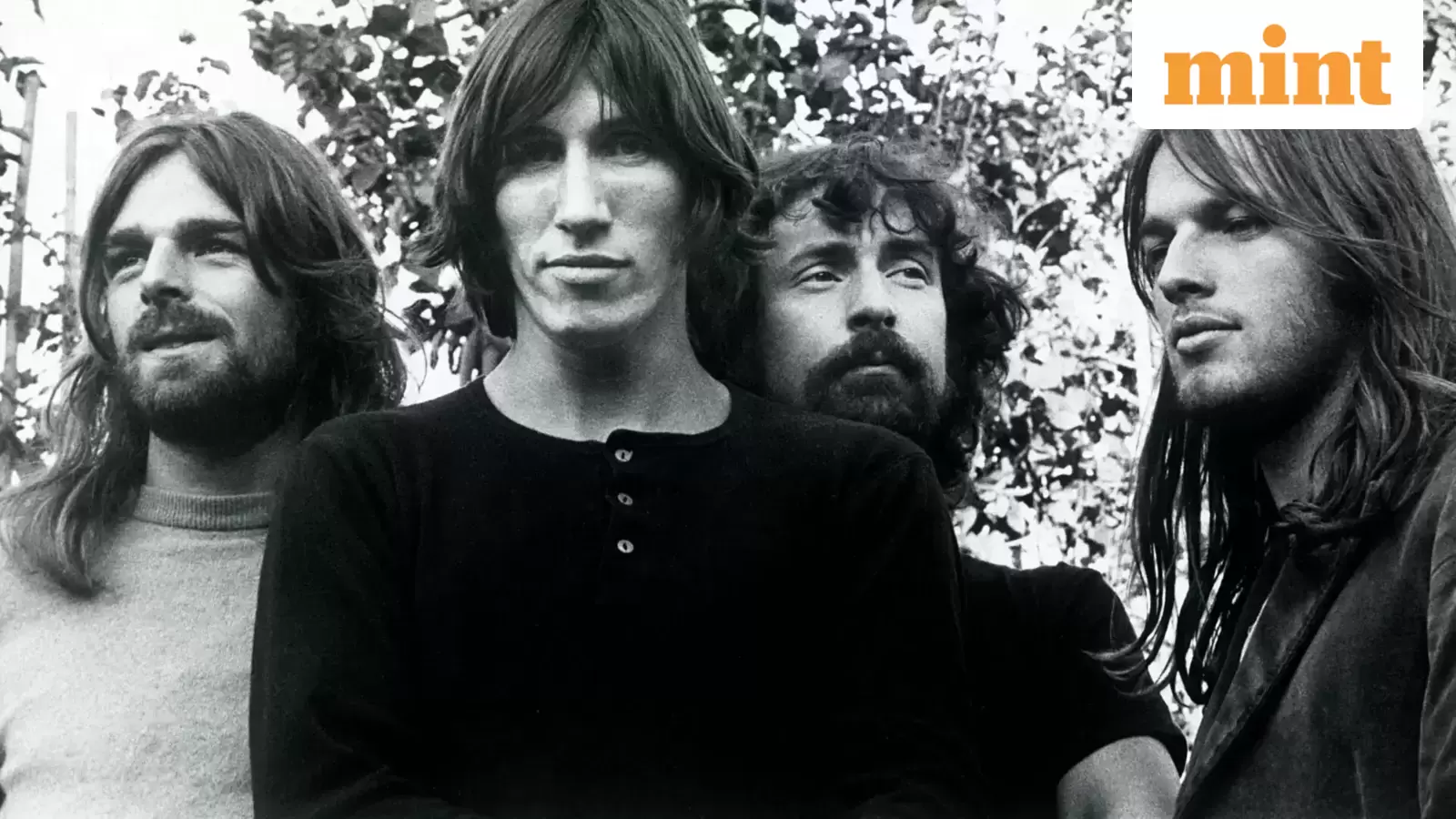
Pink Floyd were formed in London in 1965 by Syd Barrett, Nick Mason, Roger Waters and Richard Wright, with David Gilmour joining at the end of 1967. Wikipedia They became known for their extended compositions, sonic experiments, philosophical lyrics, and elaborate live shows, and grew into one of the leading progressive rock bands in the world.
By the time The Dark Side of the Moon was recorded, the band had already been through considerable difficulty. Their original frontman Syd Barrett had struggled with deteriorating mental health and left the group in 1968, a loss that shaped much of what the band produced in the years that followed. Waters, who wrote all the lyrics on the album, had become the band’s main thinker — the one pushing hardest toward questions about regret, mortality and the cost of drifting through life without purpose.
Musically, the track reflects its subject: it moves from a slow, reflective opening into an urgent guitar solo by David Gilmour, underlining the sense that time, once recognized as finite, suddenly feels like it is running out.
More than fifty years on, the words have not aged. If anything, in a time when distraction is easier than ever and days can disappear without much to show for them, the point Waters was making at 29 feels more relevant, not less.
The starting gun has already fired. The question is what you plan to do about it.