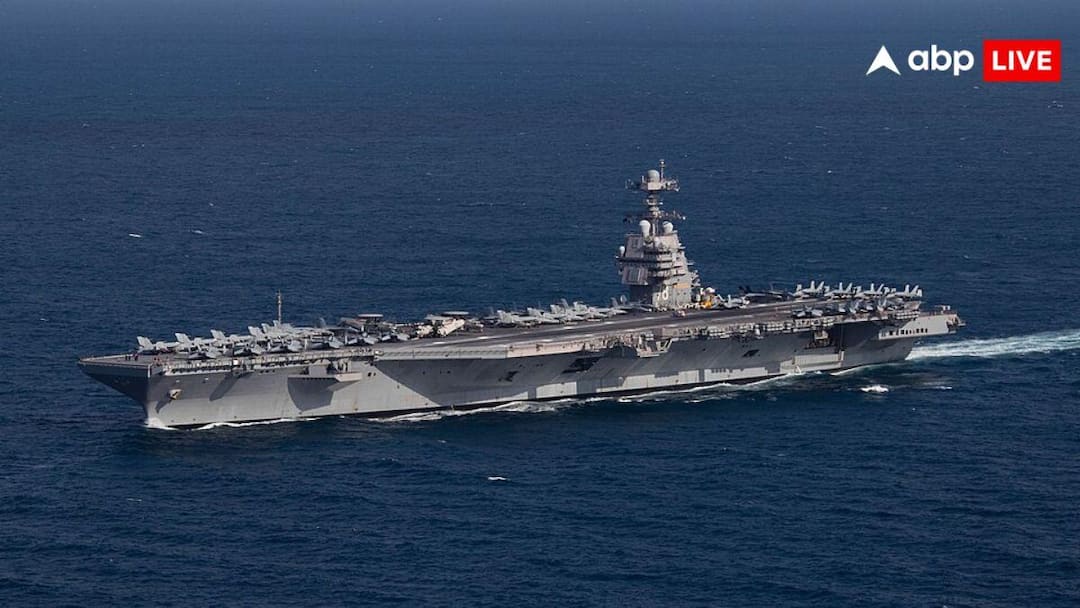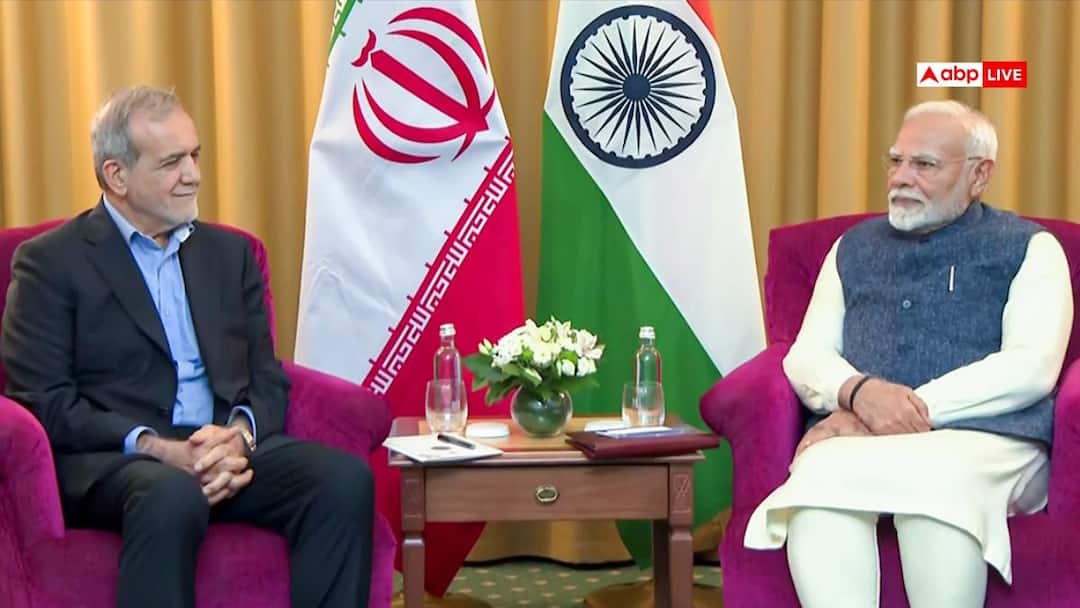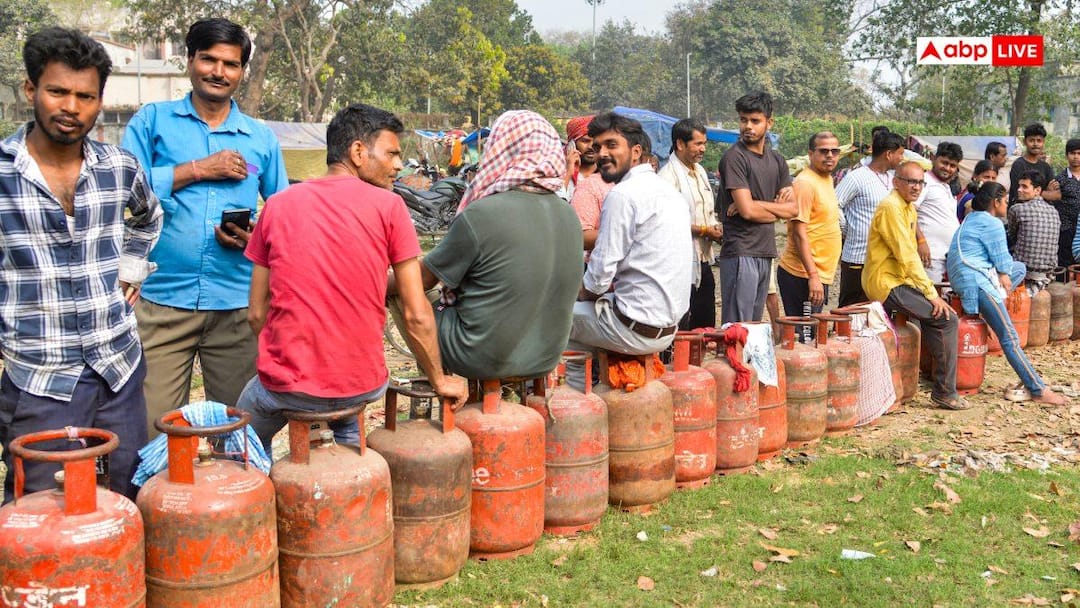
India may not have any direct connection with the ongoing war between America and Iran, but India has to be included among the countries most affected by this war. There is silence in the kitchen due to shortage of gas. There are queues of customers at gas agencies and locks are hanging on food stalls and restaurants. The fire between America and Iran has reached the homes of India, but the question is that if this is not our war then why is the trouble in our kitchen. After all, why does India have to depend on Gulf countries for its oil and gas needs?
What is the consumption of LPG in India?
India consumes about 33-34 million tonnes of LPG every year, while neighboring China consumes about 100 million tonnes of LPG every year. With this figure, India is the second largest LPG consuming country in the world after China. India has to import about 60 percent of this total consumption, while the remaining 40 percent of LPG is made in India’s refineries. This can be understood from a figure of January 2026. Data from Petroleum Planning and Analysis Cell i.e. PPAC says that the total production of LPG in India in January 2026 was 1.158 million tonnes, whereas in January 2026 itself, India imported 2.192 million tonnes of LPG. Domestic production, i.e. 40 percent, is not affected yet, but it is certain to be affected.
From which countries does India buy LPG?
According to Bloomberg report, India buys about 90 percent of its imports from Gulf countries. Among these, two countries are most important for India. The first is Qatar, from where India buys about 34 percent of its total imports. The second country is UAE, from where India buys about 26 percent of its total imports. Apart from this, Saudi Arabia and Kuwait also supply LPG to India.
Supply chain blocked unannounced
Now, be it Qatar or UAE or Saudi Arabia and Kuwait, the route of ships supplying LPG from all these countries passes through the Strait of Hormuz. This route is currently under the control of Iran, from where it has partially stopped the supply. There is a risk of attack in this area and insurance companies have refused to insure ships passing through this route. Whereas the most important condition of any ship to travel the sea route is its insurance. The insurance companies who are ready have increased the premium of ‘War Risk Insurance’ by 1000 percent, due to which the supply chain has been blocked unannounced and the shipping companies are considering it as a suicide mission.
Even America is not providing LPG due to war
There is also an agreement between India and America regarding LPG gas. Under this, America will give 2.2 million tonnes of LPG to India, which will be about 10% of India’s total imports. If the ships coming to India from America have to come through the Atlantic Ocean, then they are not in danger from Iran. However, due to the war with Iran, the prices of petroleum products in America itself have increased so much that it is not able to supply LPG to India. India is also talking to African countries, Algeria and Nigeria as well as Australia, Argentina and Canada for the supply of gas, but right now these are just talks, there is no deal.
How much LPG can India store?
Now the question is that when it was known that there would be a war and in this war Hormuz could be closed, then why did India not prepare? The bigger question is whether if India wanted, preparations would have been made and India would have been able to store LPG in abundance. Understand this that India always stores LPG for at least 25 to 30 days. Some part of this is stored in Visakhapatnam and Mangaluru. There are underground caves here, where LPG is stored so that there is a buffer stock in case of any danger.
These caves are called ‘Rock Caverns’. The capacity of LPG cavern built in Mangaluru is about 80,000 tonnes. The capacity of LPG cavern is around 60,000 tonnes. This means that India currently has the capacity to store only 1.4 lakh tonnes of gas. If this capacity is seen according to India’s daily consumption, then this gas can hardly provide backup to India for two days.
The second question would be that when only two days of gas can be stored in rock caverns, then why do we say that India has 25-30 days of storage. In fact, the gas stored in rock caverns is used only for emergency situations like war. This means that the gas present in rock caverns is, in a way, just emergency oxygen. The remaining gas is stored in at least four places.
bottling plants
Gas companies like Indian Oil, HP and BPCL have more than 200 LPG bottling plants across the country. These plants have large vertical and horizontal tanks, which are called bullets. India’s largest LPG reserve is stored in these bullets, from where gas cylinders are filled every day. As of today, the government claims that all these bullets are 95 percent filled.
refinery storage
There are a total of 23 big refineries in India, where LPG gas is made. They also have large storage tanks, where they keep buffer stock of gas. Unless the gas is sent out through pipelines or tankers, it remains part of this buffer.
transit stock
That is, the gas that comes out of the refinery and goes to the bottling plants and from there it is filled in cylinders and sent separately through trucks. This is a 24*7 process, which should not be added to the buffer stock. But in the present situation it is also being seen as a buffer stock.
The remaining gas is also present in LPG pipelines. This too should not have been seen as a buffer, but now it is also being counted among the remaining gas of 25 days. A report by S&P Global Commodity Insights says that India’s total LPG storage capacity is about 1.9 million tonnes, which can supply gas in the country for about 22 days. In such a situation, the question again gets stuck as to why the government did not make preparations. After all, when petrol and diesel are consumed more than gas in this country, then how come their buffer stock is only for two months and despite low consumption, why is the gas buffer only for 22-25 days.
How is gas storage done?
The answer is India’s gas storage capacity. Crude oil is easy to store, you can store it by digging pits, but LPG is a slightly volatile gas. Storing it is very difficult and expensive, because it has to be stored in liquid form through pressure. This requires special infrastructure, which includes pressurized cylinders, spherical tanks, mounted storage bullets and underground caves.
Making these is an expensive task, on which investment has not been made. In such a situation, the government is currently preparing to build more caves in Mangaluru in addition to the already existing capacity. Surveys are being conducted to build new ‘caverns’ on the coasts of Gujarat and Odisha so that imported gas can be stored there, but this is a process of the future, while the crisis is still in the present.
There has always been supply of LPG, so no government has paid any special attention towards this buffer stock. In such a situation, the question is whether the gas will run out after 22-25 days or India will be able to procure some gas from somewhere. Petroleum Minister Hardeep Puri has responded to this in the Parliament, who has told the country through the Lok Sabha that India has enough gas and oil.
The Petroleum Minister said that India’s domestic production has increased by 28 percent. India’s domestic production in January 2026 was 1.158 million tonnes. Now even if it increases by 28 percent, the production will increase to only about 1.5 million tonnes. Whereas the daily expenditure of LGP in India is around 90,000 tonnes. In such a situation, the amount of production that India produces every month or is currently producing will not be sufficient even for 15 days in the absence of foreign supply.
28 percent increase in LPG production: Hardeep Puri
Indian Oil has suggested that after boiling, reduce the flame and cook food in a pressure cooker, which will save 25 percent gas. You must be understanding very well why we have to save gas now. The only thing that is important right now is that the supply of gas coming from abroad should be maintained and the government is making every possible effort for this. Petroleum Minister Hardeep Puri’s statement is an indication of that effort. Because for the current 28 percent increase in production, petrochemical reduction has also been done. If these cuts continue for a long time, then the plastic and textile industries may also suffer a big blow.
India currently has two months of oil stock. Storing oil is not as difficult a task as gas. India is not dependent only on Gulf countries for the supply of oil. At present there is no visible impact on its supply, but the way Iran’s attacks have become more deadly since March 12 and the way Iran is now attacking the oil refineries of Gulf countries, if it continues for a long time then oil will also start playing and then the real problems will start. Because even though today the crisis is only of gas, but if the Gulf tension continues for a long time then oil can also be affected. Then the question will not be just about the kitchen, it will be about the entire energy security of India.