

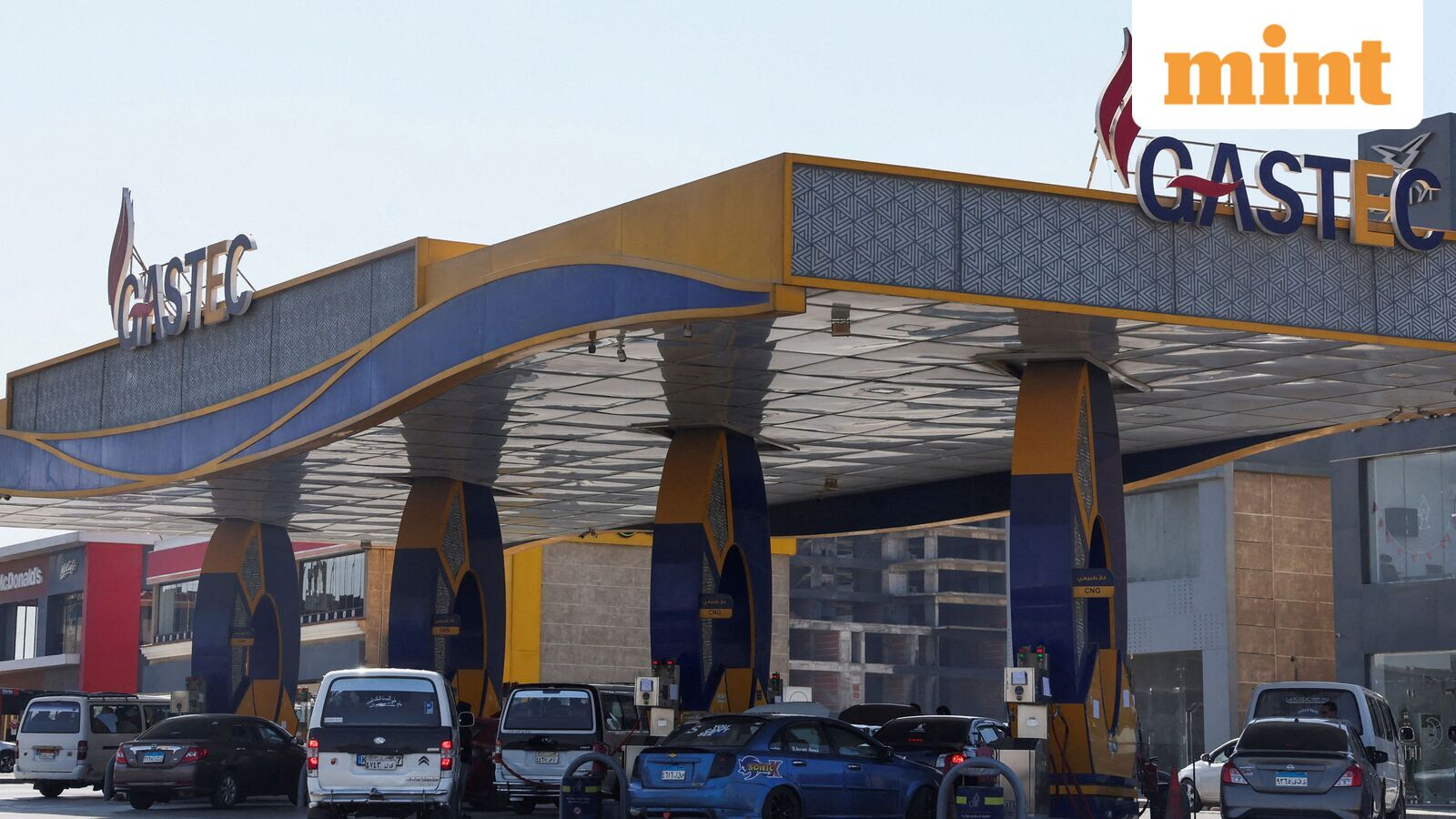
The Ministry of Petroleum and Natural Gas on Saturday warned consumers against taking or storing fuel in loose or inappropriate containers, noting that such practices pose serious safety risks. In an advisory to citizens, it said petrol and diesel are sufficiently available at retail outlets across the country.
This comes as a senior oil ministry official said that authorities have intensified raids and carried out surprise inspections across the country to curb hoarding and black marketing, amid growing concerns over cooking gas shortages fueled by the Middle East conflict.
The ministry also noted that retail fuel outlets have been directed to strictly adhere to prescribed safety norms while dispensing fuel. It added that any violations of these guidelines would result in stringent action.
“Petrol and diesel are adequately available at retail outlets across the country. Consumers are advised not to take or store fuel in loose or inappropriate containers, as it poses serious safety risks. Retail outlets have been instructed to strictly follow safety guidelines while dispensing fuel, and any violation will invite strict action,” the ministry said on X.
India relies heavily on imports to meet its energy needs, sourcing about 88 per cent of its crude oil, 50 per cent of its natural gas and nearly 60 per cent of its LPG consumption from overseas markets.
Domestic LPG production ramped up, says govt
Meanwhile, an official said that LPG refill bookings have witnessed a sharp increase due to panic buying by consumers. She noted that bookings, which were around 75 lakh a day earlier, had risen to nearly 88 lakh, and urged people to place orders only when genuinely required.
She pointed out that before the conflict, daily bookings stood at about 55 lakh, while oil marketing companies delivered around 50 lakh cylinders each day. Although the delivery numbers have remained unchanged, the surge in bookings has put additional pressure on the system.
The official further explained that booking restrictions are determined by the mandatory time interval between two deliveries. In urban areas, consumers can place a fresh booking only after a minimum gap of 25 days from the previous delivery, while in rural areas the interval is 45 days. She added that any attempt to book within this period would not be processed.
To reduce the strain on supplies, she said the government has stepped up domestic production of LPG.
“The first day we informed you about a 10 per cent increase in domestic production, then 25 per cent, then 28 per cent, and today the increase has reached 31 per cent,” she stated.
Prior to the escalation of hostilities between the United States and Israel on one side and Iran on the other on February 28, a significant share of these supplies came from West Asian countries. More than half of India’s crude oil requirement, around 30 per cent of its natural gas and nearly 85–90 per cent of LPG imports were sourced from the region.
The conflict has effectively disrupted movement through the Strait of Hormuz, a key maritime route for energy shipments from Gulf nations. Although India has been able to procure crude oil from alternative suppliers such as Russia, disruptions in gas supplies have resulted in curtailed availability for industrial consumers as well as commercial establishments, including hotels and restaurants.

