Quote of the day: “Don’t follow the crowd, let the crowd follow you” — Margaret Thatcher
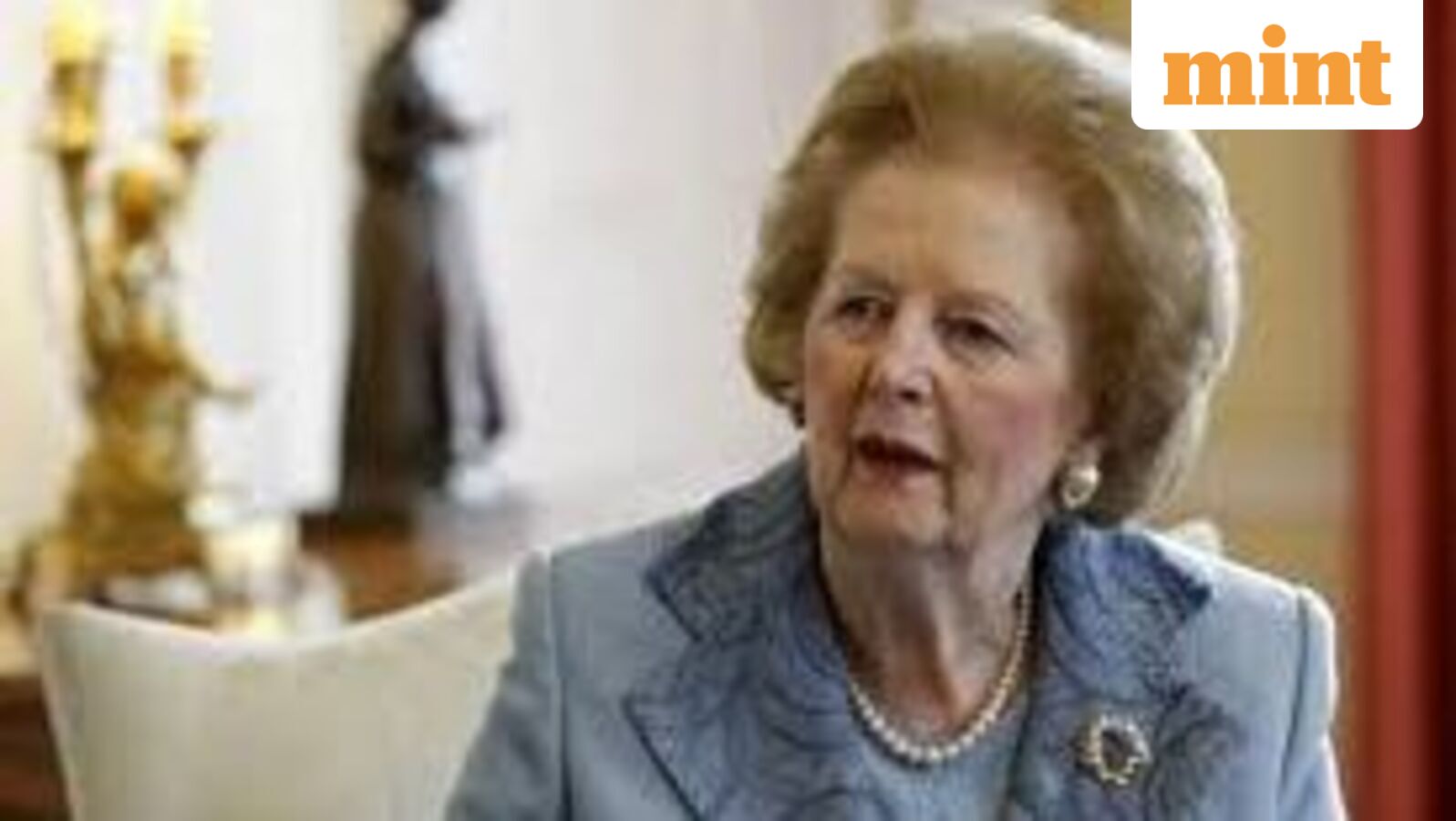
Stateswoman and former Prime Minister of the United Kingdom, Margaret Thatcher’s quote reflects her strong leadership style and unwavering belief in individuality, courage, and decisive action. Often referred to as the “Iron Lady,” Thatcher was known for making bold choices during challenging times, even when her views were unpopular. Her words continue to inspire individuals across generations to stand firm in their convictions and strive to lead rather than simply conform.
Leadership, according to this quote, is not about blending in with prevailing trends or opinions. Instead, it is about having the confidence to chart one’s own path. In a world where social pressures and expectations often shape decisions, the message encourages people to think independently and trust their instincts. True leaders are those who set examples through their actions, values, and determination. They create direction rather than waiting for it to be given.
What does Margaret Thatcher’s quote mean?
The quote emphasizes the importance of originality and self-belief. Following the crowd may feel safe, but it rarely leads to innovation or meaningful progress. By contrast, individuals who are willing to take risks and challenge conventional thinking often inspire others to follow their lead. This principle applies not only in politics or business but also in everyday life, whether in academics, career choices, or personal growth.
The idea also underlines the responsibility that comes with leadership. When people choose to lead, they must be prepared to face criticism, uncertainty, and resistance. Thatcher herself experienced significant opposition during her tenure, yet her determination reshaped economic policies and political debates in Britain. Her statement therefore serves as a reminder that leadership requires resilience and a willingness to stand alone at times.
In today’s fast-paced and interconnected world, the quote is particularly relevant. Social media trends and peer influence can sometimes overshadow individual thinking. However, those who dare to pursue their own vision often drive change and inspire collective progress. By encouraging people to be pioneers rather than followers, Thatcher’s words reinforce the timeless truth that confidence, conviction, and courage are the foundations of impactful leadership.
Who was Margaret Thatcher?
Born “Margaret Hilda Roberts” on October 13, 1925, in Grantham, Lincolnshire, she was the daughter of Alfred Roberts, who hailed from Northamptonshire, and Beatrice Ethel Stephenson of Lincolnshire. Her paternal grandmother, Catherine Sullivan, was originally from County Kerry, Ireland.
Margaret was a British political leader who served as Prime Minister of the United Kingdom from 1979 to 1990 and headed the Conservative Party from 1975 to 1990. She became the longest-serving British prime minister of the 20th century and the first woman to occupy the office. During her tenure, she introduced a range of economic and political reforms that later became known as Thatcherism. Her firm and uncompromising leadership style earned her the nickname “Iron Lady,” first used by a Soviet journalist and later widely associated with her political image.
She studied chemistry at Somerville College, Oxford, and initially worked as a research chemist before qualifying as a barrister. In 1959, she was elected as the Member of Parliament for Finchley. Later, Edward Heath appointed her Secretary of State for Education and Science in his government from 1970 to 1974. In 1975, she defeated Heath in the Conservative Party leadership contest, becoming Leader of the Opposition and the first woman to head a major political party in the United Kingdom.
Margaret died on April 8, 2013.