

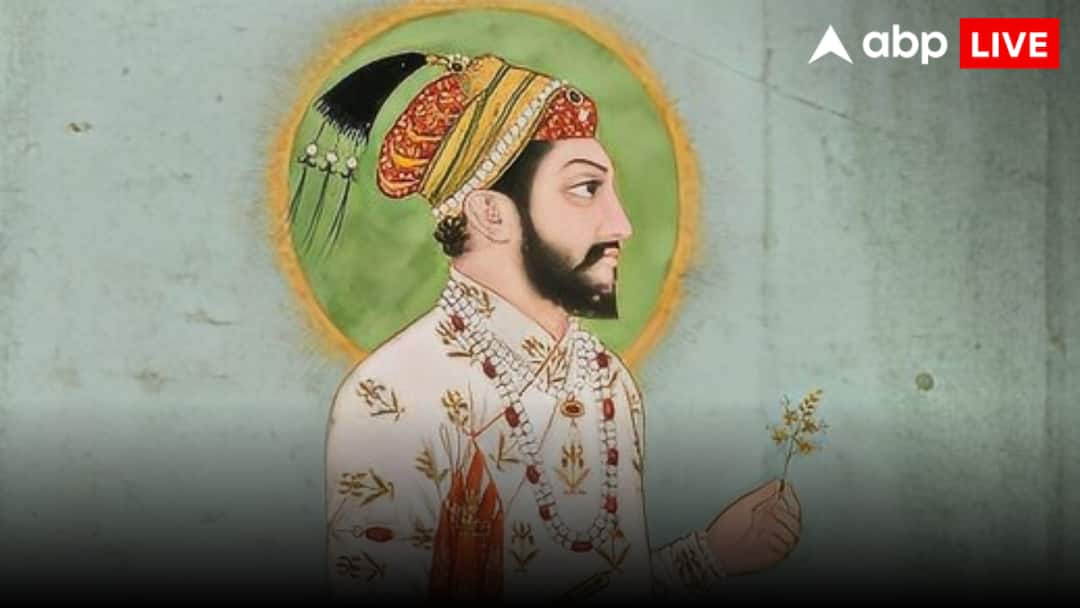
The Mughal Empire is generally known for its vast power, art and administrative system, but this period was also very important in the field of education and knowledge. Mughal rulers believed that scholarship and intellectual understanding were as important for strong governance as military power. This is the reason why teachers, scholars and writers were given special respect in the Mughal court. This point is supported by many writers, including Ali M Aziz, Irfan Habib and JN Sarkar. These people have mentioned the traditions of the Mughal court very well in their books.
Mughal princes were not educated in common schools or abroad. They were taught inside the palaces only. Subjects like Persian, Arabic, history, geography, mathematics, literature and philosophy were part of education. Cities like Agra and Lahore were considered big educational centers of that era, where scholars from India and abroad used to come and teach the princes.
Dara Shikoh Symbol of wisdom and spirituality
Shahjahan’s elder son Dara Shikoh is considered the most learned and thoughtful prince in Mughal history. He was not particularly interested in power or war, rather he was inclined towards spirituality and philosophy. He kept in touch with Sufi saints and tried to understand the teachings of different religions. Dara Shikoh believed that the basic spirit of all religions is the same. Under this thinking, he studied the Upanishads and got about 50 Upanishads translated into Persian language. In his famous work Majm-ul-Bahrain, the similarities between Sufism and Vedanta philosophy have been explained. This is why historians consider him the most progressive and educated prince of the Mughal era.
Also read: Oman Vs Indian Rupee: PM Modi will go to Oman, 500 people from there will become millionaires in India, the value of the currency will blow your mind


Your article helped me a lot, is there any more related content? Thanks! https://accounts.binance.com/register-person?ref=IHJUI7TF
Thank you for your sharing. I am worried that I lack creative ideas. It is your article that makes me full of hope. Thank you. But, I have a question, can you help me?
Your article helped me a lot, is there any more related content? Thanks!