

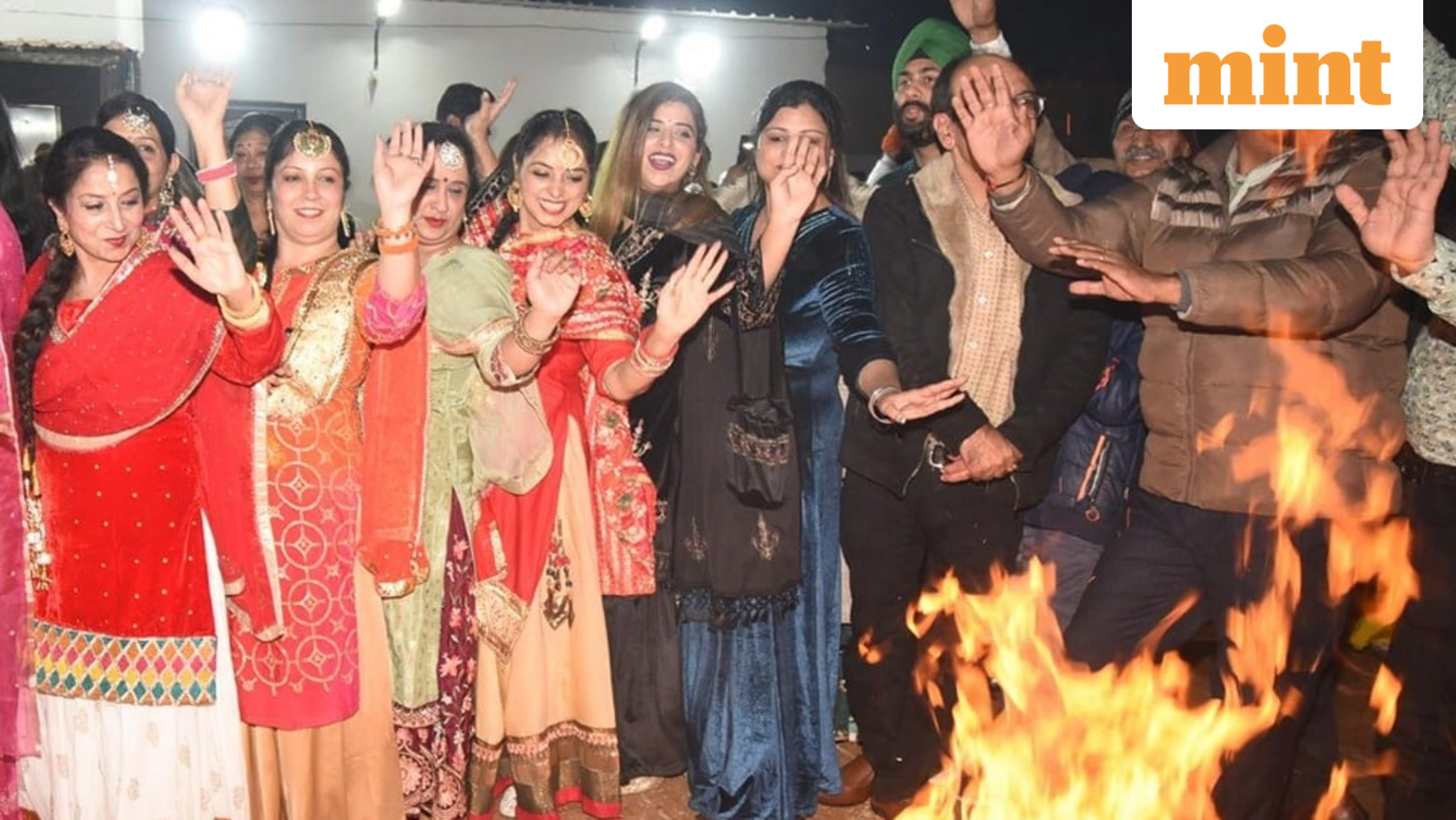
The most awaited harvest festivals — Pongal, Lohri and Makar Sankranti — are just a few days away and the anticipation for the exact date is building.
This year, Pongal will be celebrated on Wednesday, January 14, according to Tamil Solar Calendar. The four-day festivities will kick off with Bogi Pandigai which will be followed by the most auspicious day — Thai Pongal. On Bogi Pandigai, people clean their homes and light bonfire.
The first day of Pongal festivities coincides with Lohri celebrations in Punjab, which will be celebrated on Tuesday, January 13. It marks the harvest of rabi crops. Also known as Lohadi or Lal Loi, Lohri celebrations involve eating festive food like roasted corn, peanuts, gajak and sweets made of sesame seeds and jaggery while dancing Bhangra and Gidda around bonfires.
In the Tamil Calendar, Thai Pongal is the first day of tenth solar month ‘Thai.’ Second day of the four-day long festival is also celebrated as Sankranti and is widely known as Makar Sankranti in North Indian. This is the time when devotees take holy dip in river Ganges. Dedicated to Sun God, this day is considered significant to worship Lord Surya.
According to legends famous in south India, Lord Krishna lifted Govardhan on the next day of Makar Sankranti. Makar Sankranti is observed when the Sun transits from Dhanu Rashi to Makar Rashi, as per Hindu calendar.
Pongal, Makar Sankranti auspicious time
According to Drik Panchang, Thai Pongal and Makar Sankranti shubh muhurat will be observed at 3:13 PM on Wednesday.
The third day of Pongal festivities is known as Mattu Pongal, this is when live stocks and cattle are adorned and worshipped. The time for family reunions in Tamil Nadu, the last and final day of Pongal is known as Kaanum Pongal.
This harvest festival is known by several names across India, but the essence of the festival remains the same. The celebrations signify end of shorter winter days and commencement of longer days as the Sun transitions into Capricorn. The harvest festival is celebrated with different names and traditions across India, each carrying its own traditions, rituals and cultural significance.
In Gujarat, the harvest festival is called Uttarayan, which is the time when kite-flying competitions take place. Known as Magh Bihu or Bhogali Bihu in Assam, it symbolizes the end of the harvest season and is celebrated with bonfires called Meji.
Makar Sankranti is celebrated as Khichdi in Uttar Pradesh and Bihar as devotees prepare and offer a dish made of rice and lentils to the poor. Pithe sweets are the trademark of Poush Sankranti festivities in West Bengal. During this time, a large fair, called Ganga Sagar Mela, is held at the confluence of the Ganga and the Bay of Bengal which draws thousands of pilgrims.
Celebrated with traditional folk songs in Madhya Pradesh and Chhattisgarh, it is known as Sukarat. Known as Shishur Sankrant, in Kashmir, the festival marks the end of the harsh winter period. In Karnataka Sankranti it is known as Sankranthi and Makar Sankramana and in Andhra Pradesh as Pedda Panduga.

