

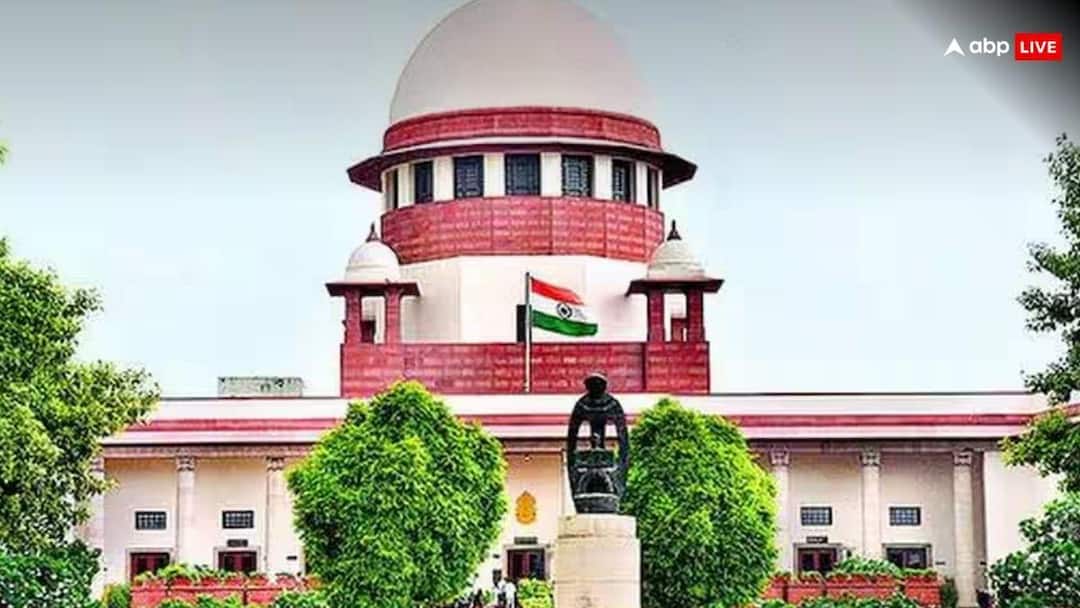
The Supreme Court on Monday (January 6, 2026) said that merely because an order is wrong or there is an error in the decision, the arduous process of disciplinary proceedings or prosecution cannot be initiated against a judicial officer. The court also canceled the dismissal of a district judge of Madhya Pradesh, who had adopted different criteria in granting bail to the accused under the Excise Act.
The Supreme Court said that a fearless judge is the cornerstone of an independent judiciary, just as an independent judiciary is itself the foundation on which the rule of law rests. A bench of Justices JB Pardiwala and KV Vishwanathan said that a judicial officer is entrusted with the difficult duty of deciding cases and inevitably, one of the parties in the case faces defeat and comes back dissatisfied.
The bench said, ‘These disgruntled elements, in their desire to settle scores, may make baseless allegations. The lower courts are under heavy workload and work under difficult circumstances. A large number of cases are listed in a day and most of the judicial officers perform their best while discharging their duties.
Justice Vishwanathan said the case highlights the unfortunate plight of judicial officer Nirbhay Singh Sulia, who was removed from service after 27 years of unblemished record only because of four judicial orders by which he had released some parties on bail.
The bench allowed the appeal of Sulia, who was dismissed from service by the state government on the recommendation of the Madhya Pradesh High Court after an investigating officer found substance in allegations of corruption in passing the bail order.
The court said, ‘The dismissal order dated September 2, 2015, the appellate authority order dated March 17, 2016 and the disputed order of the High Court are all cancelled. The Appellant will be deemed to continue in service till he attains the normal age of retirement.
The Supreme Court said, ‘Since the Appellant has been excluded from service without any fault, we are of the opinion that the Appellant should be paid the full outstanding salary along with all related benefits. Monetary benefits along with interest at the rate of 6 percent should be released within a period of eight weeks from today.
The court said, ‘It must be ensured that no judicial officer is made to undergo the pain of disciplinary proceedings or prosecution merely because of an incorrect order or error in judgment, without any other reason.’
The Bench expressed serious concern over the increasing trend of frivolous allegations being leveled against judicial officers of the subordinate judiciary at the behest of aggrieved parties and stressed the need for protection of such officers. The Supreme Court said, ‘For this reason, officers of the subordinate judiciary hesitate in granting bail and the burden of bail petitions on the High Courts and the Supreme Court increases.’
The bench also underlined that members of the Bar also indulge in making frivolous allegations against members of the judiciary and warned of contempt action against them. Justice Vishwanathan, who authored the judgment, said high courts should exercise caution while initiating disciplinary proceedings against judicial officers merely because of conflicting judicial orders.
Justice Pardiwala agreed with the decision and praised the decision written by Justice Vishwanathan and said that it is a very bold decision, which will go a long way in ensuring the safety of honest judicial officers.
Also read:-
Permission to light lamps on Tiruparankundram hill intact, Madras HC reprimands DMK government