

Iran’s Supreme Leader, Ali Khamenei, has issued sweeping directives to safeguard the Islamic Republic in the event of war or his assassination, The New York Times cited six senior Iranian officials and members of the Revolutionary Guards as saying.
Khamenei has established four layers of succession for military and government posts that he personally appoints and instructed senior leaders to each name up to four replacements, the officials told the NYT. He has also delegated authority to a tight circle of confidants to make critical decisions should communications be severed or he be killed, the news outlet stated.
While in hiding during a 12-day war with Israel last June, Khamenei named three potential successors, though they have not been publicly identified, the outlet reported.
Larijani emerges as central figure
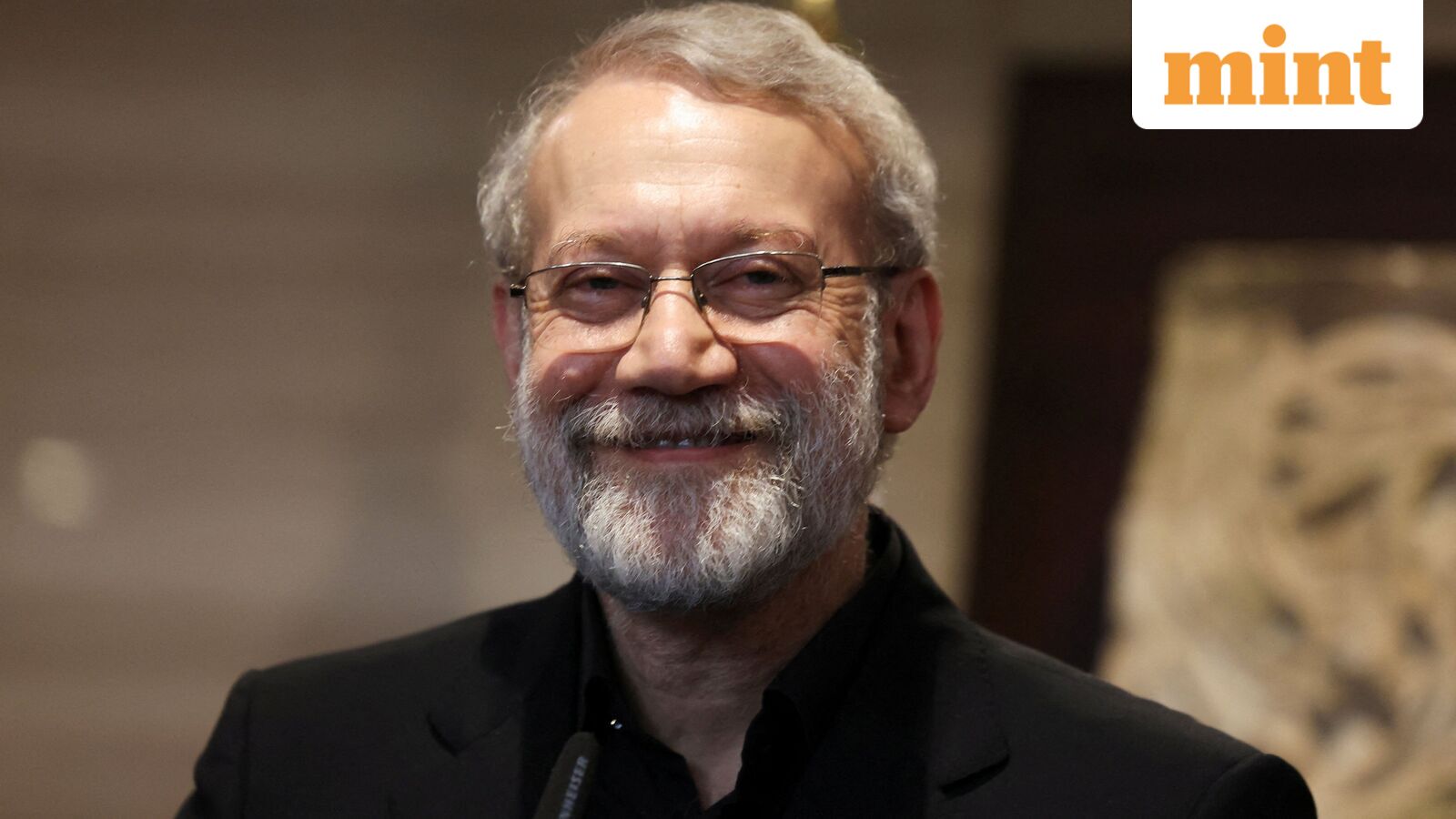
At the center of the contingency planning is Ali Larijani, a close Khamenei ally who now serves as secretary of the Supreme National Security Council. According to officials cited by the news outlet, Larijani is widely viewed as the top candidate to serve as interim leader if Khamenei and other senior officials are killed.
Although Larijani is not eligible to succeed Khamenei as supreme leader because he is not a senior Shiite cleric — a fundamental qualification for the role — he has become a pivotal wartime figure.
“The supreme leader fully trusts Larijani. He believes Larijani is the man for this sensitive juncture because of his political track record, sharp mind and knowledge,” conservative analyst Nasser Imani told the NYT. “He relies on him for reports on the situation and pragmatic advice. Larijani’s role will be very pronounced during war.”
Other potential interim figures under consideration include Parliament Speaker Mohammad Bagher Ghalibaf and former President Hassan Rouhani, officials told the newspaper.
Lessons from Israel attack
Some of the planning stems from lessons learned after a surprise Israeli strike in June that wiped out much of Iran’s senior military command within hours, the NYT reported.
Following a ceasefire, Khamenei appointed Larijani to his current post and established a new National Defense Council headed by Adm. Ali Shamkhani to oversee wartime military affairs.
Crackdown and domestic preparations
In the event of war, special police units, intelligence agents and Basij militia forces would be deployed across major cities to prevent unrest and establish checkpoints, according to Guards members and officials cited by the NYT.
Iran’s leadership is also preparing politically, weighing who could manage the country if top leaders are killed. Officials described discussions about finding a figure akin to Venezuela’s vice president Delcy Rodríguez — someone capable of stabilizing governance in a crisis, the news publication reported.
Ali Vaez, Iran director at the International Crisis Group, told the NYT that while contingency plans exist, war with the United States would carry unpredictable consequences.
“The supreme leader is less visible, more vulnerable, but he is still the super glue keeping the system together,” Vaez said. “If he is not there any more it would be hard to keep the system together.”
Rising US tensions
According to the NYT, Iran is operating under the assumption that US military strikes are imminent, even as nuclear negotiations continue. Officials said Iran has placed its armed forces on the highest alert level.
Ballistic missile launchers have been positioned along Iran’s western border near Iraq and along the Persian Gulf coast, within range of US bases and Israel. Iran has also periodically closed its airspace to test missiles and recently conducted military exercises in the Gulf, briefly closing the Strait of Hormuz.

