
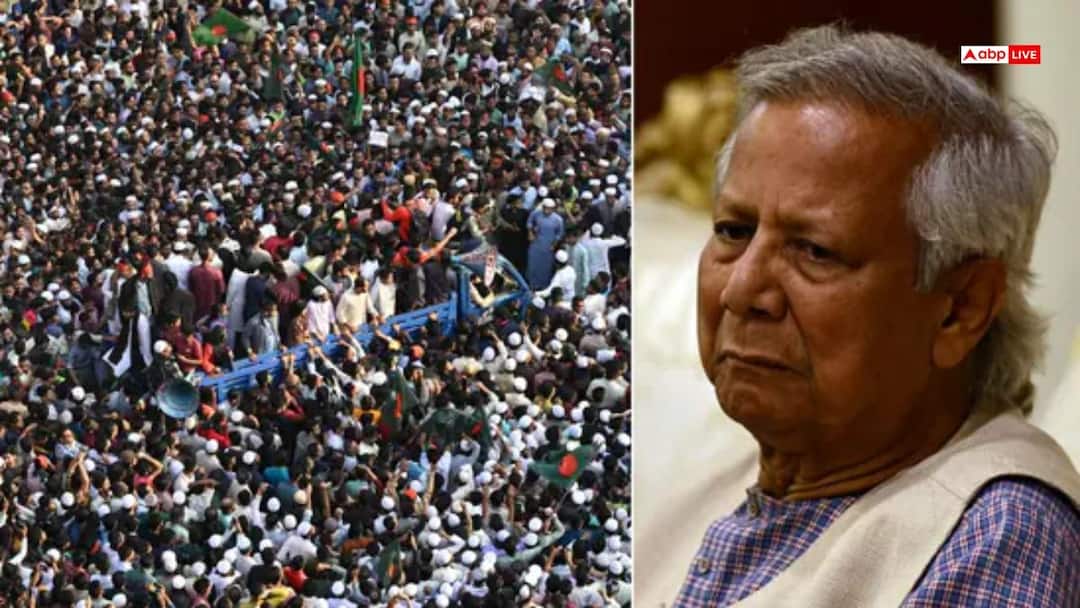
The situation in Bangladesh has deteriorated rapidly after the murder of youth leader Sharif Usman Hadi and mob lynching of Hindu youth Dipu Chandra Das. These incidents not only sparked widespread protests within the country, but also plunged India-Bangladesh relations into another diplomatic crisis. The effect of this tense situation is visible from Dhaka to Delhi. Visa services are suspended, questions are being raised on the security of embassies and concern has also increased at the international level. Big things related to recent unrest in Bangladesh:
Situation worsened after the assassination of Sharif Usman Hadi
Protests started across the country after the shooting death of youth leader Sharif Usman Hadi in Dhaka. Hadi was one of the leading figures in last year’s ‘July uprising’ and his death further increased political tensions. After Hadi’s assassination, anti-India slogans and demonstrations intensified, due to which the Bangladesh government suspended visa services in India.
Outrage over mob lynching of Dipu Chandra Das
The lynching of Hindu youth Dipu Chandra Das in Mymensingh on alleged blasphemy charges sparked outrage among the minority community. This was described as an example of religious fanaticism and administrative inaction.
Demonstration of Hindu organizations in Dhaka
Hindu religious organizations and minority rights groups demonstrated outside the National Press Club in Dhaka. The protesters said that Dipu Das was killed on false charges. India summoned Bangladesh’s ambassador and expressed strong objection to the security of minorities, threats to embassies and ‘misleading narrative’.
America talked to Yunus
US Special Envoy Sergio Gore discussed the recent events over the phone with Bangladesh’s Chief Advisor Mohammad Yunus. During this, Yunus reiterated his commitment to hold general elections on 12 February.
Yunus’s claim regarding elections
Yunus said the interim government was committed to fair and peaceful elections, but he also accused supporters of the ousted Awami League of disrupting the elections. Sharif Hadi’s organization ‘Inquilab Manch’ gave an ultimatum of 24 hours and warned of mass movement if justice was not given. The organization demanded an investigation by international agencies.
Attacks on media institutions and damage to democratic image
The protesters attacked several media offices including Pratham Aalo and The Daily Star. Pratham Aalo had to stop print edition for the first time in 27 years. Yunus condemned the attacks. A few days after Hadi’s assassination, student movement leader Motaleb Sikdar was shot in Khulna, further increasing fears of targeted violence.
Visa services suspended due to security reasons
Earlier, New Delhi-based Bangladesh High Commission had announced to temporarily stop visa and consular services citing security concerns. This decision has been taken at a time when India had closed its visa application centers in Bangladesh. These centers were targeted by the mob in the violence that broke out after the assassination of Osman Hadi.
Sheikh Hasina’s allegations against the interim government of Bangladesh
The interim government of Bangladesh has indicated that it may review the presence of its diplomatic missions in India if the situation worsens. At the same time, India has made it clear that it will remain alert regarding the safety of minorities and regional stability. Meanwhile, ousted PM Sheikh Hasina has accused the Yunus government of promoting extremists and spoiling relations with India.