New Delhi: India’s apex drug regulator has approved the third phase of clinical trials for the country’s first combined covid-19 and influenza vaccine from Serum Institute of India (SII), according to two government officials and documents reviewed by. mint.
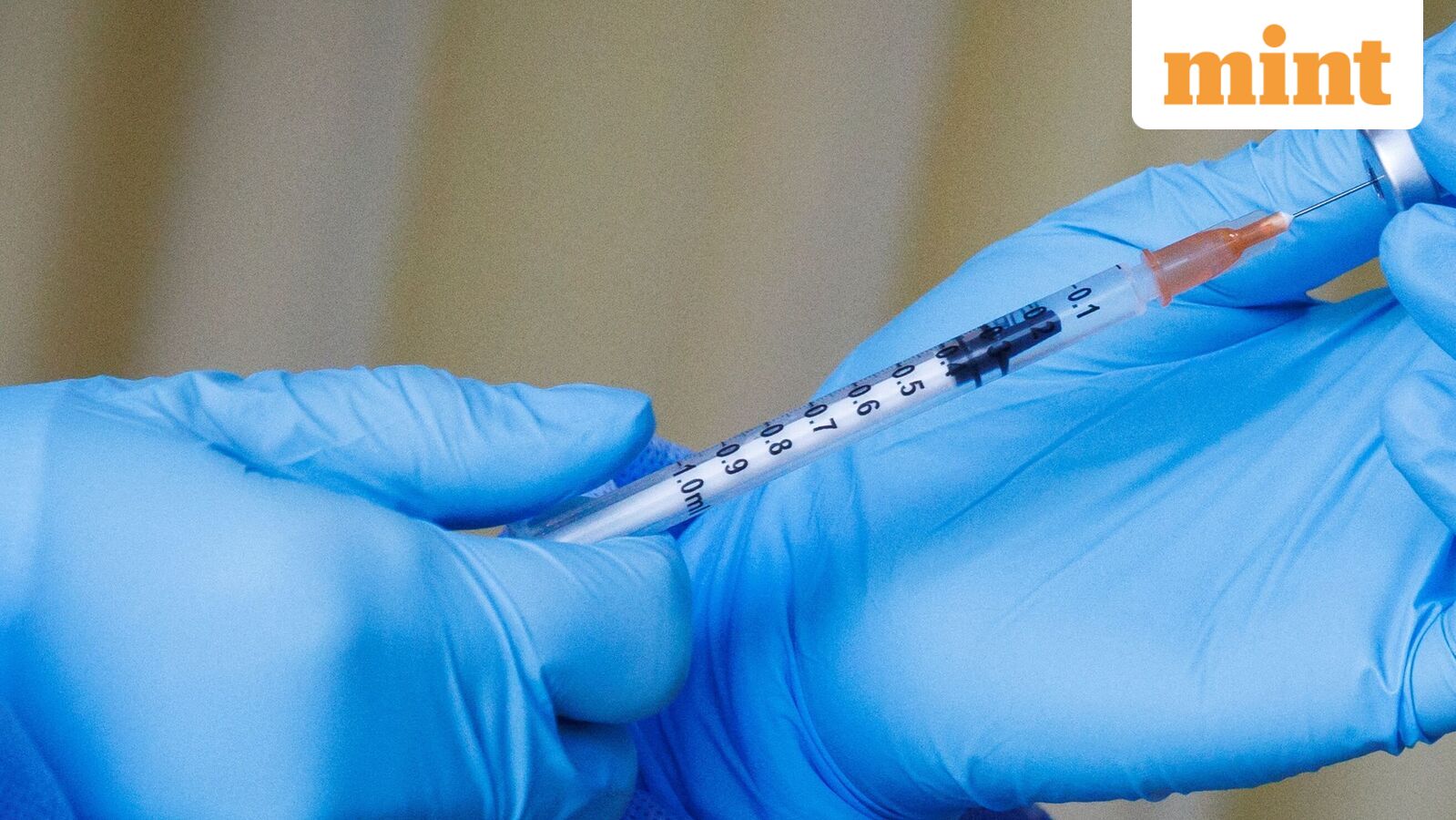
In what is being viewed as a shot in the arm for India’s healthcare playbook, a panel of the Central Drugs Standard Control Organization (CDSCO) has recommended that SII proceed with advanced Phase III clinical trials for its vaccine—Trivalent Nanoparticle Influenza (tNIV) Vaccine and Covid Trivalent Influenza Combination (CIC) Vaccine—that targets both covid and influenza in a single dose.
“By combining protection against the seasonal flu and covid-19 into one shot, health authorities aim to simplify immunization schedules and significantly reduce ‘vaccine fatigue’ among the general population,” said the first government official requesting anonymity.
This decision was taken at a high-level meeting held on 22 January at the CDSCO headquarters in New Delhi, where the Subject Expert Committee (SEC) also approved the domestic rollout of SII’s standalone covid vaccine, targeted at the Omicron JN.1 variant.
Clinical trials are conducted in three primary phases before final approval is granted.
Globally, major pharmaceutical companies like Moderna, Pfizer, and BioNTech are currently developing covid and influenza combination vaccines, with many entering advanced stages of clinical trials.
Queries emailed to the spokespersons of the Drugs Controller General of India (DCGI) and the Union health and family welfare ministry on 25 February, and the Serum Institute of India on 19 February, remained unanswered till press time.
Key Takeaways
- SII is moving to Phase III trials for a Trivalent vaccine targeting both covid and influenza in a single dose.
- The regulator has approved the domestic rollout of the JN.1-specific booster for those over 12 years with underlying risks.
- India is shifting from emergency pandemic response to a seasonal model, mirroring the global shift toward annual boosters.
- SII has already exported 8 million doses of the JN.1 vaccine globally before its full domestic launch.
- Experts believe combo-vaccines will reduce vaccine fatigue and streamline cold-chain management for health providers.
Shift to seasonal strategy
The total Indian The vaccine market was estimated at $2.45 billion in 2024 by consulting firm Grand View Research. Within this, the specific India covid vaccine segment was valued at $765.18 million in 2024, while the Indian influenza vaccine market is valued at $26.76 million in 2024, global management consulting and market research firm TechSci Research said.
Globally, the scale is larger, with the influenza vaccine market projected to reach $9.96 billion by 2026, according to Fortune Business Insights, and the global covid vaccine market, which AI-driven market research firm 360iResearch estimated at $285.3 billion for 2026 as it shifts toward a multi-dose seasonal model.
The covid vaccine segment, valued within a broader $2.45 billion national vaccine market, according to Grand View Research. Also, the influenza vaccine market is expanding rapidly, valued at $26.76 million in 2024 with a growth rate of 7.45%.
India has administered 2.2 billion doses of the covid vaccine.
“This dual recommendation signals a shift in India’s health strategy: moving away from emergency pandemic response and toward a variant-ready future where covid-19 protection is seamlessly integrated into standard, seasonal healthcare routines,” said the second official cited above, who also did not want to be named.
India has approved a diverse portfolio of covid vaccines under different regulatory categories. Three primary vaccines—Covishield (by Serum Institute), Covaxin (Bharat Biotech), and Corbevax (Biological E)—are approved for manufacture, sale, and distribution following their initial emergency use authorization.
Additionally, 12 other vaccine variants and brands have received authorization for restricted use in emergency situations for the primary vaccination series. These include international options, such as Sputnik-V, Moderna, and Janssen, alongside domestic options, such as the DNA-based ZyCoV-D and the nasal vaccine iNCOVACC.
Furthermore, five specific vaccines, including covishield, covaxin, corbevax, gemcovac-18, and iNCOVACC are authorized as booster doses for adults.
Combo benefits
As of late February, the covid scenario in India remains in a stable, endemic phase with minimal active viral circulation.
According to the National Center for Disease Control (NCDC), India typically experiences two influenza outbreak peaks—from January to March, and again in the post-monsoon season.; with the country recording a sharp rise in infections last year.
Public health experts say covid and influenza show a seasonal pattern in caseloads, with immunization important for high-risk populations.
Dr. Soumya Swaminathan, former WHO chief scientist, said, “Covid-19 remains a significant factor in seasonal respiratory illness spikes. Boosters targeting current variants like JN.1 are preferred over older versions. While separate shots are currently common, moving toward combination shots (covid-19 + influenza) for vulnerable groups could be an effective future strategy.”
Sarang Deo, executive director of the Max Institute of Healthcare Management and deputy dean, Faculty & Research at the Indian School of Business, said, “Influenza has a similar pattern. Both diseases are also similar in that the viruses are constantly mutating, which reduces the efficacy of the vaccines and makes it essential to keep the vaccine composition updated.”
A combo vaccine is attractive as it reduces the number of jabs for a patient and the visits to a health facility, Deo said. “It will also have significant benefits in terms of cold chain management since one would have to manage one vaccine stock rather than two.”