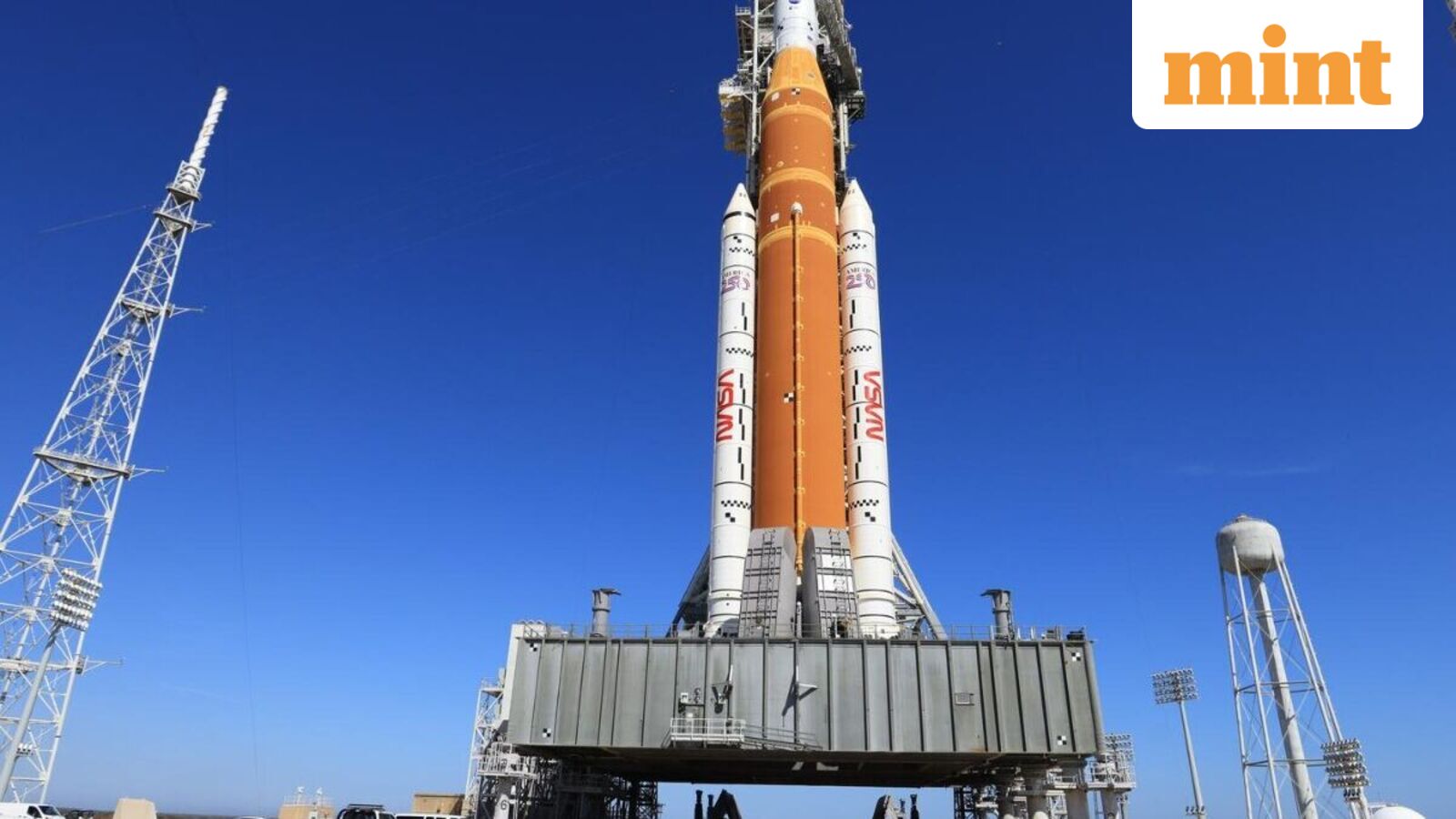
NASA is preparing for the possibility of rolling back the Artemis II rocket and Orion spacecraft to the Vehicle Assembly Building (VAB) at Kennedy Space Center in Florida after engineers detected an interrupted flow of helium to the Space Launch System’s upper stage.
The space agency said the issue was identified overnight on February 21 involving the SLS (Space Launch System) rocket’s interim cryogenic propulsion stage. Teams are currently reviewing data and taking steps to position the vehicle for a potential rollback while determining the best path forward.
Preparations underway at the launch pad
To preserve troubleshooting options at both Launch Pad B and the VAB, teams are removing pad access platforms installed earlier. NASA said the platforms cannot be removed during high winds, which are forecast for tomorrow.
A rollback would prevent the mission from launching during the March window. However, officials said the preparations could help preserve the April launch opportunity, depending on technical findings and repair timelines.
Role of helium in the upper stage rocket
NASA explained that the upper stage uses helium to maintain proper environmental conditions for the engine and to pressurize liquid hydrogen and liquid oxygen propellant tanks.
The systems functioned during the Artemis II wet dress rehearsal, completed on February 19. However, teams were unable to properly flow helium during normal operations and reconfigurations following the test.
Operators are currently using a backup method to maintain safe environmental conditions, and NASA confirmed the rocket remains in a stable configuration.
Investigating possible causes
Engineers are examining several potential sources of the problem, including:
-The interface between ground and rocket lines used to route helium.
-A valve in the upper stage
-A filter between the ground systems and the rocket
Teams are also reviewing data from Artemis I, during which engineers previously addressed helium-related pressurization issues before launch.
If a rollback is required, NASA confirmed the March launch window would no longer be possible. However, agency officials said rapid preparations are aimed at keeping options open for April.
NASA said it will continue to provide updates as data analysis and scheduling decisions progress in the coming days and weeks.