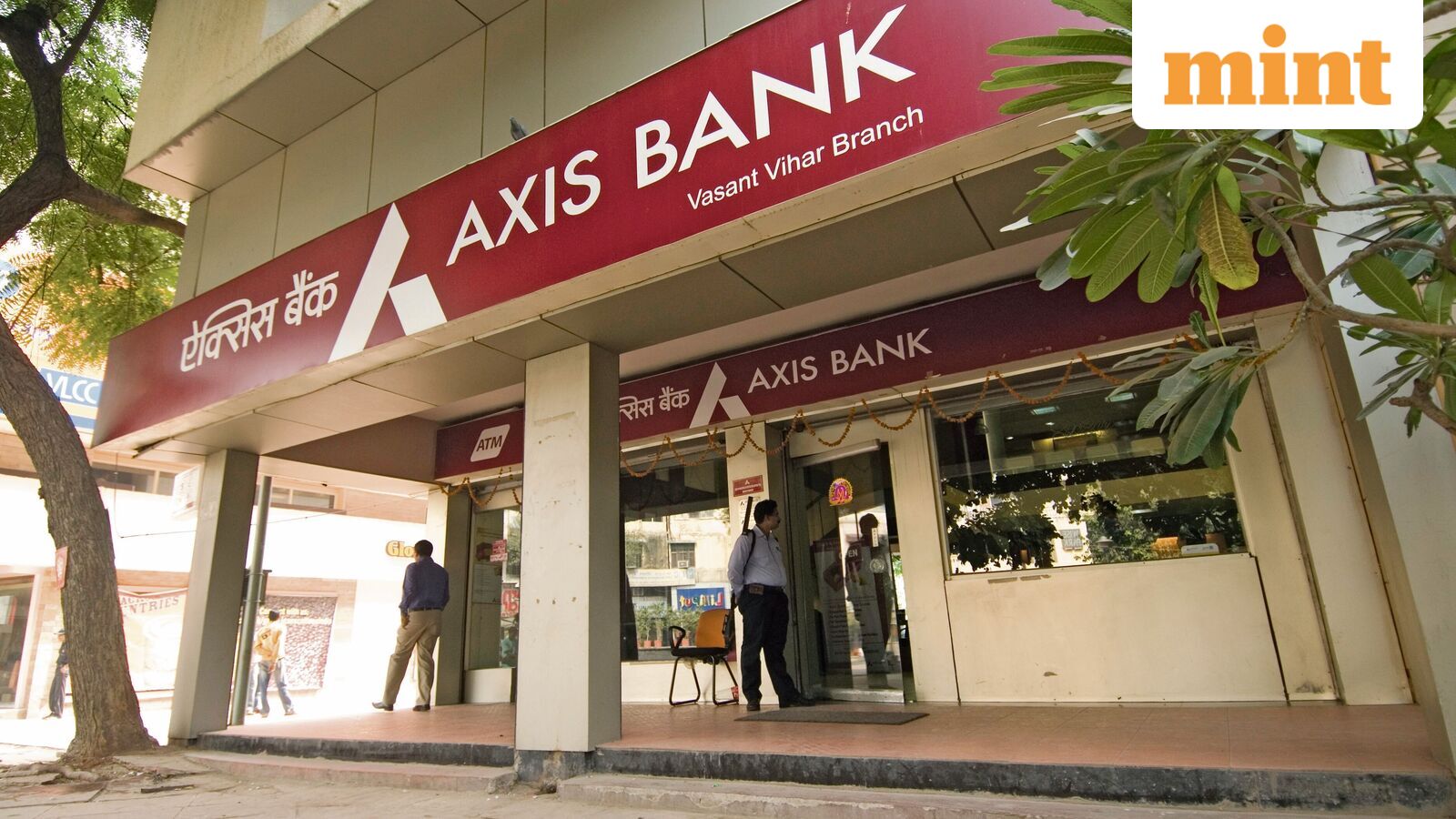
Shares of Axis Bank, the country’s fourth-largest private sector lender, saw renewed selling pressure in Wednesday’s trade, March 11, falling 4.7% to the day’s low of ₹₹1,252.80 per piece. Today’s fall is also the biggest intraday decline since mid-December, when the stock had crashed 5%.
The fall has not only pushed the stock to a 7-week low but has also brought the company’s market capitalization below. ₹4 lakh crore. The 4.7% drop in the stock has wiped out ₹19,016 crore of the bank’s market value, bringing it down to ₹Rs 3,89,270 crore.
Taking the previous close of ₹1,314 per share into account, the market capitalization stood at ₹4,08,286 crore. At its peak, the market capitalization of the private sector lender stood at ₹4,40,600 crore.
To be precise, the shares have remained under pressure since late February and have so far lost 10% in just nine trading sessions, which is the biggest one-way slide for a large-cap stock in such a short period.
The fall has not only impacted the bank’s shareholders’ wealth but has also significantly weighed on the overall market performance, as it is a key heavyweight in the Nifty 50.
The weakness is not limited to Axis Bank, as the broader market is also witnessing a sell-off amid escalating tensions in the Middle East. The conflict has pushed crude oil and gas prices to multi-year highs, raising concerns about tighter monetary policy and delayed interest-rate cuts by central banks.
The conflict has also led overseas investors to turn negative on the Indian stock market, as they have pulled out. ₹33,917 crore from local equities so far in March, as per NSDL data. This heavy selling came after they had infused ₹22,615 crore in February.
As per the BSE’s December shareholding data, foreign investors own a 42.6% stake in the bank, followed by 42.7% held by domestic institutional investors. The general public holds a minority stake of 6.6%.
Axis Bank share price trend
The shares have closed five out of the last six months in the green, with October 2025 emerging as the biggest monthly gain of 9%, followed by an 8.27% rise in September 2025. However, the bank has lost some of its recent gains in the current month, as the stock has crashed 9.20% so far amid sustained selling pressure.
Looking at its long-term performance, the shares have risen from ₹620 apiece ₹1,269 in five years, delivering a strong return of 104%.
Disclaimer: : We advise investors to check with certified experts before making any investment decisions.