
The latest United States military strikes on Iran have reignited a long-running constitutional debate in Washington DC: who truly holds the authority to take the nation to war. President Donald Trump’s decision to launch a joint military campaign on Iran alongside Israel without prior congressional authorization has drawn criticism from legal scholars and lawmakers, who argue the operation may be “illegal” under domestic US law and reflects decades of expanding presidential war powers.
The episode underscores a persistent tension embedded within the American constitutional system — one that has shaped US foreign policy for more than three-quarters of a century.
Why critics say Trump’s Iran strikes may violate US law
Under Article I of the US Constitution, Congress holds the sole authority to declare war, a power it has not formally exercised since World War II. Despite that limitation, successive presidents have ordered military operations abroad under broader interpretations of executive authority.
Trump acted unilaterally in launching the latest campaign against Iran, prompting critics to argue that the administration bypassed legislative oversight. Legal scholars and lawmakers contend that presidential authority under Article II — which designates the president commander-in-chief — is intended primarily for responding to imminent threats rather than initiating sustained military campaigns.
Presidents, however, have increasingly relied on expansive readings of these powers, often citing national security concerns to justify military action without congressional approval.
Can Congress actually stop military action?
Congress retains mechanisms to challenge presidential military decisions, though they are politically and procedurally difficult to deploy.
Lawmakers can introduce so-called war powers resolutions requiring the president to seek authorization before continuing hostilities. Several members of Congress have already pushed for a vote on legislation aimed at limiting further military engagement with Iran.
For such a resolution to take effect, it must pass both the Senate and the House of Representatives. The president can then veto the measure, forcing Congress to secure a two-thirds majority in both chambers to override that veto — a threshold rarely achieved in deeply polarized political environments.
Driving the conflict: US and Israeli strikes on Iran
The United States and Israel launched coordinated strikes targeting Iranian senior commanders and political leaders, including Supreme Leader Ali Khamenei, in what officials described as an effort to destabilize the regime.
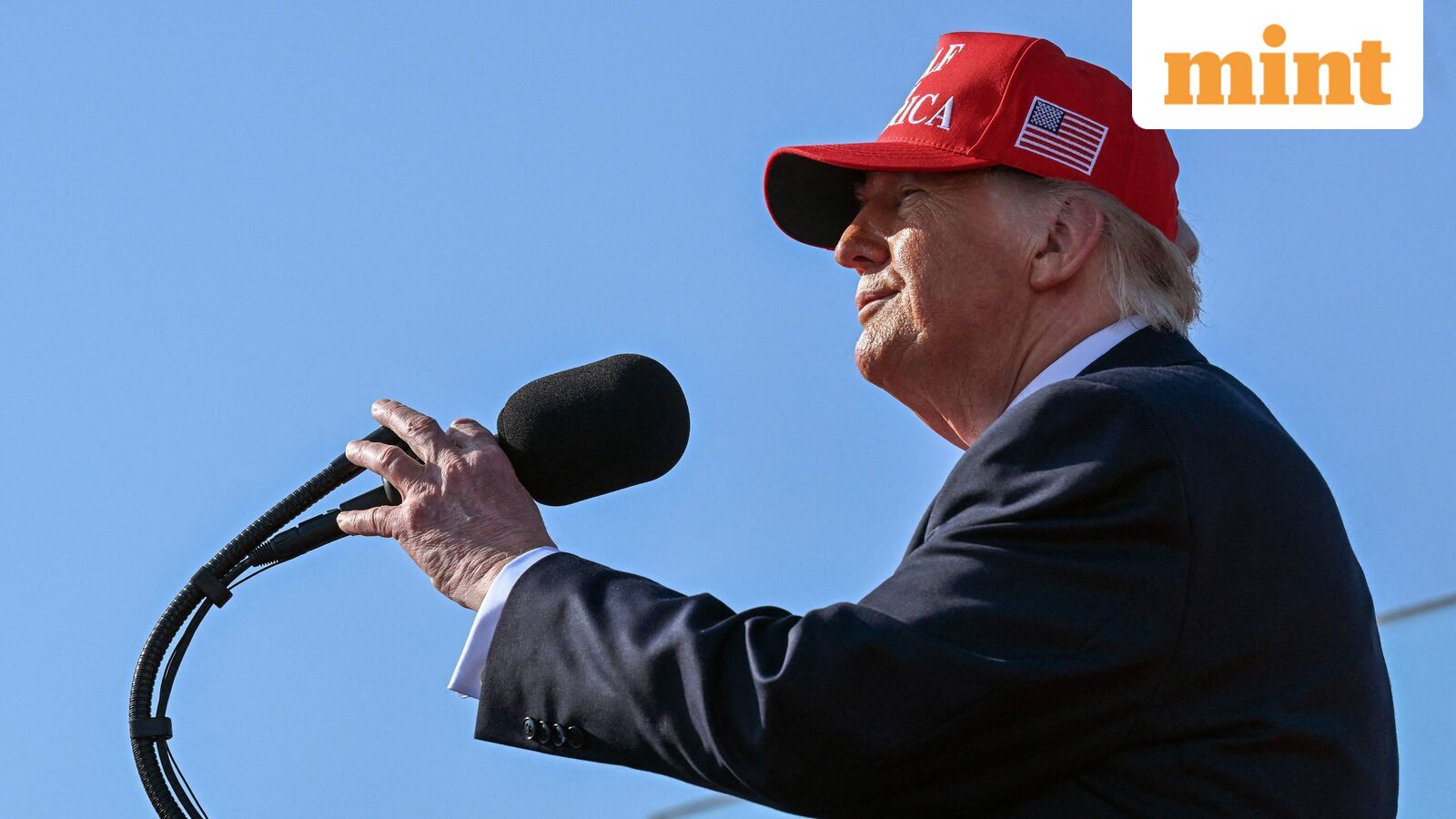
In a video statement, Trump said: “We’re going to destroy their missiles and raze their missile industry to the ground.”
The White House did not immediately respond to requests for comment following criticism over the legality of the operation.
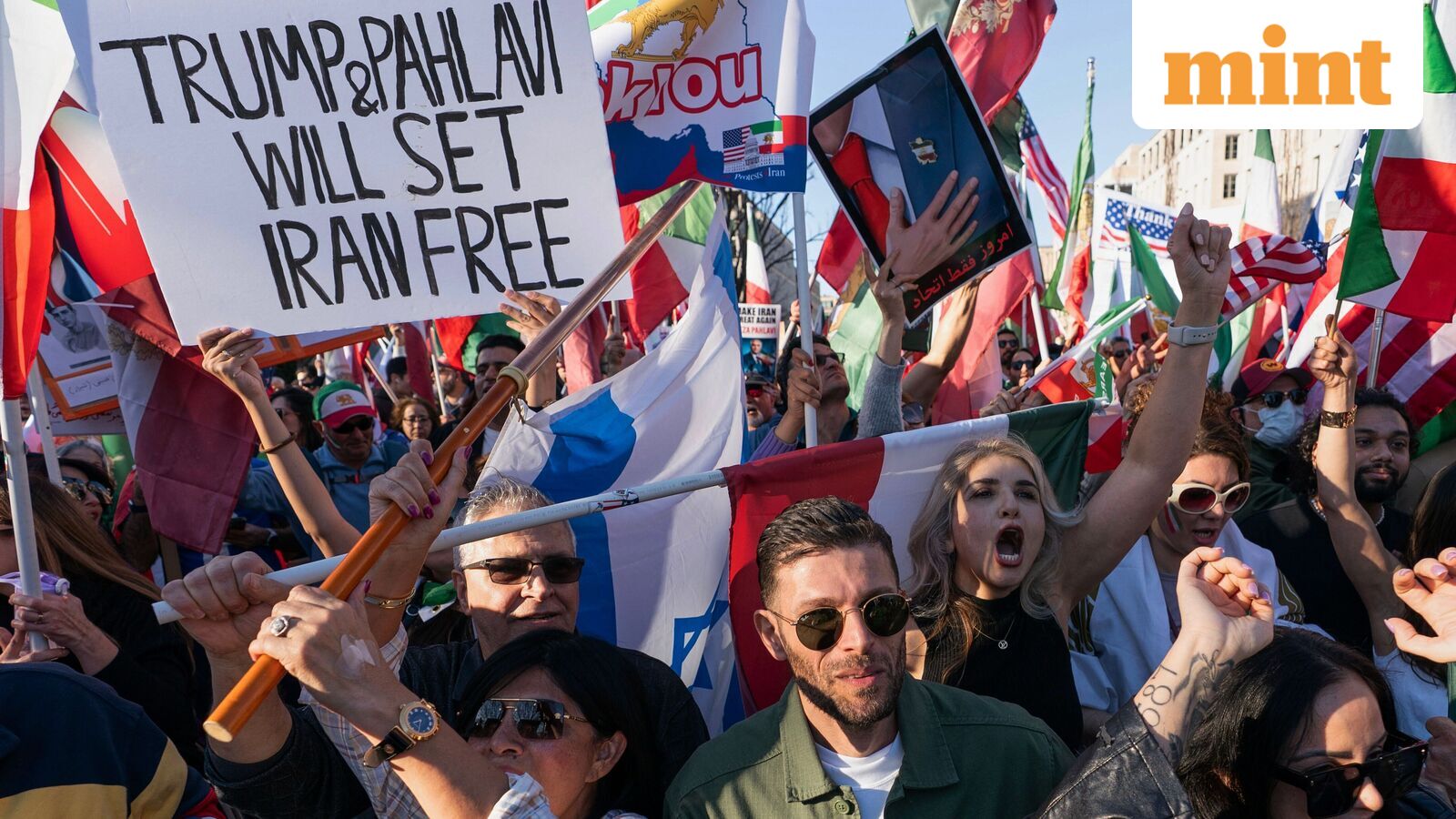
Trump had floated the possibility of strikes for weeks, citing support for Iranian protesters, concerns over Tehran’s nuclear ambitions and a broader desire for regime change. The administration had also ordered a significant troop buildup in the region prior to the attacks.
Who can declare war under the US Constitution?
The Constitution assigns Congress the exclusive power to declare war under Article I. Yet lawmakers have gradually interpreted that provision to allow presidents to deploy troops into “hostile circumstances” without a formal declaration if the United States is attacked or Congress has authorized force through legislation.
The country has not issued an official declaration of war since 1942, during World War II.
Presidents instead argue they possess broad operational authority as commanders-in-chief, particularly when military action is deemed time-sensitive.
“Congress is not quick. It’s slow, it’s deliberative,” historian Julian Zelizer said.
“Sometimes the president has to be more nimble and send troops when the president believes that troops are necessary.”
A 75-year pattern of presidents bypassing US Congress
Trump’s actions follow a long historical pattern in which presidents from both political parties have authorized military force without explicit congressional approval.
The precedent dates to 1950, when President Harry Truman sent US troops to South Korea, describing the intervention as an “international police action” that did not require congressional authorization. The Korean War remains what former diplomat Scott Anderson called the “high water mark” presidents cite to justify unilateral uses of force.
Cold War operations further expanded executive precedent, including the Bay of Pigs invasion under President John Kennedy and the secret bombing of Cambodia ordered by President Richard Nixon.
In 1989, President George HW Bush invaded Panama to detain Manuel Noriega without prior congressional approval.
Post-9/11 authorizations and expanding executive power
Modern presidents have frequently relied on the 2001 and 2002 Authorizations for Use of Military Force (AUMF), passed after the September 11 attacks, to justify operations far beyond their original scope.
Congress has not approved a new AUMF since 2002, yet Presidents Barack Obama, Donald Trump and Joe Biden collectively authorized military actions in at least ten countries.
The Obama administration, for example, justified intervention in Libya in 2011 as a “limited” mission conducted in the national interest, ultimately contributing to the fall of Muammar Gaddafi.
Obama also deployed troops to Syria to fight ISIS without new congressional authorization after lawmakers failed to vote on a proposed strike following chemical weapons attacks by the Assad government.
Critics argue such decisions illustrate how presidents have stretched post-9/11 legal frameworks well beyond counterterrorism objectives.
Why US Congress often avoids confrontation
Political incentives frequently discourage lawmakers from directly challenging presidential military decisions.
“There’s a long history of presidents struggling with these situations. Many members of Congress are happy to wash themselves of this responsibility, even if they lose a little credit,” Zelizer said.
Allowing presidents to assume responsibility for military outcomes can shield legislators from political fallout, even as it weakens congressional authority over war powers.