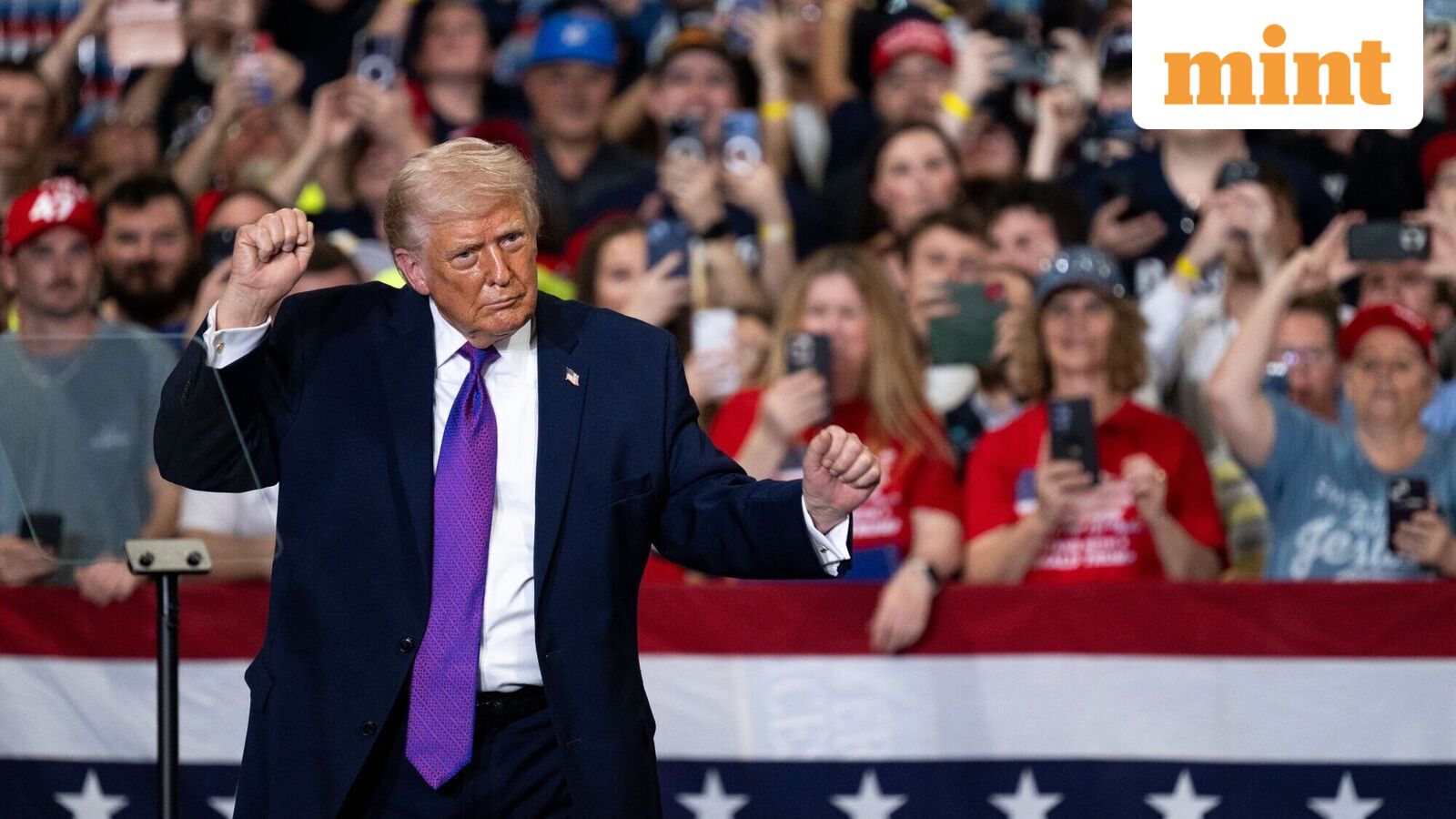
The US-Iran war has sent global crude oil prices surging past $100 a barrel, rattling the global economy and posing a political challenge for US President Donald Trump at home, especially ahead of the crucial midterm elections due in November.
Higher oil prices are already rippling through the US economy, lifting fuel and transportation costs and threatening to add to inflationary pressures just months before voters head to the polls.
According to a Reuters poll, even before the Iran war, US voters were already angry about the high cost of living and frustrated that Trump had not done more to address it. Therefore, it’s safe to assume that Democrats are likely to wage their campaign around the “affordability” issue.
The White House is therefore weighing a series of policy responses — from tapping emergency oil reserves to intervening in energy markets — to prevent the geopolitical crisis from turning into an economic liability at home.
Trump’s statements on how long the war could last are shifting swiftly. On Monday, he called the war “very complete” and a “short-term excursion.” However, later in the week, he said the United States had won the war but didn’t want to have to go back every two years, signaling the war could be drawn out. It has already entered its 13th day on Thursday.
Iran has made clear it intends to impose a prolonged economic shock, with the spokesperson for Iran’s military command saying in remarks directed at the US on Wednesday: “Get ready for oil to be $200 a barrel, because the oil price depends on regional security, which you have destabilised.”
What will Trump focus on after US-Iran war?
Undoubtedly, regardless of how the war ends, oil will certainly be on Trump’s agenda ahead of the midterm elections. Furthermore, analysts say managing dollar strength, given Trump’s MAGA message and ensuring a low-interest-rate regime will also be key focus areas.
How Washington balances these priorities could shape not only global markets but also the political narrative heading into the midterm elections.
1. Focus on oil prices
Current oil market volatility is largely driven by the ongoing US-Iran tensions and concerns over potential disruptions through the Strait of Hormuz, a critical route through which a fourth of global oil supply passes.
As the crude prices have moved past the $100 per barrel mark, Washington will likely focus on preventing a prolonged supply shock, said Ponmudi R, CEO of Enrich Money.
“With the US midterm elections approaching in November 2026, President Donald Trump will likely prioritize stabilizing crude oil prices, as sustained spikes could accelerate inflation and hurt consumer sentiment ahead of the polls,” he said, adding that historically, rising gasoline prices have had a direct political impact in the US, making energy costs a sensitive issue during election periods.
Among the steps that Trump could deploy are: increased output by the Middle East and strategic release of reserves.
Nitant Darekar, Research Analyst at Bonanza, said that he expects the Trump administration to lean on Saudi Arabia and Gulf allies to increase output, release strategic petroleum reserves, and signal de-escalation to cap Brent below politically uncomfortable levels.
2. Batting for lower Fed rates
The current administration has repeatedly called for lower interest rates, with Trump often seen publicly criticizing US Fed chair Jerome Powell, whose term ends on May 15, for not cutting rates. Trump has nominated former Fed governor Kevin Warsh to replace Powell.
Anuj Gupta, a SEBI-registered fundamental equity analyst, told Mint that a lower inflation would allow the US administration to go for the US Fed rate cuts that Donald Trump has been batting for ever since he took over the White House from his predecessor Joe Biden.
A lower interest rate will support his winning ability in the upcoming mid-term US polls, as higher liquidity would enhance the paying capacity of the US citizens, Gupta added.
3. Managing US dollar strength
Trump’s campaigns have focused on the theme of “America First”, and a weak US dollar would not suit his position. However, Trump’s policies have pressured the US dollar in the past as economies and central banks dump the greenback for gold.
Last year, the dollar index had dropped almost 10%, marking its worst performance since 2017. A weaker greenback reduced the purchasing power of Americans and also fuels inflation.
While the latest Middle East crisis has pushed the dollar to its highest level this year, Darekar believes that a weaker US dollar would undermine the “America is strong” narrative, pushing the Fed toward a more hawkish-leaning posture, or at a minimum, constraining any dovish pivot.
“Watch for coordinated messaging between the White House and Treasury to reinforce dollar stability as a geopolitical signal,” he added.
Disclaimer: This story is for educational purposes only. The views and recommendations made above are those of individual analysts or broking companies, and not of Mint. We advise investors to check with certified experts before making any investment decisions.