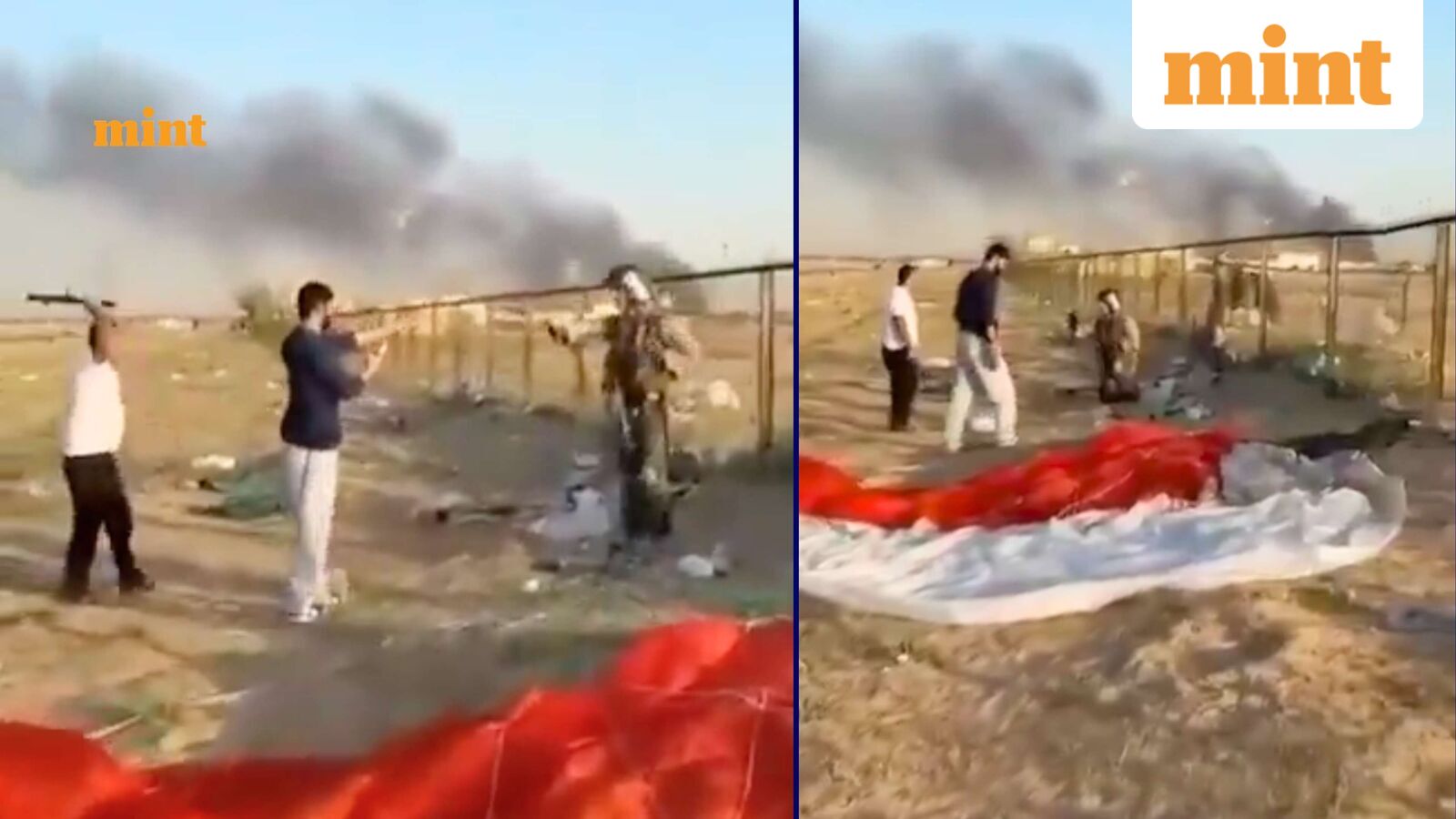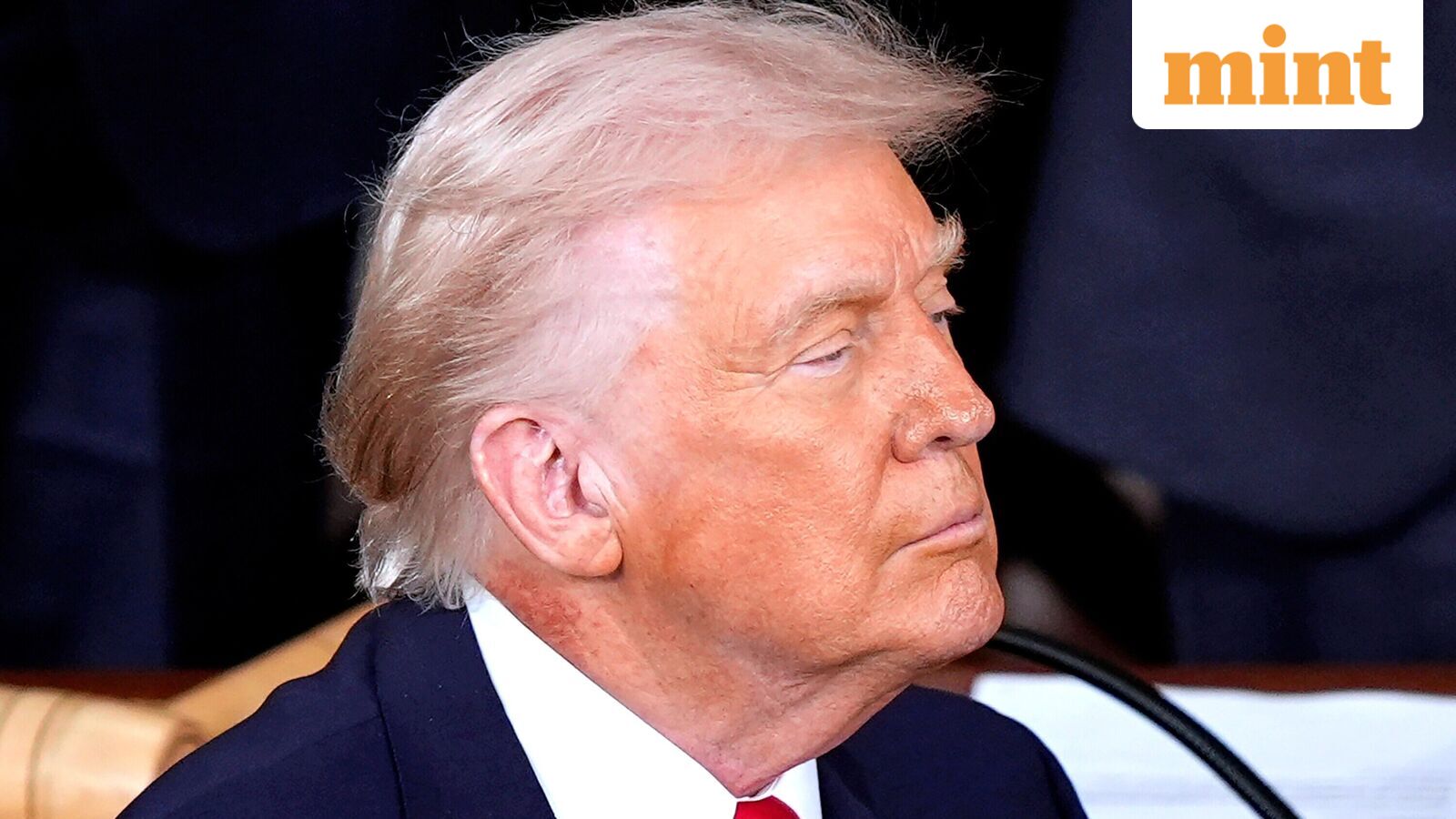
In his first live address since authorizing direct strikes on Iran, President Donald Trump said the United States initially prepared for four to five weeks of sustained combat, but asserted that the campaign is already progressing “substantially ahead” of schedule. The remarks signal an intensifying US-Israel military effort across the Middle East, even as officials decline to clarify its precise scope or duration.
Speaking at a Medal of Honor ceremony at the White House, Trump framed the operation as both urgent and open-ended, emphasizing that military planners had anticipated a longer timeline. The intervention, launched under the codename Operation Epic Fury, has drawn retaliatory Iranian strikes that have killed four American service members.
Uncertain timeline amid evolving battlefield dynamics
Trump’s statement introduces yet another possible timeline for the conflict, reflecting a pattern of strategic ambiguity. “President Trump has all the latitude in the world to talk about how long it may or may not take — four weeks, two weeks, six weeks. It could move up. It could move back,” Secretary of Defense Pete Hegseth said at a Pentagon press conference on Monday.
Pete Hegseth and Joint Chiefs of Staff Chairman Gen. Dan Caine cautioned that the operation would require time, while declining to specify operational milestones or exit criteria.
At the White House, Trump underlined both speed and resolve. He said the initial military blueprint envisioned four to five weeks of operations but insisted that current progress had exceeded expectations. Nevertheless, he stressed that the United States is prepared to sustain the offensive “as long as necessary.”
“Ferocious, unyielding resolve” after American casualties
The address came against the sombre backdrop of American fatalities. Six US service members have been killed by Iranian retaliatory strikes since the campaign began.
“In their memory, we continue this mission with ferocious, unyielding resolve to crush the threat this terrorist regime poses to the American people,” Trump said.
The deaths mark a significant escalation in a conflict that is already rippling across global markets and diplomatic corridors.
Oil prices surge as Strait of Hormuz shipping stalls
As missile exchanges intensified across the region, oil prices climbed sharply over the weekend — rising from approximately $70 to nearly $80 a barrel. Commercial shipping through the strategically vital Strait of Hormuz has reportedly ground to a halt, raising fears of prolonged disruption to global energy supplies.
With strikes and counter-strikes unfolding across multiple theaters, analysts are confronting a wide array of uncertainties, from the resilience of Iran’s military infrastructure to the durability of US political support for a sustained campaign.
Trump outlines four objectives for US in Iran
In his address, Trump articulated four explicit objectives for the war effort.
- “First, we’re destroying Iran’s missile capabilities and you see that happening on an hourly basis and their capacity to produce brand-new ones.”
- “Second, we’re annihilating their Navy. We’ve knocked out already 10 ships. They’re at the bottom of the sea.”
- “Third, we’re ensuring that the Iranian regime cannot continue to arm, fund and direct terrorist armies outside of their borders.”
- “And finally, we’re ensuring that the world’s number one sponsor of terror can never obtain a nuclear weapon.”
The clarity of the objectives contrasts with the ambiguity surrounding duration and end-state. While the Trump administration has outlined tactical aims — degrading Iranian missile systems, neutralizing naval assets, disrupting Iran’s proxy networks, and preventing nuclear development of Tehran — it has not specified what would constitute strategic success.
Diplomatic breakdown and “last best chance”
Trump justified the timing of the strikes by describing them as “the last best chance” to eliminate what he characterized as the Iranian threat. He contended that a diplomatic agreement had unraveled at the final moment.
“We thought we had a deal and they backed out,” he said.
President Trump also claimed he had previously warned Tehran not to reconstruct nuclear facilities following earlier strikes, asserting that Iranian leaders ignored the warning and continued to pursue nuclear weapons capabilities.