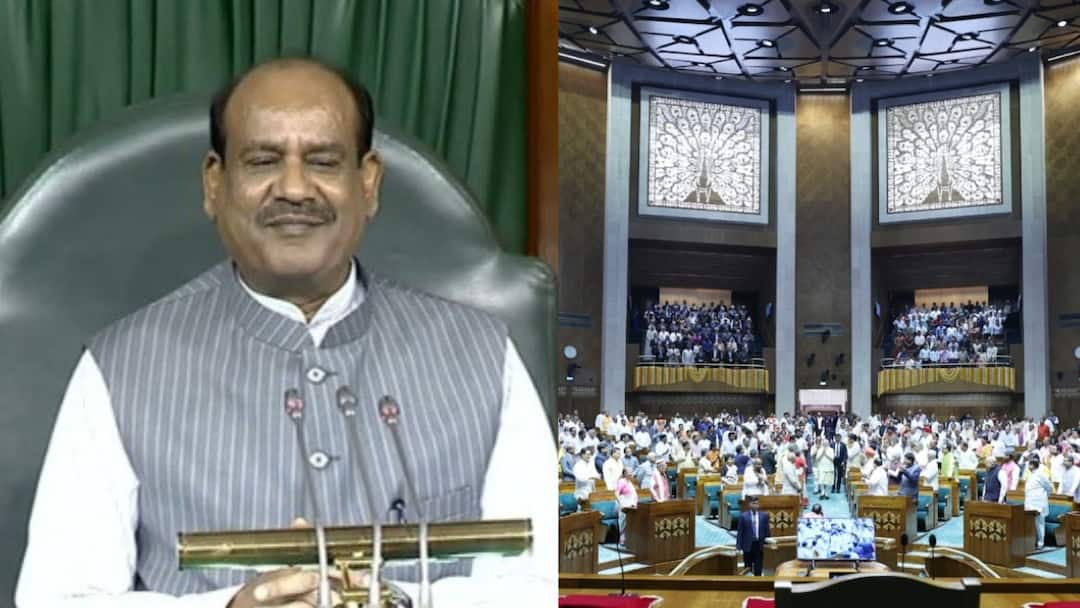
Om Birla News: Lok Sabha Speaker Om Birla has announced the formation of “Friendship Groups” in Parliament to give a new direction and global expansion to Indian parliamentary diplomacy. The most special thing about this initiative is its inclusive structure, in which everyone from young MPs to 80 years old veteran leaders have been given the command.
Under this scheme of the Lok Sabha Speaker, while on one hand young faces like Shrikant Shinde have been brought forward, on the other hand, experienced and senior leaders like P. Chidambaram have also been given important responsibilities. This step is being seen as a ‘bridge of generations’ within the Parliament.
Unique combination of experience and energy
Young MP: Will bring innovation with new thinking, modern technology and global outlook.
Senior Leader: Parliamentary traditions, complex diplomatic nuances and decades of experience will guide us.
What are friendship groups and why are they special?
Parliamentary Friendship Groups are actually such informal forums which become a medium of communication between the MPs of two countries. Beyond formal government channels, these groups emphasize ‘people-to-people’ connections and personal relationships.
Bilateral Strength: To deepen political and cultural relations with different countries.
Extension of Soft Power: Promotion of India’s culture, art and democratic values on the global platform.
Mentorship Culture: To give the youth who become MPs for the first time an opportunity to work with experienced veterans.
Global Challenges: Creating a common stance on topics like climate change, trade and technology.
India’s interest above party politics
These groups have not been formed keeping any particular party in mind, but keeping national interest paramount. By handing over the leadership of these groups to leaders of both the ruling party and the opposition, Om Birla has given the message that when it comes to international relations and representation of India, Indian democracy speaks with one voice. This initiative is not limited to diplomacy alone, but is an effort to develop a culture within the Indian Parliament where respect for experience and enthusiasm of youth can come together to strengthen the country on the global stage.”
Through ‘Friendship Groups’, India is now ready to share its parliamentary dignity with other countries of the world and open new doors of mutual cooperation. This model will not only prove helpful in foreign policy, but will also create a constructive and cooperative environment among the parliamentarians in the times to come.