

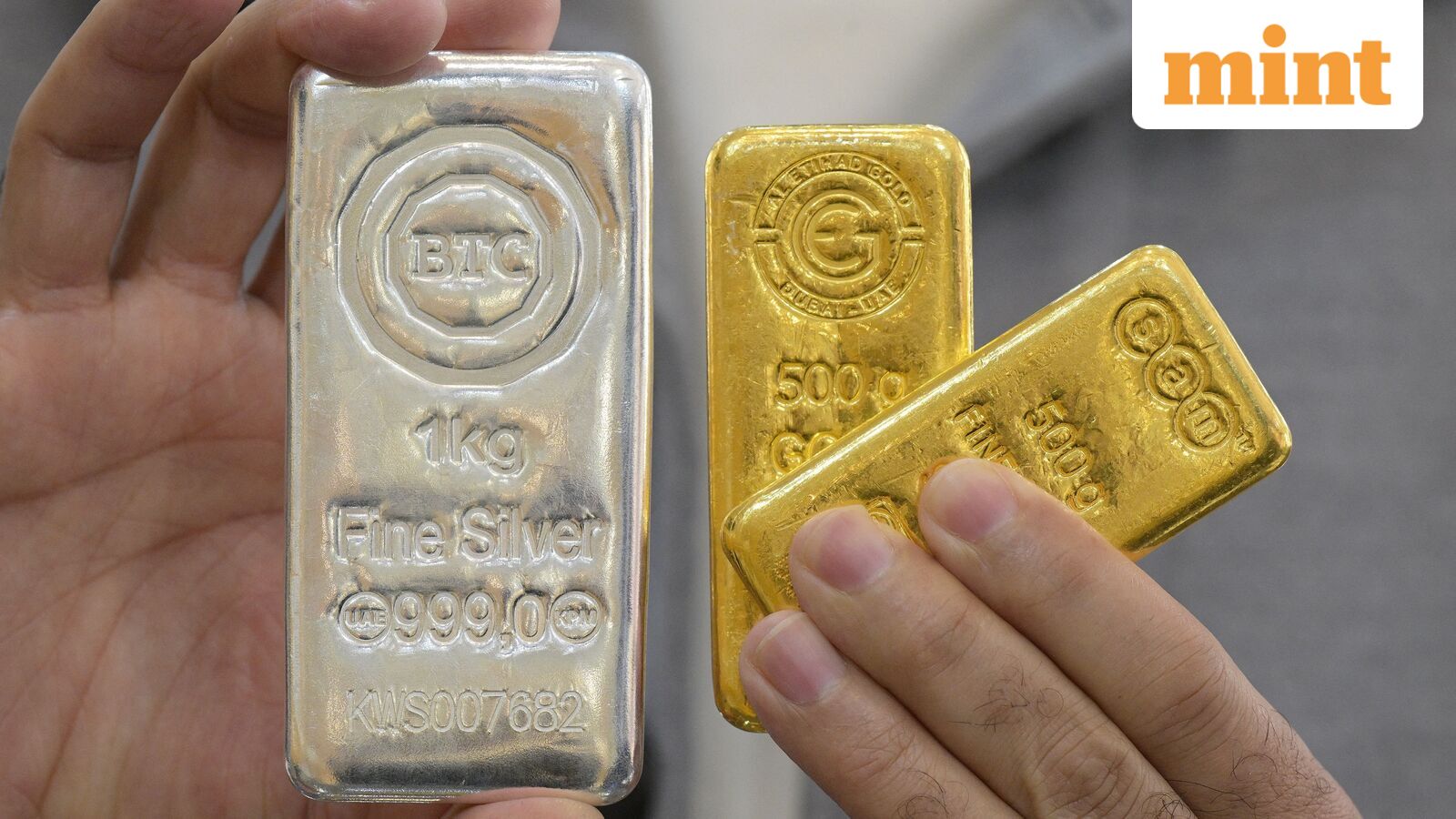
Gold-silver ratio: The sharp rally in silver prices of 200% in the last 12 months has eclipsed gold’s 80% rise and compressed the well-tracked gold-silver ratio.
Silver price outperformance has compressed the gold–silver ratio from pandemic highs of 127 to 50 at the start of 2026. The gold–silver ratio suggests how many ounces of silver can be used to purchase an ounce of gold. A higher ratio would indicate that silver is cheap. If the ratio is lower, some investors may pivot to gold, suggesting gold could rise more.
In April 2025, selling 1 kg of gold would fetch roughly 110 kg of silver. Today, that same 1 kg of gold gets you only about 47 kg of silver. This is not a marginal move — it represents a structural repricing of silver relative to gold, said Harshal Dasani, Business Head at INVAsset PMS.
“Historically, such a rapid decline in the ratio has occurred during late-stage precious metals bull markets, when silver begins to outperform sharply after gold has already established a strong trend,” Dasani added.
Currently, both gold and silver prices trade at record high levels. Gold rate today crossed $5,100 per ounce while silver hovered at $108.
What does a slump in gold-silver ratio mean?
The fall in the gold-silver ratio has two implications. One, is that investors are realizing the full potential of silver, and secondly, a possible outperformance of gold going ahead.
Silver is witnessing a dual demand surge, as it is acting both as a monetary hedge and as a critical industrial metal tied to solar, EVs, and grid infrastructure.
The gold–silver ratio has a long-term average near 70 and is currently near 50, placing it near lower levels. Such levels have historically been unsustainable, with the ratio reverting to higher over time, suggests a report by domestic brokerage Motilal Oswal Financial Services. A move back toward 65–70 would imply relative outperformance of gold, supporting a higher allocation to gold as a risk-managed positioning, as per the brokerage.
While silver retains strong long-term upside driven by industrial demand and supply constraints, near-term risk-reward has become more unbalanced, commodity analysts Navneet Damani and Manav Modi said in a note.
“While we remain positive on both metals and silver continues to have long-term upside backed by industrial demand and tight physical market conditions, the recent rally has also increased near-term volatility. In this phase, a higher allocation to gold can help manage fluctuations while staying invested in precious metals,” they added.
However, Dasani of INVAsset PMS believes that the silver outperformance is expected to continue amid supply shortages. He sees the ratio further falling to even levels of 40. Dasani said that even during past commodity bull cycles, the gold-silver ratio has slumped to levels of 30.
Gold continues to benefit from central bank accumulation and geopolitical hedging, but silver is now playing catch-up at an accelerated pace. Silver, he said, is transitioning from a laggard hedge into a leadership asset — a pattern that historically marks the most powerful phase of the metals cycle.
Disclaimer: This story is for educational purposes only. The views and recommendations expressed are those of individual analysts or broking firms, not Mint. We advise investors to consult with certified experts before making any investment decisions.

