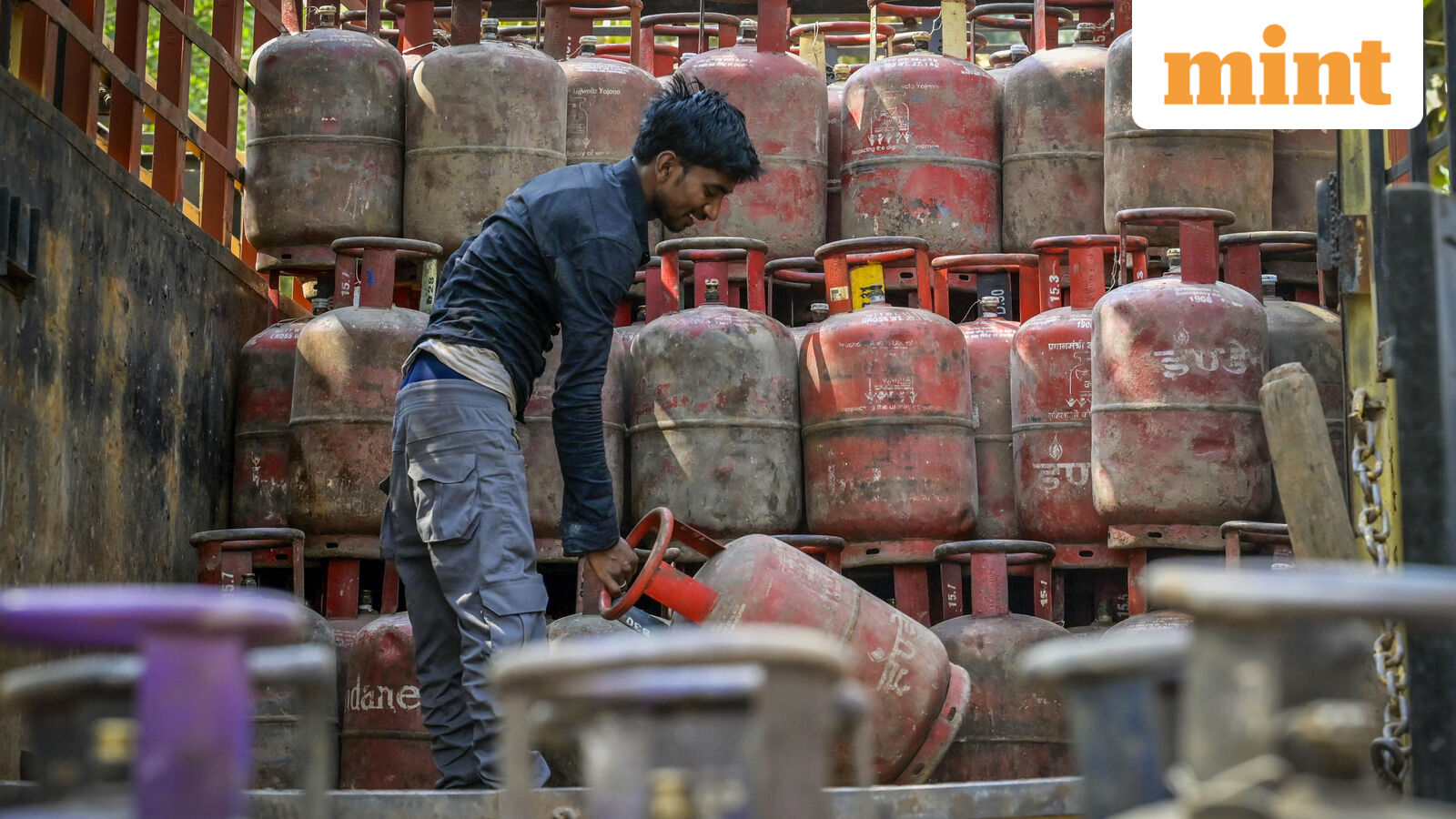
The Indian government has reportedly increased Liquefied Petroleum Gas (LPG) booking period from 21 to 25 days. Sources told ANI that to stop hoarding and black marketing, “LPG booking period has been increased from 21 to 25 days.”
The statement came following restrictions on the use of LPG components such as propane and butane amid the ongoing West Asia conflict.
Sources said, “There were instances where people who were earlier booking LPG cylinders in 55 Days started booking LPG cylinders in 15 days.”
The government also ordered refineries to boost LPG output, sources said, adding that an order has been issued to give priority to domestic LPG over commercial connections.
“Domestic consumers will always be a priority,” sources told. ANI.
They further claimed that the government is scouting for more LPG Partners. “Countries like Algeria, Australia, Canada, Norway have approached to sell LPG,” he added.
‘India unlikely to release oil reserves in G7 effort’
India is unlikely to contribute from its strategic petroleum reserves in the G7 effort, keeping in view the “India First” strategy, sources in the government told news agency ANI on Monday, March 9.
“India has no plan to release oil reserves in coordination with the International Energy Agency (IEA). India is unlikely to contribute from its strategic petroleum reserves in the G7 effort, as our strategy is ‘India First,'” sources were quoted as saying.
G7 meet on oil reserves
The statement by the sources in the Indian government came after finance ministers of G7 countries held a meeting to discuss a possible release of strategic oil reserves, as oil prices surged to more than $119 a barrel on Monday amid missile and drone attacks on Iran.
The Financial Times reported earlier that the finance ministers of G7, which also includes Canada, Germany, Italy, Japan, the United Kingdom and the United States, were scheduled to discuss a joint release of strategic oil reserves coordinated by the International Energy Agency (IEA).
The report said three G7 countries, including the United States, had so far backed the idea.
‘We are not there yet’ — G7 meet
After the G7 meeting, French Finance Minister Roland Lescure said G7 countries have not yet decided whether to release emergency oil reserves. “We are not there yet,” Lescure was quoted by Reuters as saying.
Earlier, Lee Hardman, a senior currency analyst at Japanese bank MUFG, told Reuters that a G7 release of strategic oil reserves “would offset around 2 to 3 weeks of normal Strait of Hormuz flows.”
“It would be a temporary fix to help prevent an even more disruptive surge in the price of oil in the coming weeks,” he added.
‘Oil rocketing above $100 a barrel’
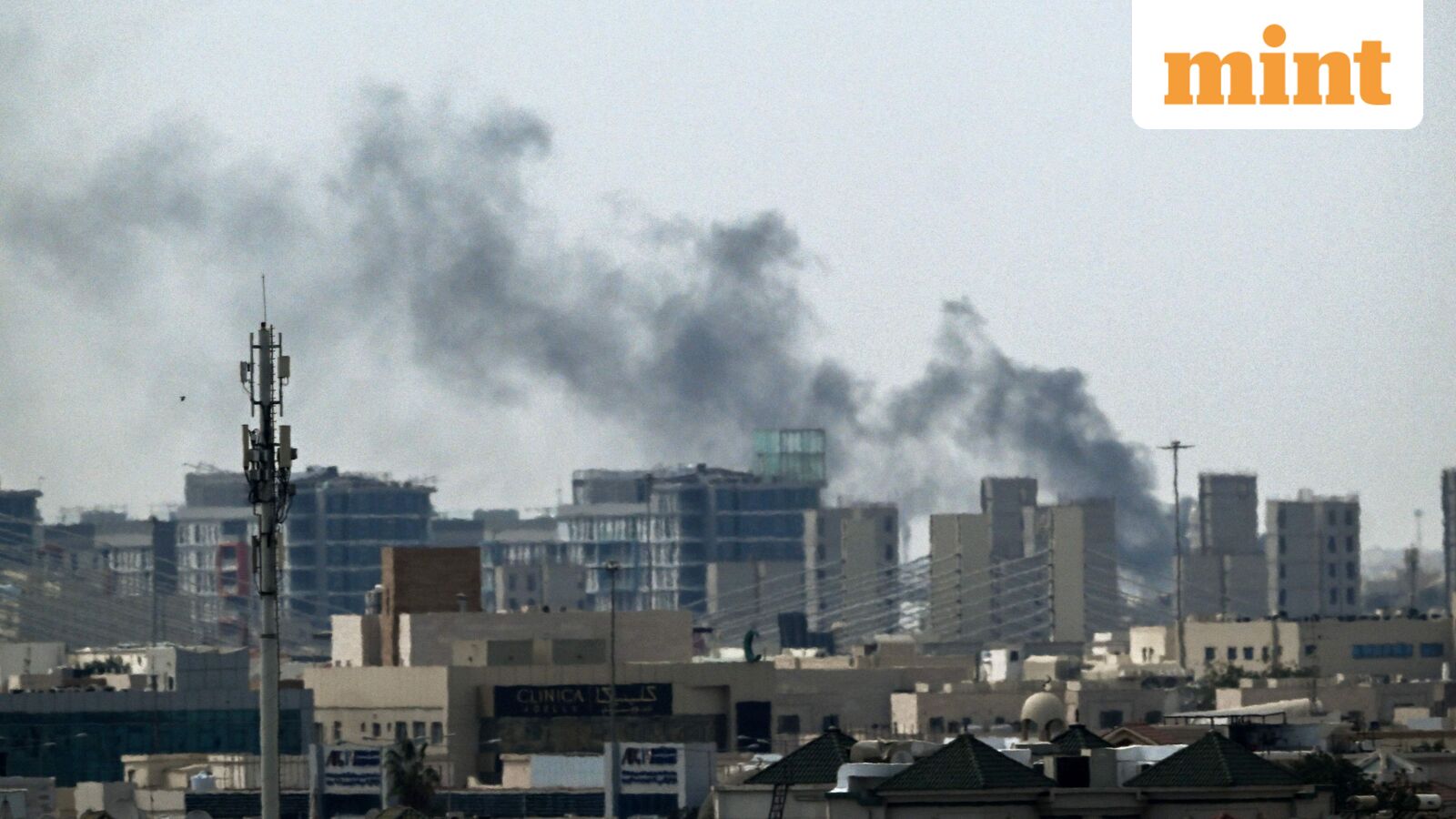
The war in Iran triggered by US-Israeli strikes is fueling fears for the global economy, with global stock markets sinking and oil rocketing above $100 a barrel for the first time since Russia’s invasion of Ukraine in 2022.
The halt to shipping through Hormuz — a narrow waterway that normally handles a fifth of the world’s oil — along with attacks on key energy infrastructure are among factors that have driven up prices of natural gas and diesel.
Kuwait and the United Arab Emirates started reducing output over the weekend as storage rapidly fills up due to the closure of Hormuz. Iraq began shutting down production last week. At its peak, global benchmark Brent spiked as much as 29%.