The Central government on Tuesday invoked the Essential Commodities Act, 1955 in order to maintain natural gas supplies amid supply shortages due to the ongoing conflict in the Middle East.
According to the order, the supply of natural gas to certain sectors shall be treated as priority. These sectors include Domestic Piped Natural Gas supply, Compressed Natural Gas for transport, LPG production including LPG shrinkage requirements, Pipeline compressor fuel, and other essential pipeline operational requirements, reported news agency. ANI.
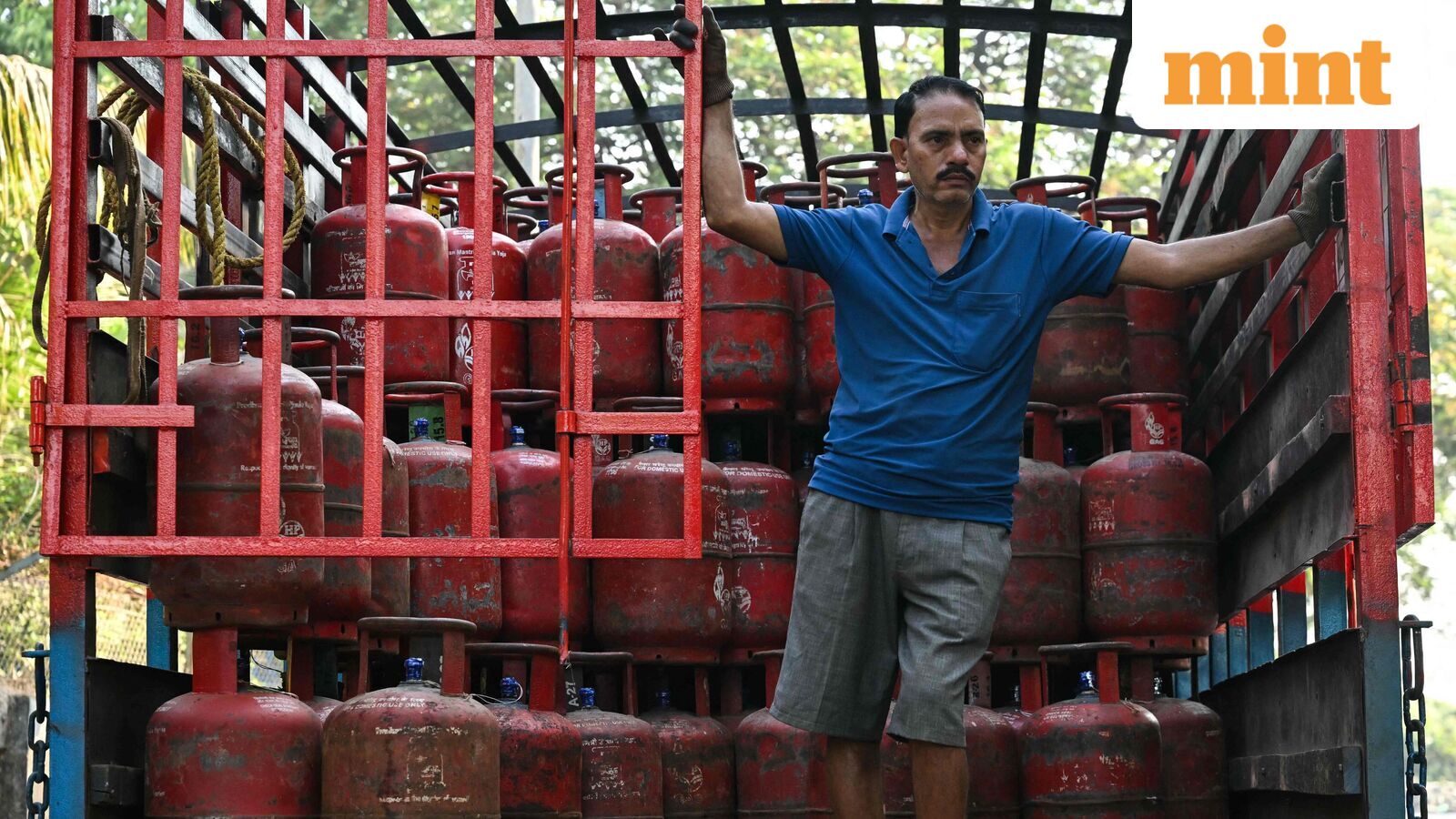
India has around 332 million active liquefied petroleum gas (LPG) consumers, and the government has invoked the Essential Commodities Act, 1955 to maintain an uninterrupted supply.
The move comes amid a reported shortage of commercial LPG gas cylinders across major cities such as Mumbai, Bengaluru, and Chennai.
What is the Essential Commodities Act, 1955?
The Essential Commodities Act was established to ensure the delivery of certain commodities or products, the supply of which if interrupted, could affect the daily lives of citizens.
The Act empowers the Central Government to regulate or prohibit the production, supply, distribution, trade, and commerce of commodities declared as “essential” (such as food items, fertilizers, drugs, and fuel), and is typically used to prevent hoarding, black marketing, and artificial shortages.
What powers does the government get under the act?
The most significant powers derive from Section 3 of the Act, which grants the Central government “powers to control production, supply, distribution, etc., of essential commodities”.
To that end, the government can regulate or even restrict the production and refining of a commodity if it deems such measures necessary.
Further, the Central government can also control the supply chain and direct how commodities are distributed across states.
The Act also allows the Central government to fix prices for essential commodities or impose price caps if market volatility hampers access for consumers to these commodities.
Further, under the Act, the Center also has the ability to impose stock limits on traders, wholesalers or retailers in order to prevent hoarding.
Why has the Essential Commodities Act, 1955 been invoked now?
India is the world’s second-biggest importer of LPG, with the country consuming 33.15 million metric tonnes of LPG last year.
The bulk of this LPG demand is met through imports, and over 80% of LPG imports come via the strategic Strait of Hormuz, where vessel movements have effectively come to a halt due to the conflict in the Middle East, which was sparked on 28 February by joint strikes by US and Israel against Iran.
With trade through the Strait of Hormuz now effectively halted, major cities across the country including Mumbai, Bengaluru, and Chennai are facing shortages in the supply of commercial LPG cylinders, with the supply crunch particularly affecting the hospitality industry.
Hotel associations in the three aforementioned cities have already announced a wave of closures of eateries, with establishments struggling to get hold of commercial LPG cylinders.