

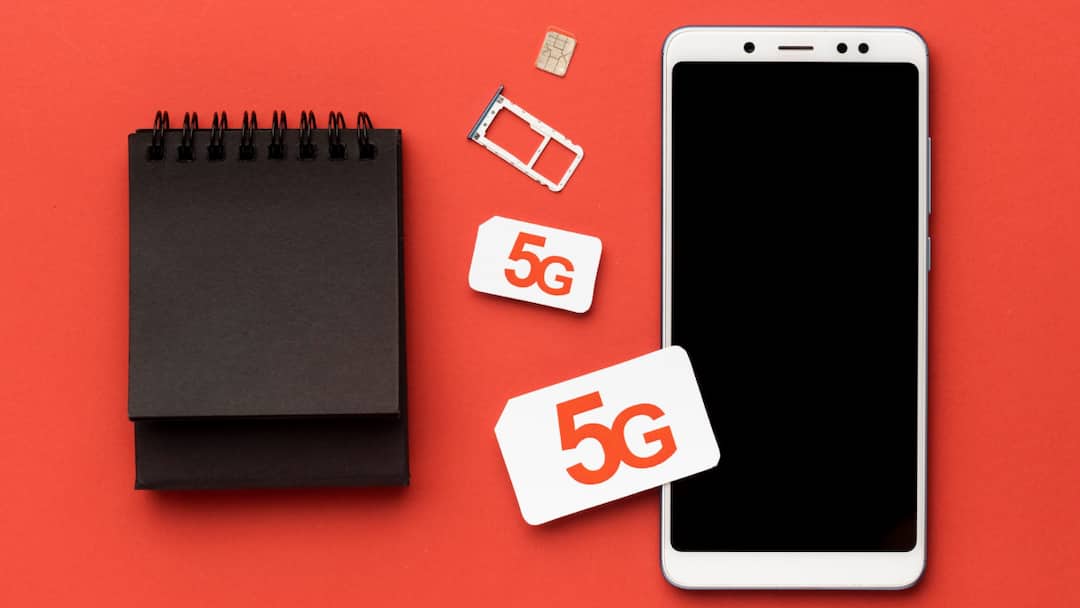
There was a time when only one SIM could work in the phone. Many tricks had to be made to use the second SIM. Now with the advancement of technology, two SIMs can be used easily in one phone. Nowadays most phones come with dual SIM support. With this, people do not have to keep two separate phones for personal and professional work. But have you wondered how dual SIM phones work and what are their advantages and disadvantages? Today we have brought answers to these questions.
How do dual SIM phones work?
Dual SIM Dual Standby (DSDS)- This is the most common setup of dual SIM phones, in which both SIM cards are on standby. That means both are ready to receive phone calls and texts. However, when one SIM is in active use like calling etc., the other one goes offline. This setup relieves you from the hassle of having two separate phones, but in this you cannot actively use both the SIMs at the same time.
Dual SIM Dual Active (DSDA)- This setup is one step ahead of DSDS. As the name suggests, in this both the SIMs remain active all the time. In this, calls can be received on the second SIM even if the first SIM is busy. This setup is useful for those people who are constantly busy on different calls. This setup is a little more expensive than DSDS and it also consumes more battery.
Advantages and disadvantages of dual sim phone
Advantages-
- There is no hassle of keeping two phones and it is also travel friendly.
- Services of two providers can be used on the same phone.
- If there is no network in one SIM, another can be used.
Loss-
- It is a bit difficult to setup and manage a dual SIM phone.
- It costs more and it also consumes more battery.
- There is an issue of data speed on the secondary SIM.
- In many phones, the secondary SIM is placed in the memory card slot. Therefore there is no option to insert a memory card.
Read this also-
Many features including AI Siri can be found in Apple’s iOS 26.4 update, know what else you will get

