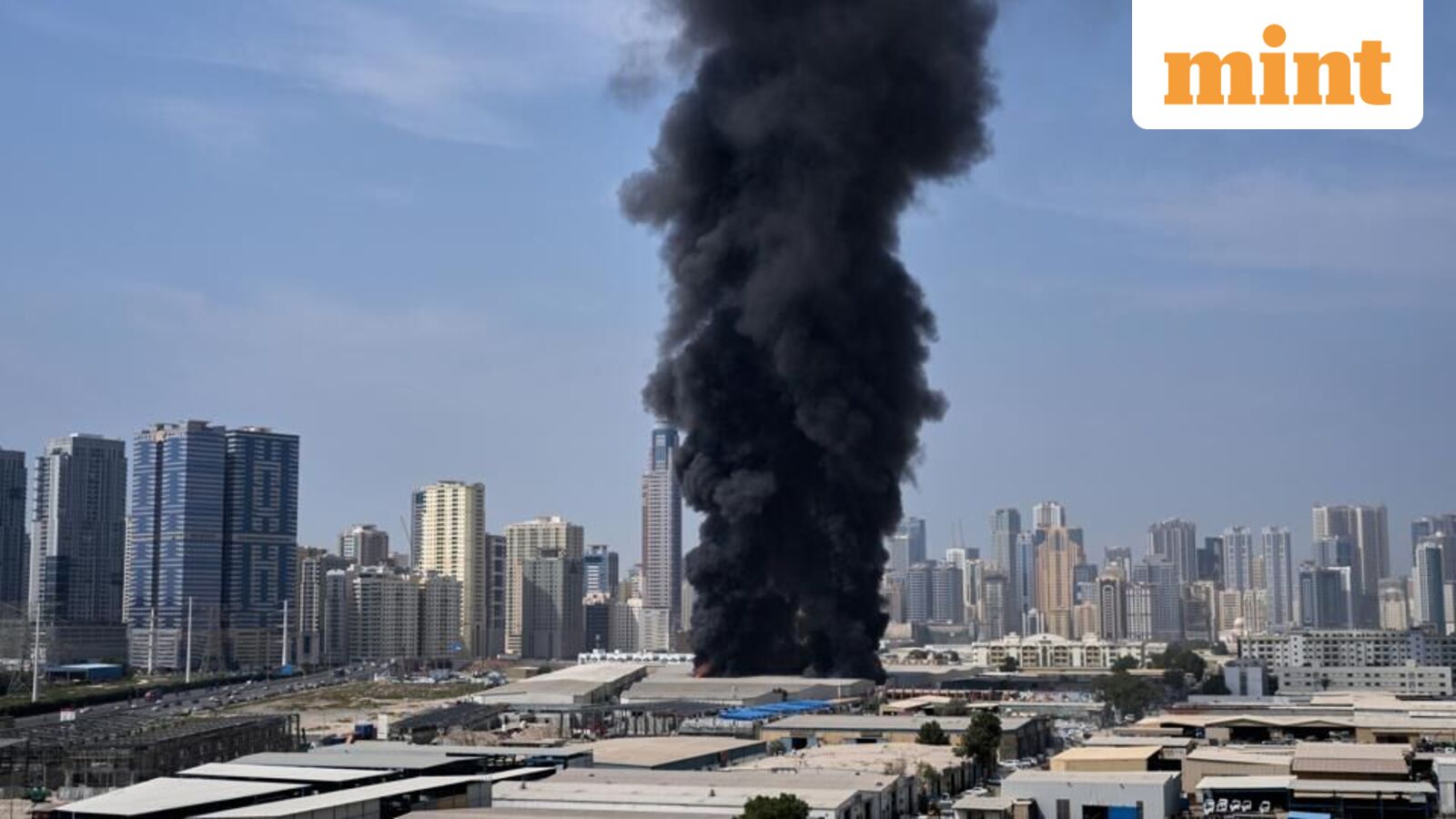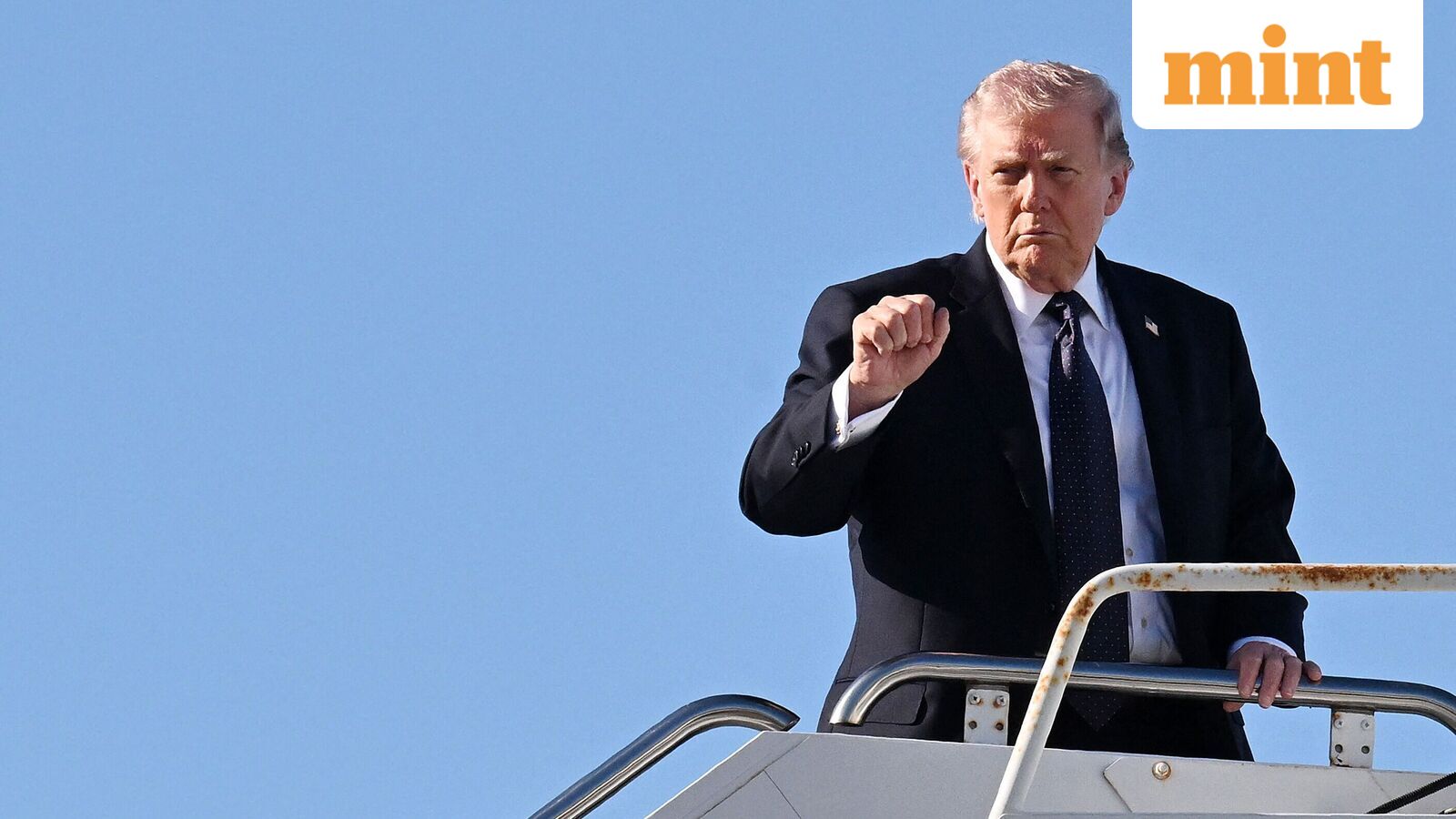
The operation — a joint undertaking between the United States and Israel, code-named Operations Epic Fury and Roaring Lion — was, by any measure, the largest aerial assault ever carried out by the Israeli military. It was also the culmination of a strategy that was, from the outset, running two tracks at once: diplomacy and war, in parallel.
According to accounts reported by axiosthe joint operation emerged from a two-month strategy in which Washington DC simultaneously pursued nuclear negotiations with Iran while preparing for large-scale military action.
Officials cited by axios described the crisis as “classic Trump — full of twists, last-minute reversals and deliberate disinformation,” with uncertainty itself functioning as a strategic tool that left Iran’s leadership exposed to what became the largest aerial assault ever carried out by Israel’s military.
Mar-a-Lago, Late December: Where the Plan Began
The origins of Saturday’s strikes on Iran lie in a meeting between US President Donald Trump and Israeli Prime Minister Benjamin Netanyahu at Mar-a-Lago in late December, as anti-regime protests were just beginning to stir across Iran, reports axios.
Netanyahu arrived with plans already in hand for a follow-up to the previous year’s joint strikes — operations primarily targeting Iran’s ballistic missile capabilities — tentatively penciled in for around May, axios says. But within days of that meeting, the political landscape inside Iran shifted violently.
The regime’s crackdown was ferocious: thousands were killed. Trump posted on Truth Social urging protesters to seize government institutions: “HELP IS ON ITS WAY.”
On January 14, Trump came to the brink of ordering strikes. He pulled back — but only publicly. In the weeks that followed, the Mossad director visited Washington twice. The Israeli military intelligence chief and IDF chief of staff followed.
Geneva Was Never Going to Be Enough — And Washington Knew It
Even as military planning accelerated, the Trump administration opened a diplomatic channel. US and Iranian officials met in Oman in early February — the first direct contact since June’s twelve-day war. Netanyahu flew urgently to Washington to discuss red lines and the conditions under which a joint military strike would proceed if talks failed.
The administration’s two chief envoys, Jared Kushner and Steve Witkoff, were, as reported by Axios, “skeptical about the chances of getting a deal” from the very beginning. Yet officials stressed the Geneva talks were not, at the outset, purely performative. Trump, it is said, genuinely wanted to test whether military leverage could produce a deal on his terms. Iranian negotiators were told explicitly, as reported by Axios, that military strikes “would occur if we did not see real progress on a real deal very quickly.”
What changed the calculus irrevocably was the intelligence. A week before the Geneva meeting, US and Israeli planners had already identified a window: the coming Saturday, when Khamenei routinely convened his top aides above ground at his government compound. Keeping him there — unalarmed, unsuspecting — became a strategic imperative.
Three Red Lines Iran Would Not Cross
When Jared Kushner and Steve Witkoff flew to Geneva on Thursday, they already suspected what they would find. They went anyway. As reported by axiosthe meeting served a purpose: “That kept the Iranians believing diplomacy was alive.”
According to officials cited by axiosthree issues proved insurmountable.
nuclear enrichment: Washington proposed providing Iran with free civilian nuclear fuel indefinitely if enrichment activities ceased. Tehran rejected the offer. “It was a big tell,” one official said.
ballistic missiles: Iranian negotiators refused to discuss missile production capabilities. One official stated, “We cannot continue to live in a world where these people not only possess missiles but the ability to make 100 of them a month in perpetuity, to overwhelm any potential defenses.”
Regional proxy financing: Iran also declined to negotiate limits on funding for allied militant groups across the Middle East.
Intelligence assessments further heightened distrust. Officials claimed Iran was rebuilding nuclear facilities previously described as destroyed and had accumulated enriched material at the Tehran Research Reactor under medical pretenses.
“Never once did they use any of the fissionable material there to make even a single medicine,” one official said. “It was all designed to deceive.”
Axios noted that these assertions could not immediately be independently verified.
The Final Hours: Oman’s Last Attempt, and a Question Left Unanswered
After Geneva, Oman’s foreign minister reportedly flew urgently to Washington in a last-ditch attempt, meeting Vice-President JD Vance on Friday to urge delay. It was too late. Trump had already decided.
When an Arab official asked Steve Witkoff directly on Friday whether an attack was imminent, the envoy deflected without answering.
On Saturday morning, Khamenei convened his advisers as US and Israeli planners had anticipated. The strikes came moments later.
“If the Iranians had come to Geneva and given Trump what he wanted, he would have pulled the brakes on the military track,” an Israeli intelligence official said, as reported by axios. “But they were arrogant and thought he wouldn’t take action. They were wrong.”