The war in West Asia is knocking on India’s kitchen. Strait of Hormuz closed, LPG tankers stranded and then the government was forced to remove a law which is rarely used in the oil sector. The government implemented the Essential Commodities Act, 1955 i.e. ECA on 5 March 2026.
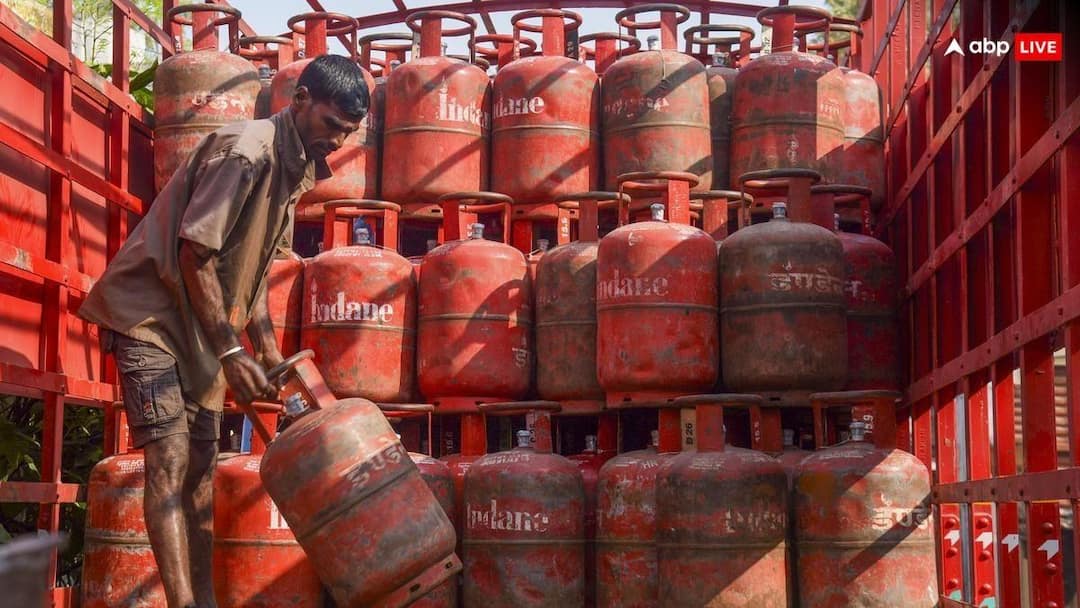
The Petroleum and Natural Gas Ministry ordered all the oil refineries in the country to use propane and butane only for making LPG. Now their use for petrochemicals has been stopped and the LPG produced should be supplied only to IOC, BPCL, HPCL so that cooking gas continues to reach more than 33 crore homes.
What is ECA and why is it called ‘Brahmastra’?
Parliament had passed this law in the year 1955. Under this, the government has the right to take over the production, stock, sale and price of any essential item. Petroleum and petroleum products have been included in this since the beginning.
Punishment for violation? Under Section 7, jail and fine ranging from 3 months to 7 years
This use of ECA is very less in the oil sector. Earlier in 2022, during the Russia-Ukraine war, it was implemented to prevent refiners from exporting and maintaining domestic supply, but such a direct production order is very rare for LPG. This is what makes it such a big signal.
Every year 3 crore 13 lakh tonnes of LPG is consumed in India. Out of this, only 1 crore 28 lakh tonnes is produced in the country – that is, about 58 percent is imported and 85-90 percent of that import comes through the Strait of Hormuz.
When this route was closed, LPG tankers stopped. According to government sources, India currently has an LPG buffer of about 25-30 days. On top of that, Qatar’s LNG facility was destroyed in drone and missile attacks, after which Petronet LNG declared force majeure on Qatar’s supply.
impact on industry
The largest ECA order has been placed on chemical industry. OPaL’s Dahej plant is in production disruption due to closure for propane and butane petrochemicals. GAIL has also issued force majeure notice. Domestic cylinder prices have already increased. In Delhi, the price of 14.2 kg cylinder has increased from Rs 853 to Rs 913. The shortage of commercial cylinders is different.
Brent crude is above Rs 92 and experts are saying that if the war continues for a long time, the relief may prove to be temporary. Right now household LPG is the priority of the government. We may have to wait for commercial supply, but when the 1955 law has to be removed, when force majeure is imposed, when orders come to the refineries, then this is not just a war in West Asia.