Iran’s Revolutionary Guards on Sunday claimed to have struck Israel’s Haifa refinery in retaliation to strikes by Tel Aviv targeting fuel facilities in Tehran.
“IRGC hits Haifa refinery in response to Israeli regime’s attack on Tehran refinery,” Iran’s more news agency reported.
The attack by Iran comes as exchange of fire between continues in the war, which erupted on 28 February after joint US-Israeli strikes hit Iran. So far, at least 1,230 people have been killed in the Islamic Republic, while more than 300 in Lebanon have died and around a dozen in Israel, according to officials cited by AP.
What we know about the attack
The public relations department of the IRGC issued also reportedly said in a statement on Saturday night that the attack on the Haifa facility was carried out with Kheibar Shekan missiles.
Air raid sirens had sounded earlier on Saturday in the area of Haifa, but there have been no reports in Israel of anything being hit, reuters said.
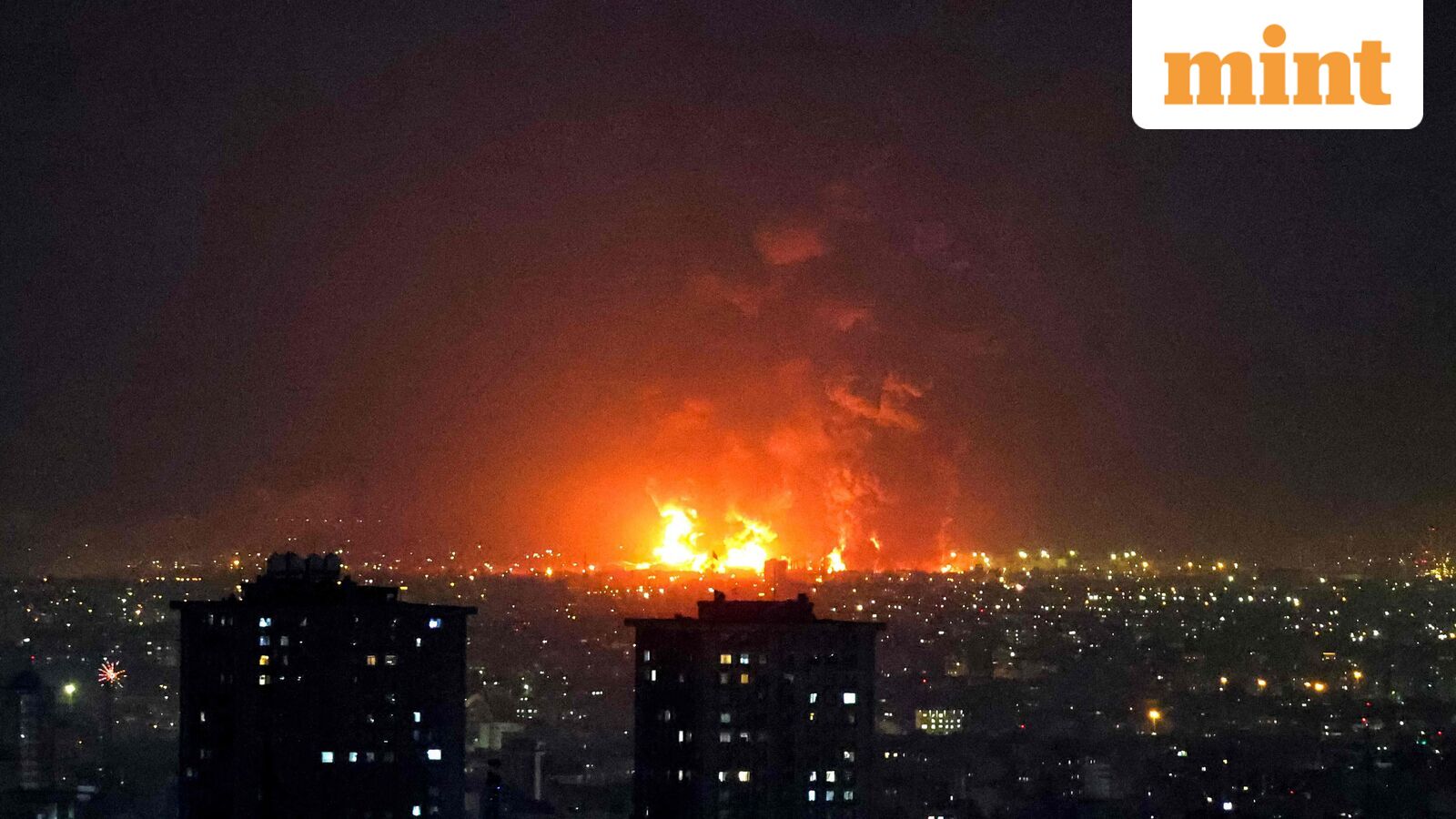
Videos circulated on social media, however, claimed to be visuals from the attack on the Israeli oil refinery.
mint could not independently confirm the authenticity of the video doing the rounds on social media.
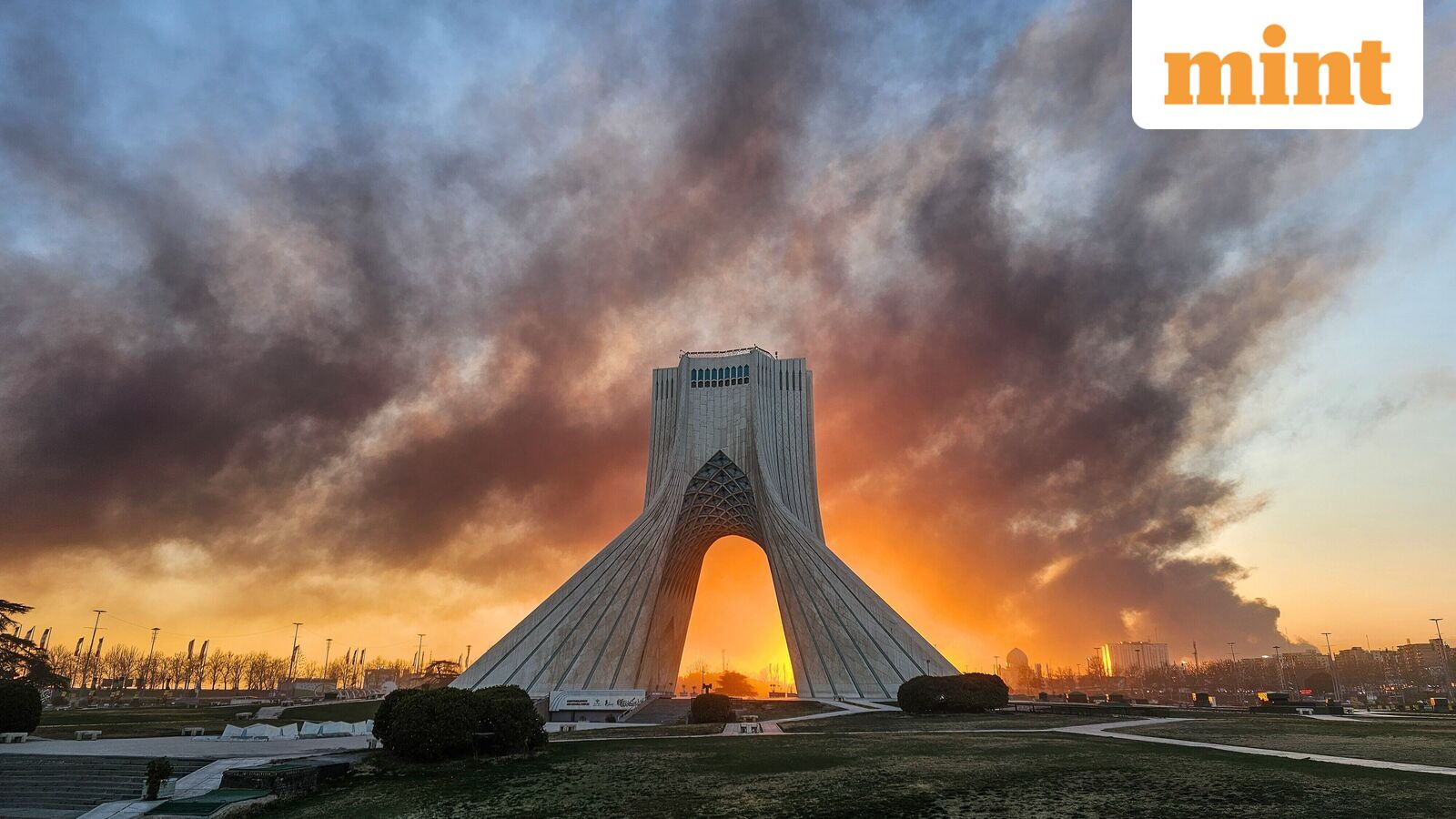
The IRGC’s attack, on which Israel has yet to comment, came hours after Tel Aviv carried out air strikes on oil depots in Tehran, with videos circulated on social media showing oil depots engulfed by massive flames and plumes of heavy smoke over the city.
The Israel Defense Forces (IDF) said it struck “several fuel storage complexes” in Iran’s capital on Saturday night, which the country’s National Iranian Oil Company later confirmed.
“Last night, four oil depots and a petroleum products transport center in Tehran and the Alborz were attacked by enemy aircraft,” the CEO of the National Iranian Oil Products Distribution Company Keramat Veyskarami told state TV, as per a report by AFP.
Why is the Haifa refinery important?
The Haifa refinery, operated by the Bazan Group, is Israel’s largest oil processing facility with a production capacity of 197,000 barrels per day (bpd), around 9.8 million tonnes of crude oil per year.
The refinery in Haifa supplies roughly 60% of diesel and 50% of gasoline consumed in the domestic transport market in Israel, according to a report by S&P Global.
Earlier, in June 2025, Tel Aviv had faced a fuel supply challenges during the Iran–Israel war when missile strikes on the Haifa facility left Israel without any operating refinery for a weeks.
Last year’s attack on the Haifa refinery killed three workers, injured dozens, and damaged key equipment, forcing a months-long shutdown.