Due to the increasing war between Iran-Israel and the Gulf region, there has been a big impact on India’s export-import and especially the agricultural export of Maharashtra. Due to halt in movement of ships at major trading centers like Jebel Ali Port of Dubai, thousands of tonnes of agricultural products are stuck and farmers and traders are suffering huge losses.
The increasing war between Iran, Israel and America in the Middle East has started having a direct impact on India’s international trade. Due to the impact on the movement of ships and operations of ports in the Gulf region, large quantities of agricultural products, rice, fruits, spices and other goods sent from India are stuck at the ports. Its biggest impact is on the farmers and exporters of Maharashtra.
More than 1,200 containers are stuck at JNPT
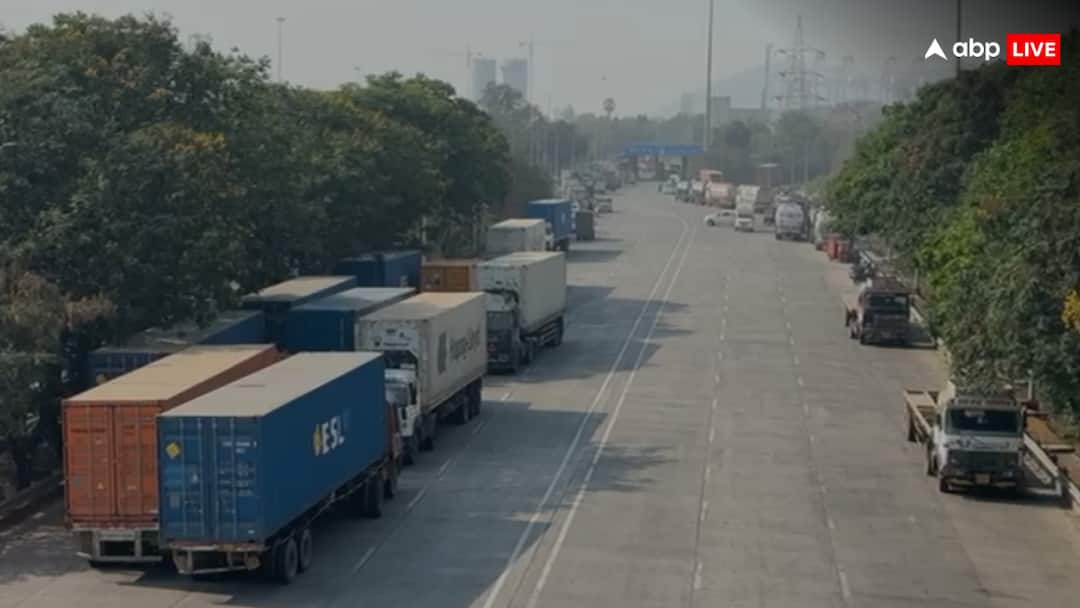
More than 1,200 containers bound for Europe via Gulf countries and Gulf countries are stuck at JNPT (Jawaharlal Nehru Port Trust) in Navi Mumbai. About 80 containers of grapes could not be loaded for Dubai at Jawaharlal Nehru Port (JNPT). More than 200 containers were sent from Nashik, but stopped outside the port. Due to the Middle East crisis, about 4 lakh tonnes of India’s Basmati rice is stuck in ports or in transit.
Similarly, about 800 to 1,000 containers sent from India are stuck at Jebel Ali Port in Dubai. These containers mainly contain grapes, bananas, pomegranates, watermelons, onions and other green vegetables. A large quantity of fruits and vegetables are exported from Maharashtra to Gulf countries. Since the start of the war, many shipping companies have stopped shipping or are experiencing delays.
How much was India’s exports affected?
To understand how India’s exports have been affected, ABP News correspondent Mrityunjay Singh reached Balaji Export in APMC Market, Navi Mumbai, where export trader Kishan Bhatia said in a conversation that many containers of Mirchi from India were to be sent to Dubai, but remained lying at JNPT port for 8 days and today on Monday (March 9, 2026) they have to be brought back to the local market and sold at half the price. Many exporters are forced to recall their goods. Many containers are being recalled from JNPT. To prevent spoilage, fruits and vegetables are now being sold at lower prices in the domestic market after suffering losses.
How much was India’s imports affected?
The war is affecting not only exports but also imports. 600 to 700 containers coming from Iran and Gulf countries are stranded on their way to India or at Dubai’s Jabel Ali Port. These mainly include apple, kiwi, dates, dry fruits. According to traders, one container of Kiwi costs around Rs 30-32 lakh. A container of dates costs around Rs 45 lakh.
To understand the impact of the war on imports, correspondent Mrityunjay Singh met Vijay Bhatia, owner of Meet International Imports in the APMC market. Vijay Bhatia said that the containers full of apples which were exported to India from Europe before the war, came to Mumbai market through JNPT port, but now the next consignment is stuck in the container.
He said that import traders are having to bear additional expenses. No insurance is applicable on perishable goods. The cost and insurance of the ship has also become expensive. Due to the war zone, shipping companies are avoiding taking risks. Marine insurance has become expensive and many ships are diverting.
He further said that the ongoing war in the Middle East has dealt a blow to India’s agricultural export system. Its biggest impact is on the farmers, fruit-vegetable exporters and traders of Maharashtra. If this conflict continues for a long time, it could have a major impact on agricultural trade, shipping costs and domestic prices.