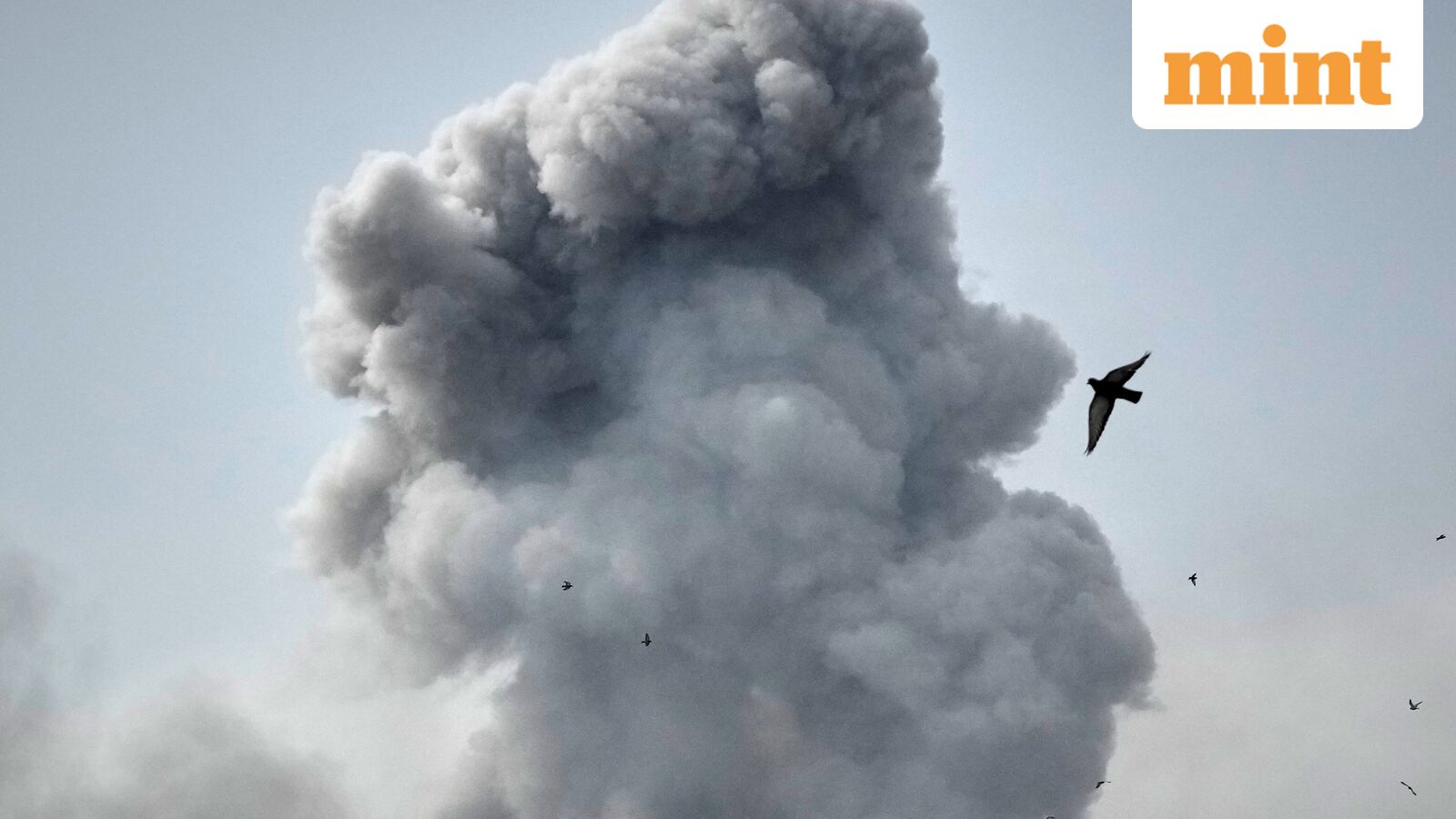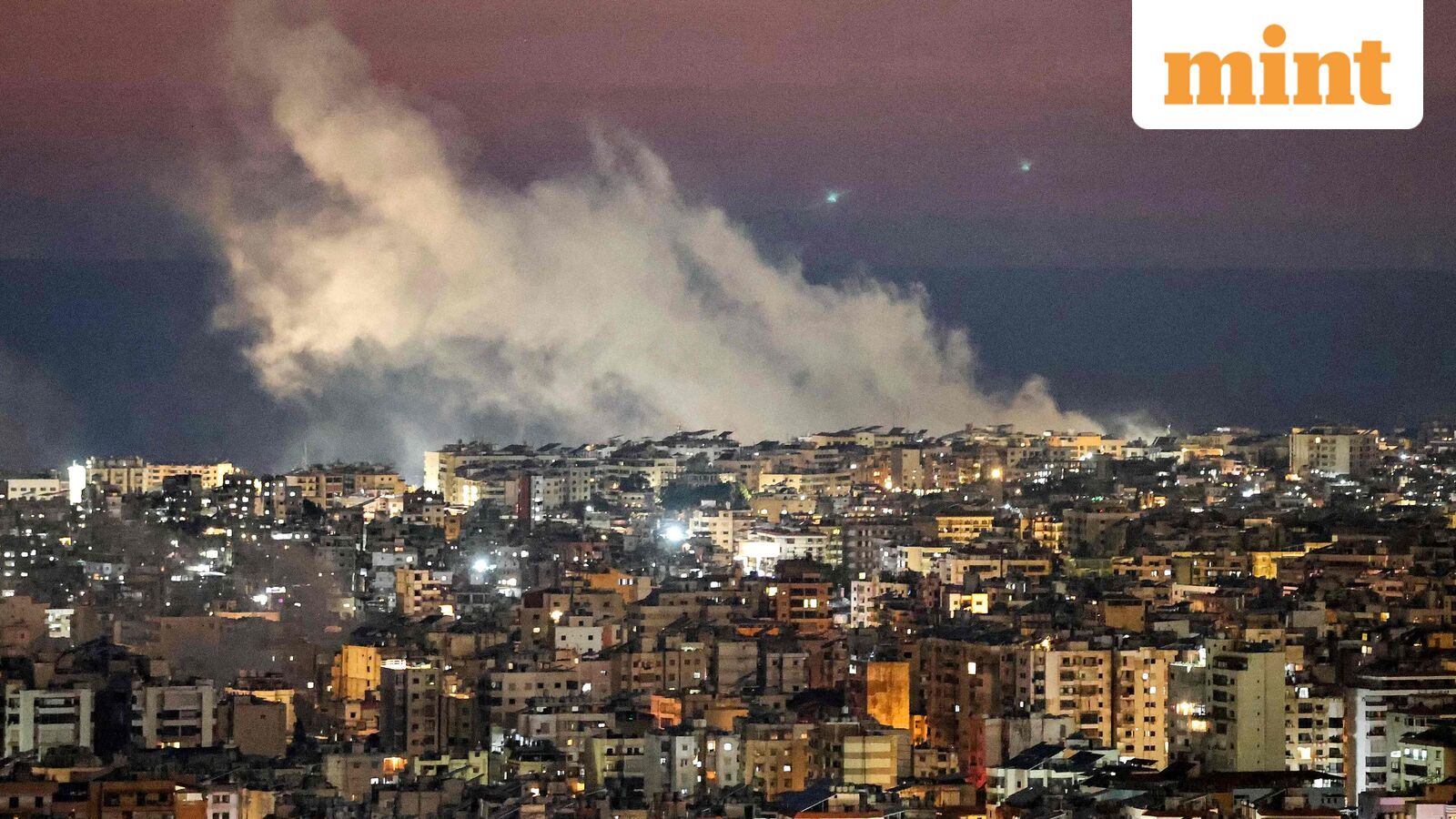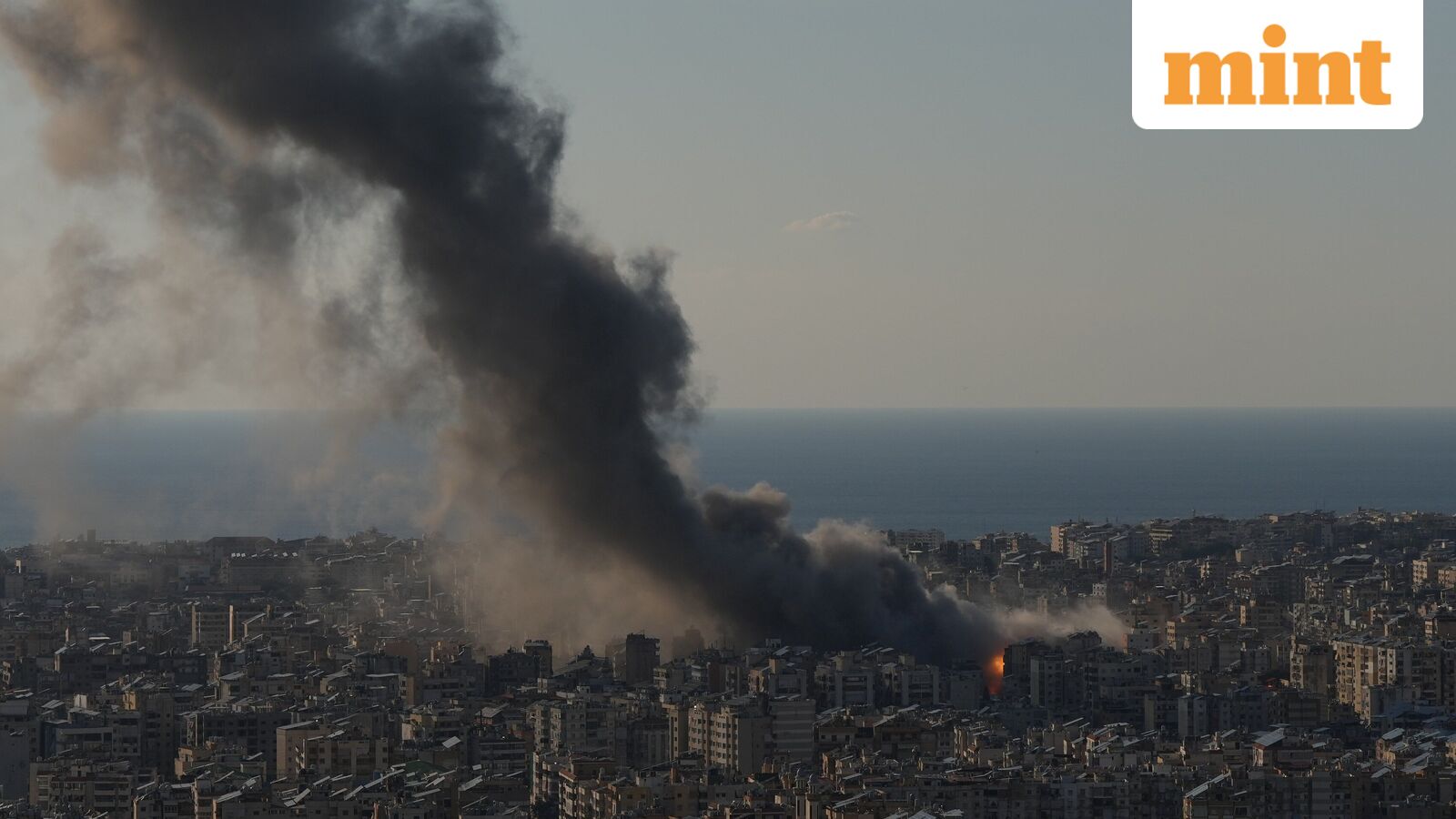
The Israeli military said on Monday that it conducted a targeted airstrike in Beirut, successfully eliminating a senior Hezbollah leader.
Loud explosions shook the capital on Monday evening as Lebanese state media reported fresh raids on southern suburbs. These strikes came after the Israeli military announced it had hit over 70 Hezbollah targets.
The operation in the southern suburb of Dahiyeh, follows a weekend of massive aerial offensives across Lebanon.
Lebanon’s National News Agency said that “Enemy warplanes launched new raids on the southern suburbs”.
Meanwhile, the Palestinian Islamic Jihad’s armed wing said on Monday that its commander in Lebanon was killed in Israeli strikes on Beirut’s southern suburbs.
In a statement, the Quds Brigades said Adham Adnan al-Othman, the head of the armed wing in Lebanon, was killed “as a result of the treacherous Zionist aggression that targeted the southern suburbs of Beirut, at dawn on Monday”.
The PIJ is an ally of both Hamas and Hezbollah.
Middle East Conflict Widens
The Middle East The conflict spiraled into a wider regional war on Monday as a joint US-Israeli offensive against Iran intensified.
Following a weekend of heavy bombardment that resulted in the death of Iranian Supreme Leader Ayatollah Ali Khamenei, Tehran and its regional proxies launched massive retaliatory strikes. These counterattacks targeted Israel, neighboring Gulf states, and critical global energy infrastructure.
The scale of the escalation, combined with the absence of a clear exit strategy, has established the framework for a prolonged conflict with devastating global implications.
Historically stable regional hubs like Dubai have come under direct fire, while hundreds of thousands of international travelers remain stranded worldwide due to massive airspace closures.
As global markets reacted to the volatility, oil prices spiked sharply, and several US allies pledged military support to intercept incoming Iranian drones and ballistic missiles.
US President Donald Trump indicated that active operations are expected to continue for four to five weeks, though he emphasized a readiness to extend the campaign indefinitely.
For years, Tehran had vowed that any direct attack would trigger a total war involving the targeting of Gulf Arab states and the disruption of crude oil flows essential to the global economy.
The chaotic nature of the conflict was underlined by a significant incident in Kuwait. The US military said that Kuwaiti air defenses mistakenly shot down three American F-15E Strike Eagles during a frantic attempt to intercept an Iranian assault.
As several airstrikes hit Iran’s capital of Tehran, the top security official Ali Larijani vowed on X: “We will not negotiate with the United States.”