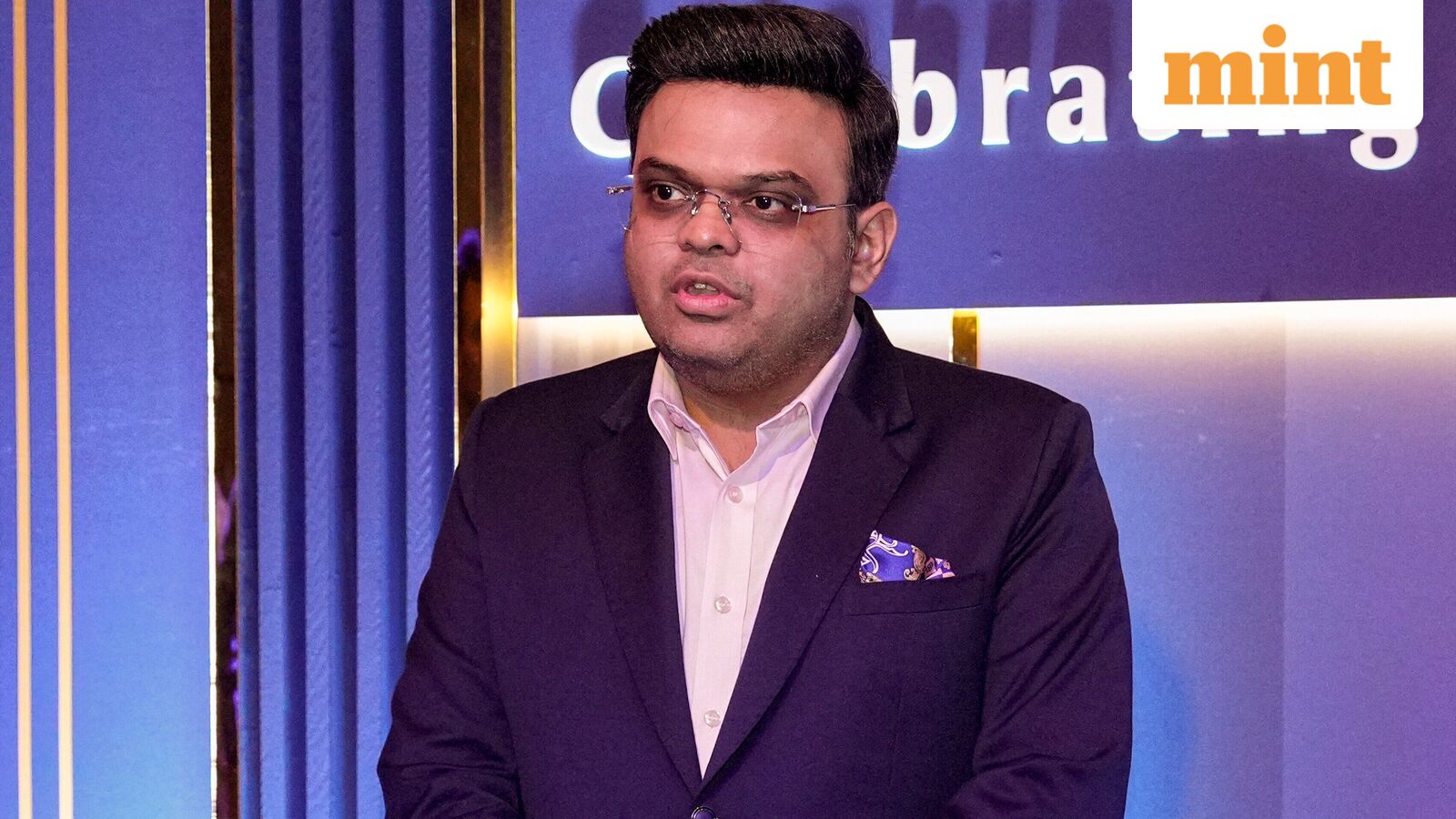
ICC Chairman Jay Shah has called on India’s sports stakeholders to shift focus beyond immediate successes and start strategic preparations for the major global events lined up between 2030 and 2036. Speaking at the Grand Sports Conclave during the Sports Journalists Federation of India (SJFI) Golden Jubilee National Convention, Shah stressed the need for early and coordinated planning to elevate India’s presence on the world stage.
Vision for future global events
The conclave, held on Day 3 at the India Habitat Center and organized by the Delhi Sports Journalists Association (DSJA), brought together key figures from sports administration, corporates, broadcasting, and media. Shah highlighted upcoming milestones, including the 2030 Commonwealth Games, the 2032 Brisbane Olympics, and the 2036 Olympics.
“While we focus on present competitions, we must also prepare for the future cycle, the 2030 Commonwealth Games, the 2032 Brisbane Olympics, and the 2036 Olympics. Planning for these events has to begin well in advance if India wants to strengthen its global sporting footprint,” Shah said.
He drew from cricket’s recent achievements to illustrate the value of forward-thinking strategies. Shah described the 2019-2026 period as a golden era for Indian cricket, with triumphs across formats and age groups.
“From 2019 to 2026 has been a golden period for Indian cricket. We have achieved success across formats and age groups, from U19 tournaments to major ICC competitions,” he said.
He praised the media’s role in capturing India’s T20 World Cup victory, noting, “When India lifted the World Cup, it was a proud moment for the entire country. Many of you traveled with the team and captured those memories for millions of fans.”
Collaboration key to building a strong ecosystem
Jay Shah emphasized that sustained growth requires teamwork among all parties involved. “The growth of sport depends on collaboration across stakeholders. Federations, corporates, athletes, and the media must work together to build a stronger ecosystem that can support Indian sport at every level,” he said.
Corporate leaders echoed this view. Sanjay Bhan from Hero MotoCorp pointed to the evolving landscape, where companies are investing deeply in leagues, grassroots programs, and professional platforms beyond traditional sponsorships.
“Over the past decade, we have witnessed a remarkable transformation in Indian sport. While cricket remains dominant, sports such as football, hockey, and golf are gaining international recognition,” Bhan said. He added that media coverage inspires youth: “Without your storytelling and coverage, the sports ecosystem cannot exist. You amplify achievements and create narratives that inspire millions of young people across the country.”
Neville Bastawalla from Sony Sports Network shared how campaigns like ‘Mission 100’ for the Asian Games built national belief, leading to India’s 107-medal haul. “Campaigns and storytelling around sport help create belief among fans and athletes alike. When the media supports a larger vision for Indian sport, it can inspire athletes and bring the entire country together behind their success,” he said.
Governance and accountability for corporate investment
Remus D’Cruz from Apollo Tires stressed the importance of transparent governance in sports bodies to attract more funding. “Sports media must hold a mirror to federations and call out wrongdoing where necessary. That accountability is important for the growth of sport,” D’Cruz said.
He noted that better practices at the local and state levels would encourage greater corporate involvement. “Local sports bodies must improve governance and build trust with stakeholders. Once that happens, many more companies will be willing to invest and support the growth of sport,” he added.
The conclave served as a platform for meaningful dialogue on India’s sporting future, uniting voices to push for a collaborative, well-planned approach ahead of the 2030-2036 cycle.