


Kerala News: The Nilgiri district administration has become completely alert after the spread of avian influenza (bird flu) in some districts of Kerala. In view of the risk of infection, a temporary ban has been imposed on chickens and all their related products brought from Kerala to Nilgiris. The district administration has clarified that this step has been taken as a precautionary measure, so that the disease does not spread in the Nilgiri district.
Avian influenza confirmed in Kerala
There were frequent deaths of chickens and ducks in poultry farms in some parts of Alappuzha and Kottayam districts of Kerala. After this, the Animal Husbandry Department sent the samples to the High Security Animal Disease Diagnostic Laboratory located in Bhopal. Investigation confirmed H-1, N-1 avian influenza infection. After this, the sale of chicken, quail meat and eggs was banned in the affected areas.
In view of the threat of avian influenza, the Nilgiri district administration has established 7 check posts on the Kerala border and 1 check post on the Karnataka border. A total of 8 places are being monitored. A team has been deployed at these check posts under the leadership of Veterinary Assistant Surgeon, which includes Veterinary Inspector and Animal Husbandry Assistant. Police, Forest Department and Revenue Department are also cooperating in this campaign.
Ban imposed on what things
According to the district administration, a temporary ban has been imposed on bringing chickens, eggs, chicken droppings and chicken feed from Kerala to Nilgiris district. Vehicles are being strictly checked at the border check posts located in Cuddalore and Panthalur taluks. No suspicious vehicle is being allowed to enter the district.
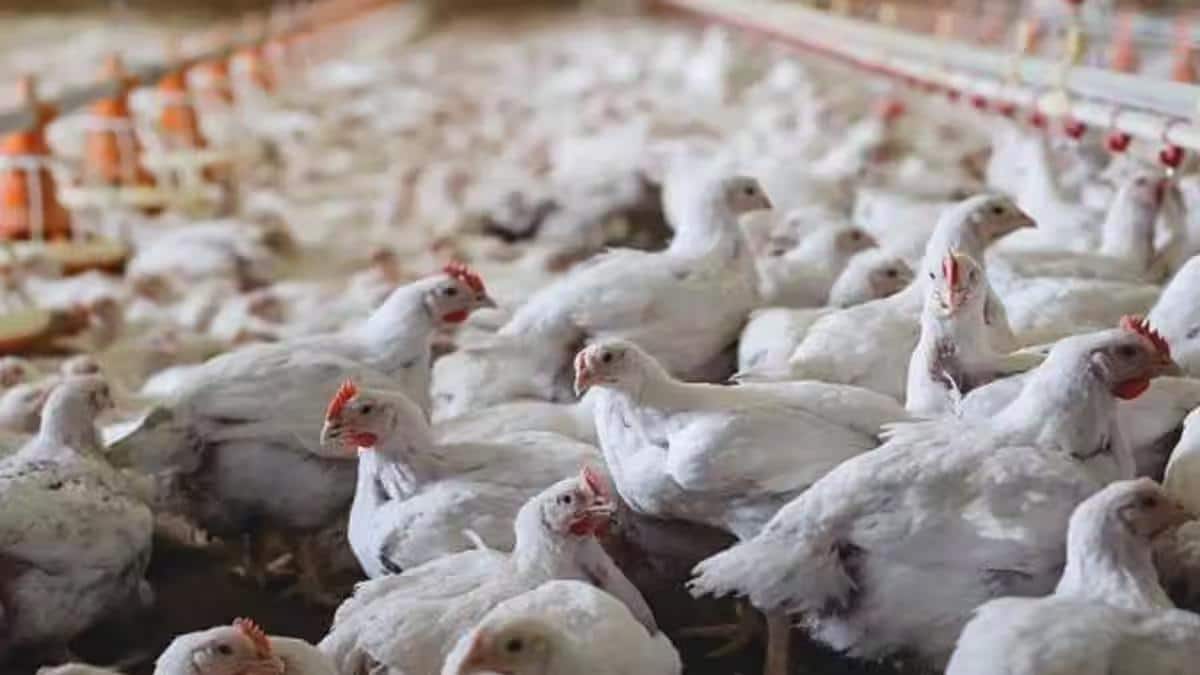
In view of the repeated cases of avian influenza outbreak in Kerala, bio-security rules are being strictly followed in Namakkal region of Tamil Nadu. The disease is being continuously monitored through veterinary college laboratories, so that any threat can be prevented in time.
How dangerous is avian influenza?
Avian influenza affects chickens, ducks, turkeys and wild birds. In some cases this disease can affect humans also. This infection often spreads through migratory or infected wild birds, which poses a threat even in hilly areas like the Nilgiris.
The administration has given many important instructions to poultry farmers. Farmers should prevent wild birds from entering the farm. Chicken, duck and turkey should not be reared together in the same farm. Entry of outsiders, vehicles and animals into the farm should be banned. Do not share farm equipment and clean it with disinfectant at least twice a month. If unusual deaths occur in the farm, instructions have been given to immediately inform the nearest veterinary officer.