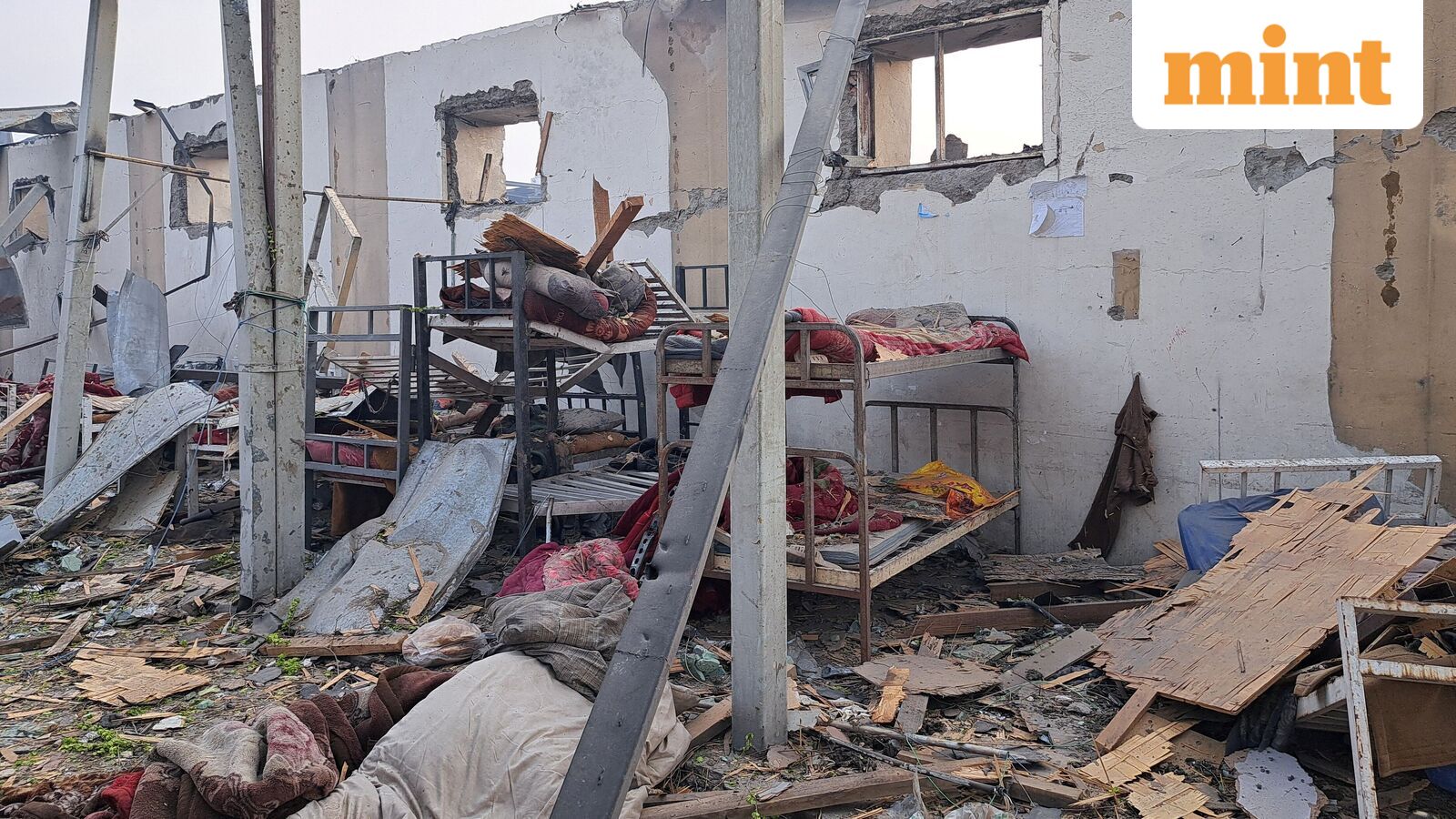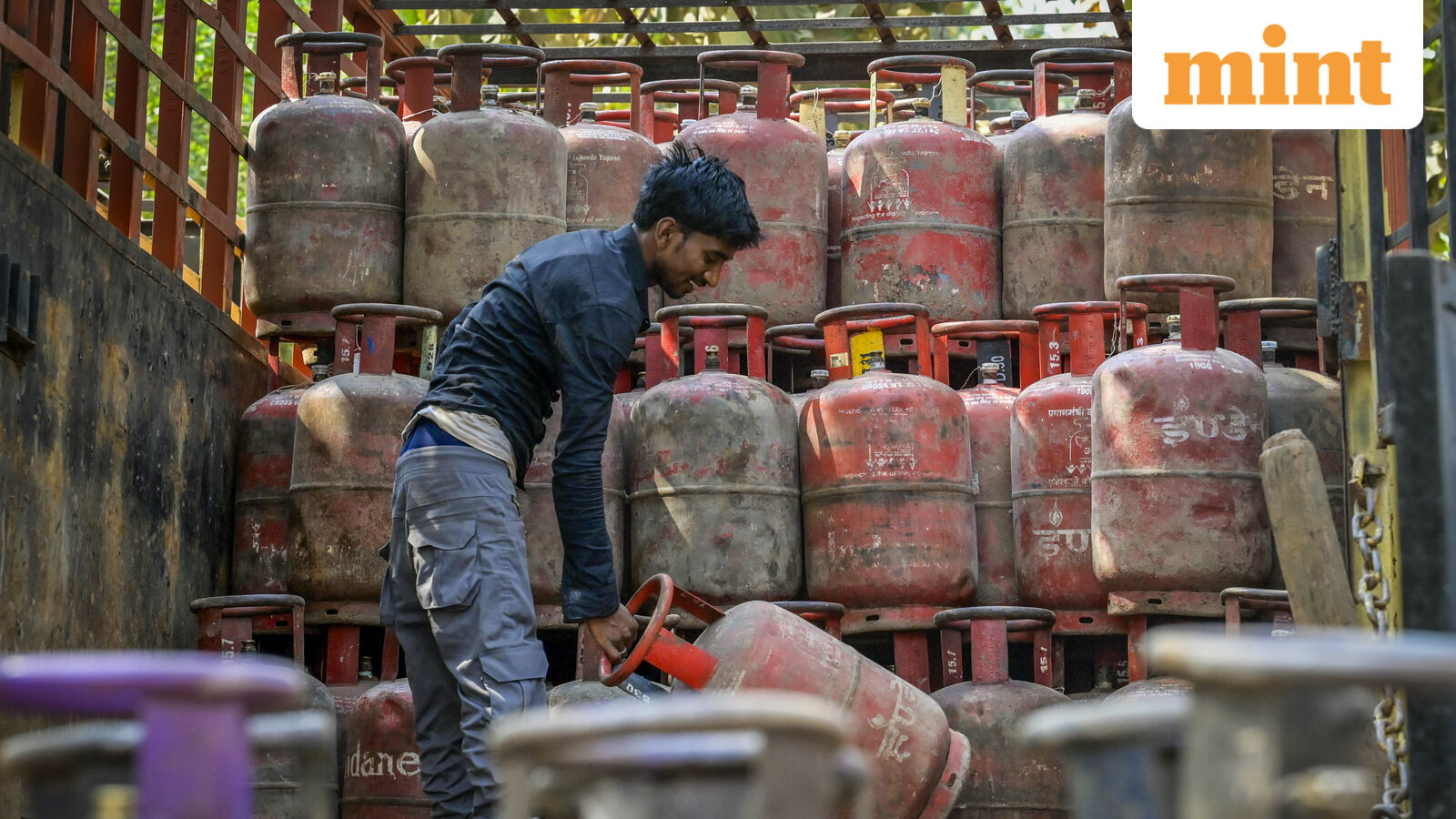
LPG prices saw an uptick as a ripple effect of West Asia conflict. A steady upward rally in oil prices across the globe was witnessed as geopolitical situation in the Middle East impacted supply. In the national capital — New Delhi — a 14.2 kg cylinder containing domestic Liquefied Petroleum Gas (LPG) is priced at ₹913.00, as per latest prevailing prices on 17 March. This price reflects marked increase of ₹60 within a month compared to the previous price of ₹853.00.
Differences in LPG prices across states arise due to local Value Added Tax (VAT) and freight charges. Check LPG prices after recent ₹60 hike in domestic LPG cylinders.
City-wise LPG rates
The following retail rates are currently active in major cities across India”
The Strait of Hormuz is a key route that handles almost 20% of the world’s oil supplies which is strategically located along Iran’s south coast. However, disruption in vessel movement due to ongoing Iran conflict with US-Israel caused LPG supply crisis, whose impact can be seen in prices. High volatility in crude oil prices has rippled across asset classes and has caused a spike in LPG rates.
The Indian government maintains that there is no shortage of cooking gas. However, the impact of LPG crisis was felt widely across several businesses in the hospitality sector which had to suspend operations temporarily.
As per ANI report, the Indian Navy has deployed two task forces of warships to aid in the safe transit of merchant vessels and tankers bringing gas and crude oil to the country through the Strait of Hormuz. To permit the safe passage of Indian-flagged ships, Iran asked for the exchange of three tankers seized by India.
Stellar Ruby, Asphalt Star and Al Jafzia were the three tankers India had earlier seized alleging that they were involved in illegal ship-to-ship transfers at sea. Asphalt Star and Al Jafzia were Nicaragua and Mali flagged while Stellar Ruby is Iranian-flagged vessel. According to the report, these tankers altered their identity and movements.
The government has taken steps to ensure the balance between demand and supply, PIB press releases said, as it listed some measures to prevent hoarding and ensure compliance with government’s directive. The Center instructed refineries to maximize LPG production and regulated domestic distribution through a first-in, first-out basis. Special arrangements have been made for essential sectors such as hospitals, educational institutions, restaurants, and dairies, to ensure commercial LPG cylinder supply via direct coordination with Oil Marketing Companies (OMCs).