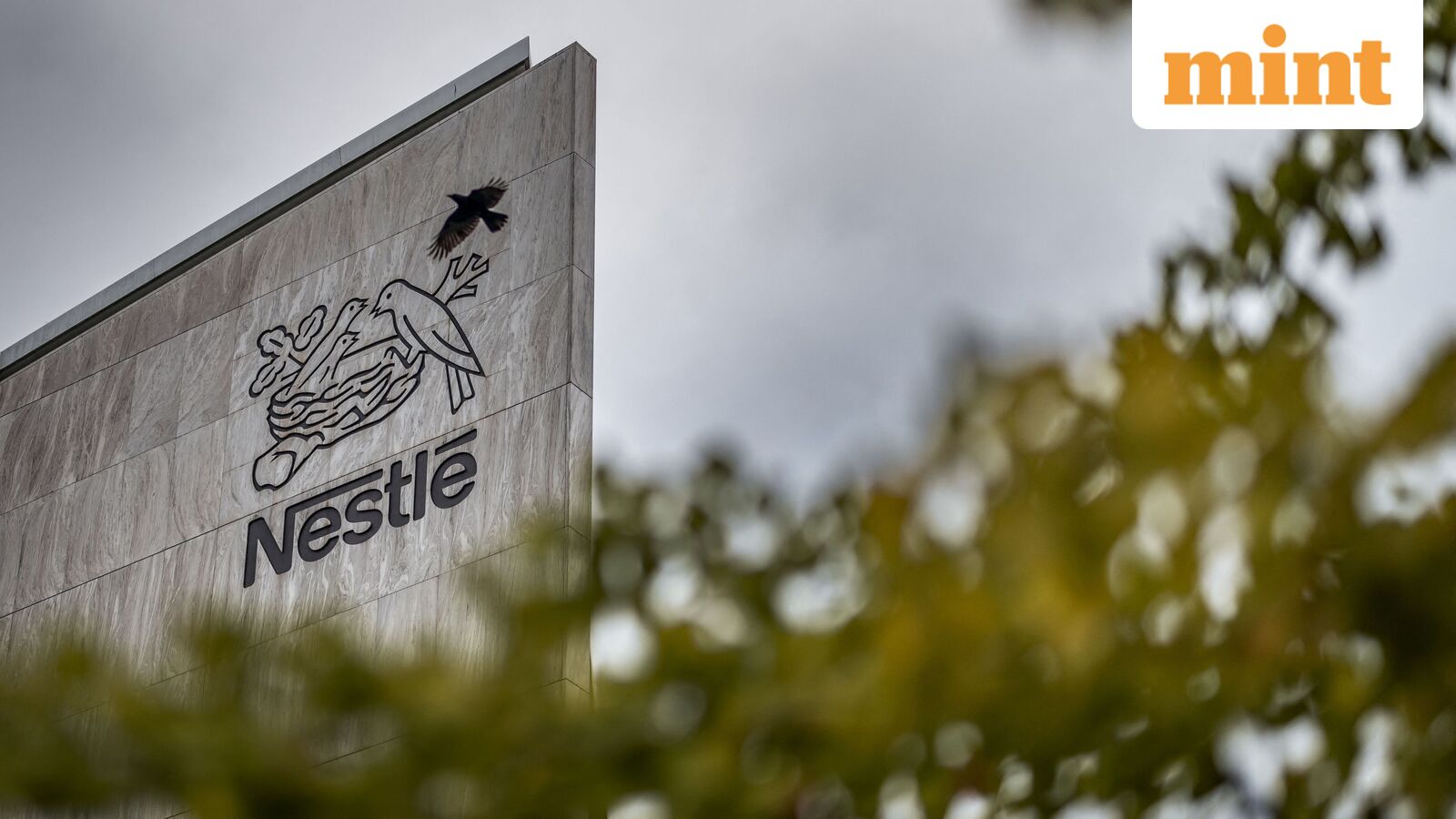
Swiss food major Nestlé has announced a precautionary recall of certain batches of infant formula sold in several European countries, including Germany, Austria, Denmark, Italy and Sweden, after identifying a potential quality issue linked to an ingredient used in production. The company said the move was taken to ensure consumer safety and as part of its strict product quality and safety procedures.
Nestlé said the decision followed the detection of a “quality issue” associated with an ingredient supplied by one of its major vendors. The company emphasized that the recall was voluntary and aligned with its internal safety protocols.
“Out of an abundance of caution, Nestlé has decided to perform this voluntary product recall in line with our strict product quality and safety protocols,” the company said, according to news agency AFP.
The company clarified that no illnesses connected to the affected products have been reported so far. “No illnesses have been confirmed in connection with the products involved to date,” Nestlé said, adding that it is working closely with authorities in the affected countries “to ensure the necessary steps are taken”.
Nestlé and the UK’s Food Standards Agency (FSA) also issued a warning that the toxin cereulide could potentially be present in the recalled batches, Reuters reported.
“Cereulide is highly heat stable meaning it is unlikely to be deactivated or destroyed by cooking, using boiling water or when making the infant milk,” the FSA said. “If consumed it can lead to rapid onset of symptoms.”
According to Nestlé, additional checks and testing are currently underway. “Nestle has undertaken testing of all arachidonic acid oil and corresponding oil mixes used in the production of potentially impacted infant nutrition products,” the company said on its website.
The recalled products are marketed under different brand names across countries. In Germany, the affected infant formula is sold under brands such as Beba and Alfamino. Nestlé has published images and batch numbers of the impacted products on the local versions of its websites to help consumers identify them.
The company has also shared clear instructions on how customers can return the products and claim refunds, along with helpline numbers for parents and caregivers. Similar customer support details have been made available for the United Kingdom and Ireland.
Nestlé reiterated its commitment to food safety and assured consumers that all necessary measures, including product recalls where required, are being implemented.
(With inputs from agencies)