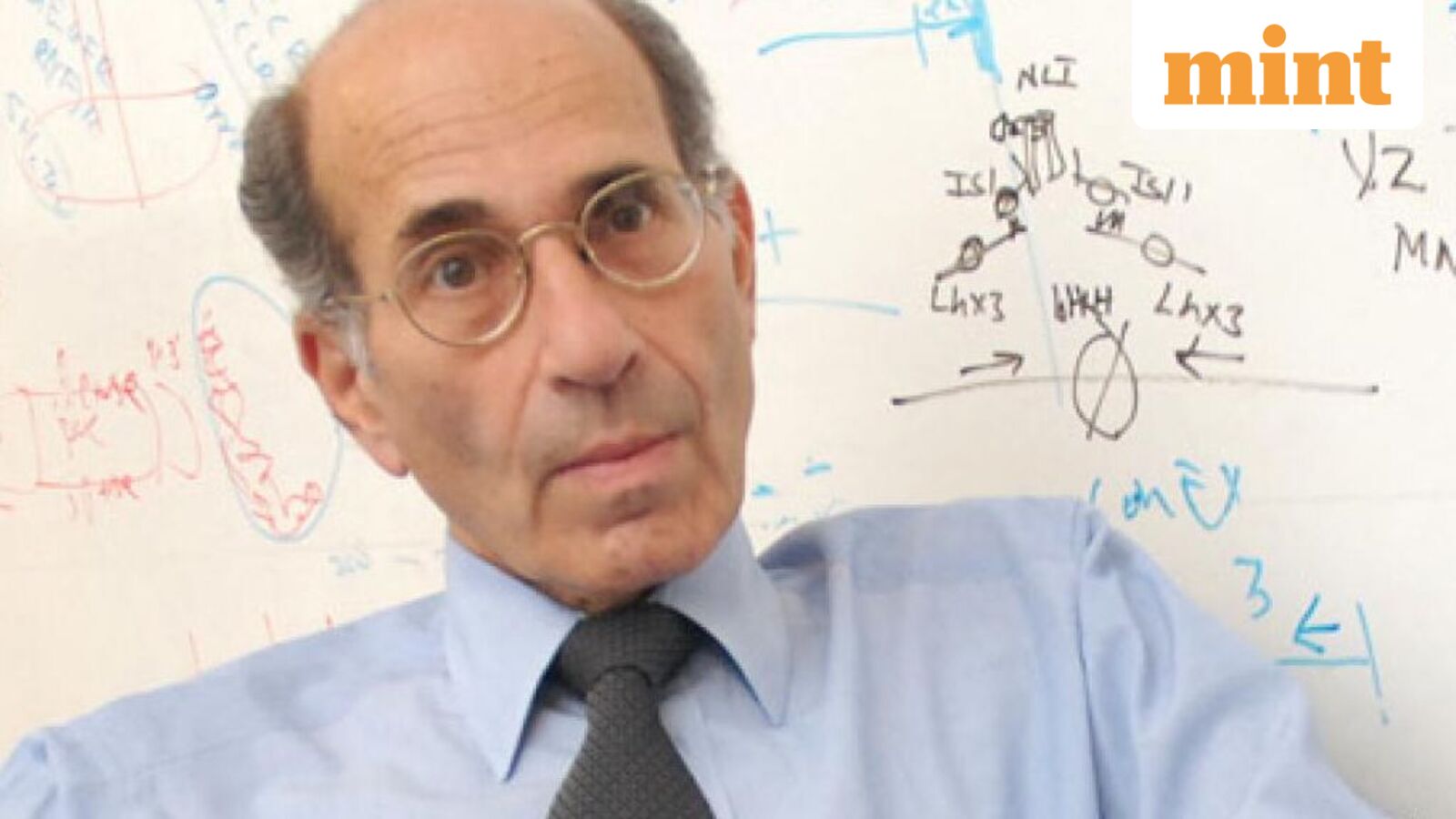
Richard Axel, a professor at the neuroscience institute of Columbia University, on Tuesday stepped down from his role as the co-director of the Zuckerman Mind Brain Behavior Institute after his long-standing friendship with convicted sex offender Jeffrey Epstein became public.
What Richard Axel said
“My past association with Jeffrey Epstein was a serious error in judgment, which I deeply regret,” Axel said in a statement beside his resignation. “I apologize for compromising the trust of my friends, students, and colleagues. I recognize the problems this has caused, and I will work to restore this trust.”
“What has emerged about Epstein’s appalling conduct, the harm that he has caused to so many people, makes my association with him all the more painful and inexcusable,” he added.
Awarded Nobel Prize in 2004
79-year-old Axel was awarded the 2004 Nobel Prize for Medicine for discovering odorant receptors and the organizational principles of the olfactory system.
Axel, who has taught at Columbia for 53 years, holds the title of University Professor, a tenured role granted to “exceptional scholars” above the rank of a traditional professor title.
While Axel, who cofounded the Zuckerman Institute, stepped down as co-director, he will retain his role as a University Professor and continue research in his lab.
Not accused of wrongdoing
Axel announced his resignation despite the fact that he has not been accused of any wrongdoing in the recently released Epstein files.
But the documents made public by the US Department of Justice (DOJ) last month showed that Axel was a frequent guest of Epstein’s at his Manhattan home.
According to the Columbia SpectatorAxel had been in touch with Epstein from at least 2010, two years after he pleaded guilty to soliciting prostitution from a minor. The two remained in touch until five months before Epstein died in prison, in August 2019, under mysterious circumstances.
Responding to Axel’s announcement, Columbia University, in a statement, said it agrees with his decision, while recognizing his extraordinary contributions.
“The University has seen no evidence that Dr. Axel violated any University policy or the law,” the statement said. “However, Dr. Axel made clear that in light of this past association, and the continued fallout from the release of DOJ files, he felt it appropriate to relinquish his position as co-director,” the statement added.
Other Columbia faculty linked to Epstein
Axel is not the only Columbia faculty member who has faced the heat for their past association with Epstein.
Earlier this month, Columbia University severed ties with Dr. Thomas Magnani, a New York dentist, after it emerged that he played a key role in facilitating the admission of Jeffrey Epstein’s girlfriend, Karyna Shuliak, to the College of Dental Medicine.
Dr. Letty Moss-Salentijn, the Edward V. Zegarelli Professor of Dental Medicine and former vice dean, was also stripped of her administrative duties for allegedly helping Shuliak.
Columbia University physicist Brian Greene has also come under the scanner after internal documents and emails revealed that he invited Epstein to attend various scientific conferences and events even after his 2008 conviction.
Key Takeaways
- The resignation of Richard Axel highlights the significant repercussions that personal associations with controversial figures can have on professional reputations, regardless of an individual’s accomplishments.
- Columbia University’s response demonstrates the institution’s commitment to maintaining ethical standards and transparency in light of past affiliations with convicted individuals.
- The case illustrates the broader societal implications of accountability, particularly in academia, where the integrity of relationships and professional conduct is scrutinized under public and legal lenses.