US-Iran War: Pakistan Prime Minister Shehbaz Sharif on Monday announced a slew of austerity measures aimed at saving fuel in the country as oil prices soar due to the US-Israeli war on Iran, news agency AFP reported.
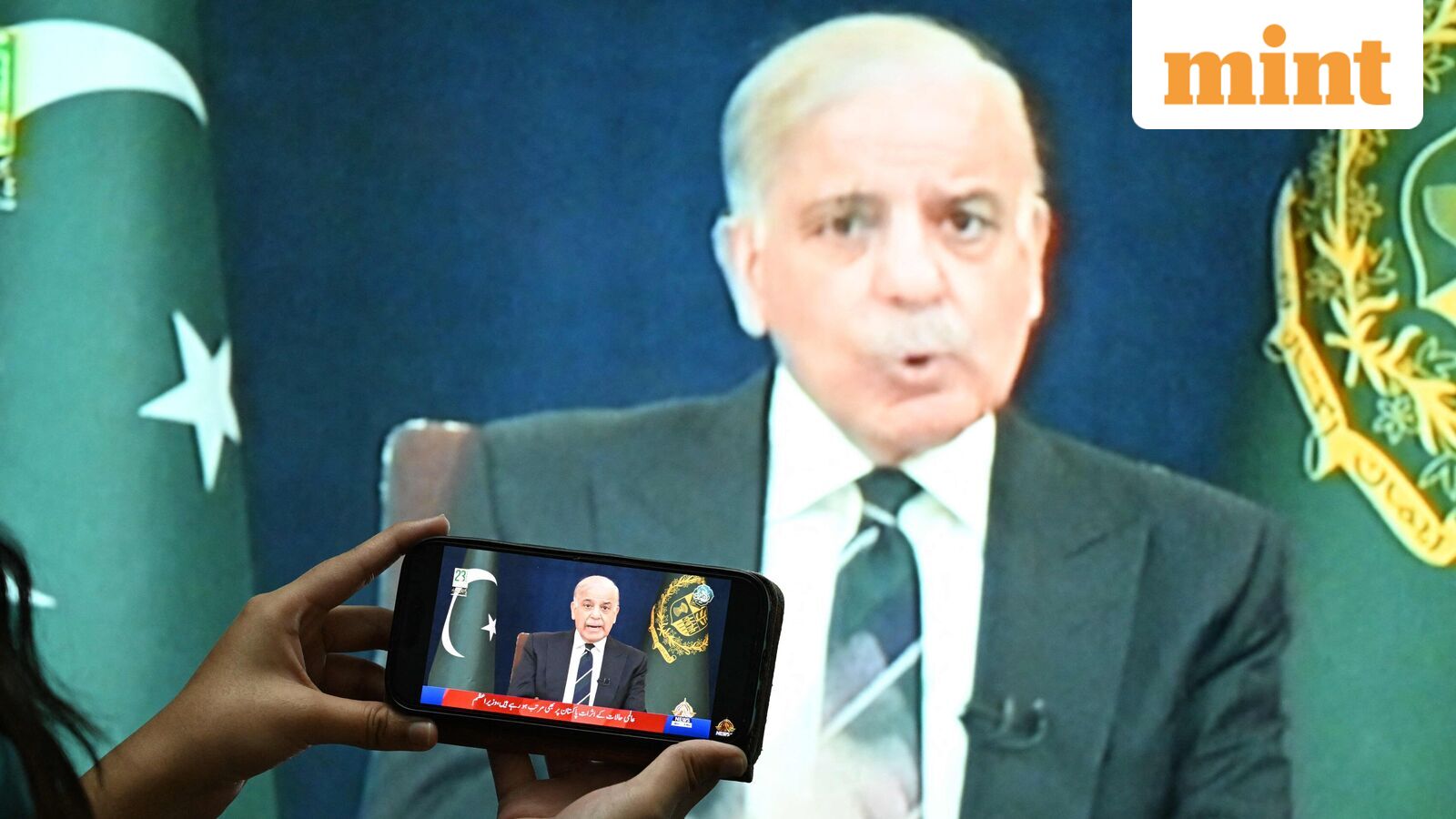
Sharif – who addressed the nation on the state-run PTV and other private channels – described the decision as ‘difficult’ and said he was keen to avoid further increases that would hit the population, many of whom live in poverty.
The Pakistani prime minister said he was speaking to the nation amid the threat of war across the region. The energy crisis is the new crisis,” Sharif said.
Shehbaz said the government decided to reduce the fuel allotment to government vehicles by 50 per cent for the next two months, while 60 per cent of government vehicles will stop working during this period. “The government has decided that 50 per cent of employees of the public and private sector will work from home to save fuel,” the prime minister said.
“Further, they will work for only four days a week,” he said.
At a meeting on Monday, the prime minister said ministers in his cabinet had agreed to try to prevent the situation from worsening and to have government offices, except banks, move to a four-day workweek, with half of all staff ordered to work from home, according to news agency reports.
School holidays have been extended, with lessons moving online after two weeks.
Fuel allowances for official vehicles except ambulances have been cut by 50 per cent for the next two months. The meeting also agreed to salary reductions for government employees, a ban on the purchase of new equipment, and a cut in overseas official travel, except that “needed for the betterment of the country”, Sharif said.
Online meetings would be prioritized, he said.
Why the measurements?
The ongoing war in West Asia has hit other countries in South Asia. On Sunday, Bangladesh, which imports 95 per cent of its oil and gas, launched fuel rationing, causing long queues at filling stations and heightening security amid unrest.
Light displays for independence and Ramadan celebrations were also scrapped, officials announced on Monday.
Oil prices have jumped above $100 a barrel for the first time since Russia’s full-scale invasion of Ukraine in 2022, as Iran launched retaliatory strikes at crude-producing Gulf nations.
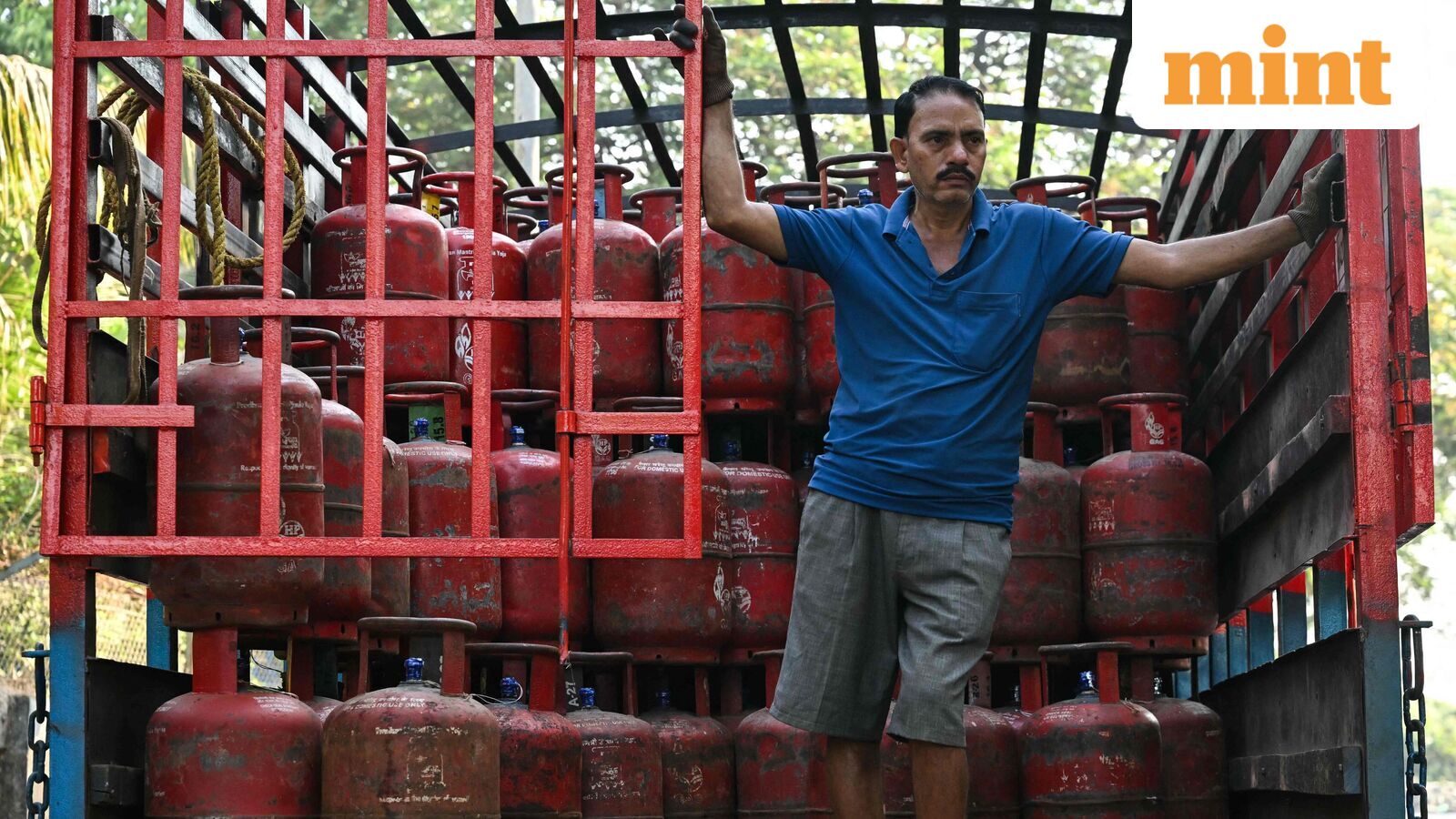
Pakistan depends on oil and gas from the Gulf, and last Friday hiked pump prices by about 20 per cent, triggering long lines at petrol stations across the country.
What other measures did Sharif announce?
Sharif said Pakistan’s economy depends on oil imports from the Gulf, and the country is facing difficulties due to rising oil prices.
The development comes as the US and Israel’s war with Iran continues, disrupting supply chains as ships’ passage through the Strait of Hormuz remains paralyzed.
The Strait of Hormuz, a narrow waterway, connects the Persian Gulf to the Gulf of Oman, through which about a fifth of the world’s oil passes.
The Strait was effectively closed following several attacks on ships by Iran in retaliation for joint US-Israel strikes.
All cabinet ministers and advisors will not receive salaries for two months, and the salaries of all parliamentarians will be reduced by 25 per cent during this period, Sharif announced. All government servants of grade 20 and above, who are drawing a salary of more than ₹300,000 per month, will, for one time, surrender two days’ salary.
The expenses of all government departments will be reduced by 20 per cent, and there will be a ban on the purchase of cars, air conditioning systems and other luxury items.
Ban on official foreign travel by ministers
Pakistan has also banned all official foreign travel by ministers, advisors, and officers. However, essential foreign trips will be exempted. He also announced the introduction of mandatory teleconferences and online meetings to reduce travel-related fuel costs. A ban was also imposed on all state dinners and iftars.
The country has also banned holding government-related seminars at hotels and instead ordered that such events should be held in public buildings.
The prime minister also warned owners of filling stations that strict action will be taken against hoarding and any other illegal practices. He also urged the elite and the rich to come forward and play a role in the success of the government’s austerity measures.
The prime minister also spoke about the unpopular decision to raise petroleum prices after the Iran war, calling it the most difficult. However, he promised not to burden the masses with more hikes in the petroleum prices.
The energy crisis is the new crisis.
“I will try to ensure that the prices are not further increased,” he said.
(With AFP and PTI inputs)