

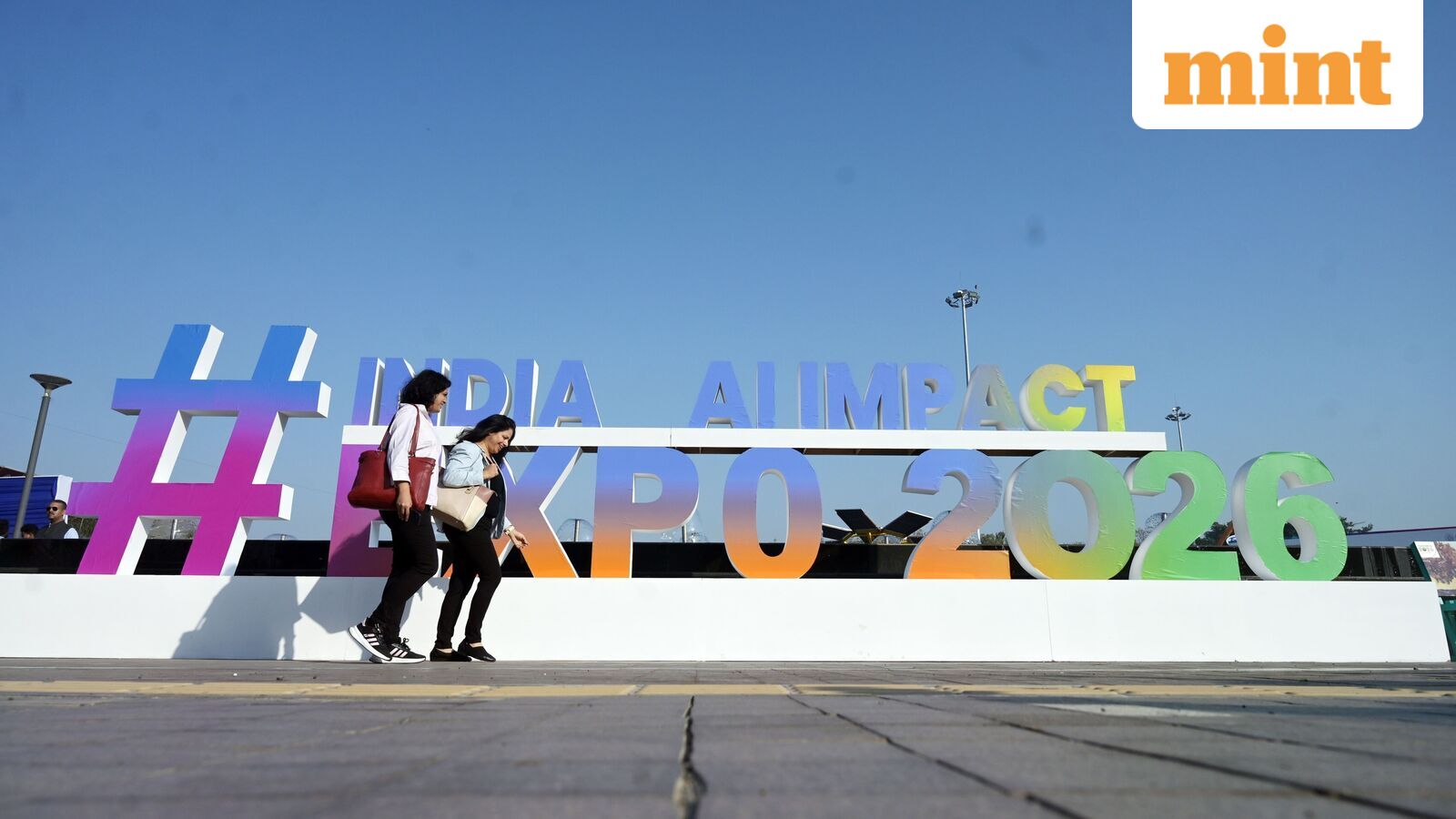
Visitors, delegates, exhibitors, security and delivery personnel that mint spoke with said among key pain points were customers having to queue up to collect their orders after having placed them, delivery personnel being turned away by security staff—who weren’t informed of the arrangements—and a patchy telecom network that only made matters worse.
Swiggy and Zepto took distinctly different operational routes at the summit.
Zepto operated a dedicated dark store inside the Bharat Mandapam with 11 pickup points scattered across the venue, while Swiggy partnered with on-ground restaurants in food courts on a commission basis, deploying eight pickup points.
mint‘s visit to Zepto’s dark store showed a diverse inventory, including printing and stationery supplies, though the company excluded its private labels and non-vegetarian items from the offering. Perishable items such as milk and vegetables were available, allowing restaurants at the venue to source supplies as needed.
Early demand, sudden collapse
The strategy paid off during the early morning rush, when most food stalls weren’t yet operational. At that point, Zepto saw a significant uptick in orders, as attendees, exhibitors and delegates scrambled for basic necessities and breakfast options through Zepto Cafe.
Both platforms were banking on heavy queues at food courts, offering attendees the convenience of ordering and picking up their items, rather than waiting in crowded lines. However, the operational model collapsed with the Prime Minister’s security protocol being enforced around midday.
Order pickups were prevented entirely, forcing both Zepto and Swiggy to issue refunds for unfulfilled orders. A key challenge, however, was that foreign delegates were not able to use these services—a factor that could have opened India’s quick commerce ecosystem as a successful domestic startup model, akin to the success of digital payments via unified payments interface (UPI) during India’s G20 leadership in 2023.
Operations for quick commerce, however, did not turn out to be as seamless as UPI was back then, as delivery workers faced challenges in accessing the venue. Customers refused to come out to the designated pickup points, knowing that re-entry meant joining long queues all over again.
access barriers
When delivery staff attempted to enter the venue themselves, they were turned away, as they lacked the QR codes critical for summit access, leaving them stranded on standby unable to complete deliveries, several delivery workers told. mint. Workers earned meager incentives since the venue was geofenced for indoor navigation, limiting their usual per-delivery earnings.
“The security personnel kept saying they weren’t informed about any delivery arrangements. We stood outside with orders piling up, watching customers call repeatedly asking where their food was,” said a delivery worker operating at the summit, requesting anonymity.
Customers placing orders were left frustrated too.
“I placed an order at 12.30pm, thinking it would save time because food court queues were too long to get into, standing in the heat. But as security tightened, Zepto canceled and refunded the money,” said an exhibitor at the summit, requesting anonymity.
Eternal, which operates Zomato and Blinkit, was absent from the venue. Queries on the issue sent to Swiggy, Zepto and Eternal did not receive responses until press time.
Zomato consciously stayed away from operating inside the Summit, a senior industry official said. The company temporarily positioned Blinkit delivery personnel outside the gates for external deliveries, avoiding the chaos within.
Network glitches
Network congestion compounded the operational chaos. Despite telecom operators increasing coverage around the venue, several attendees simultaneously accessing quick commerce apps strained connectivity, causing order placements to stall/fail mid-transaction.
Payment gateway timeouts became frequent, leaving customers uncertain whether their orders had gone through, several customers told mint.
Telecom operators, however, refuted claims of disruption.
“With thousands of attendees expected, Airtel has deployed a future‑ready, multi‑layered network to ensure uninterrupted performance. All venues are fully fiberized with four‑way protected fiber paths and enhanced through 55 small cells across the Bharat Mandapam complex and 12 additional outdoor sites, while existing sites have been optimized and augmented to serve the venues, traffic routes, and entry‑exit corridors,” a spokesperson for Bharti Airtel said in an emailed. statement.
Industry experts said the quick-commerce exercise was more about visibility than operational feasibility.
“Such events see participation not for economics but for visibility. The density of such venues also pays for itself, but these events are so sporadic that they barely make a dent to the overall economics of the company,” said Madhur Singhal, managing partner and chief executive at Praxis Global Alliance, a management consulting firm.

