“Never think that war, no matter how necessary, nor how justified, is not a crime.” —Ernest Hemingway.
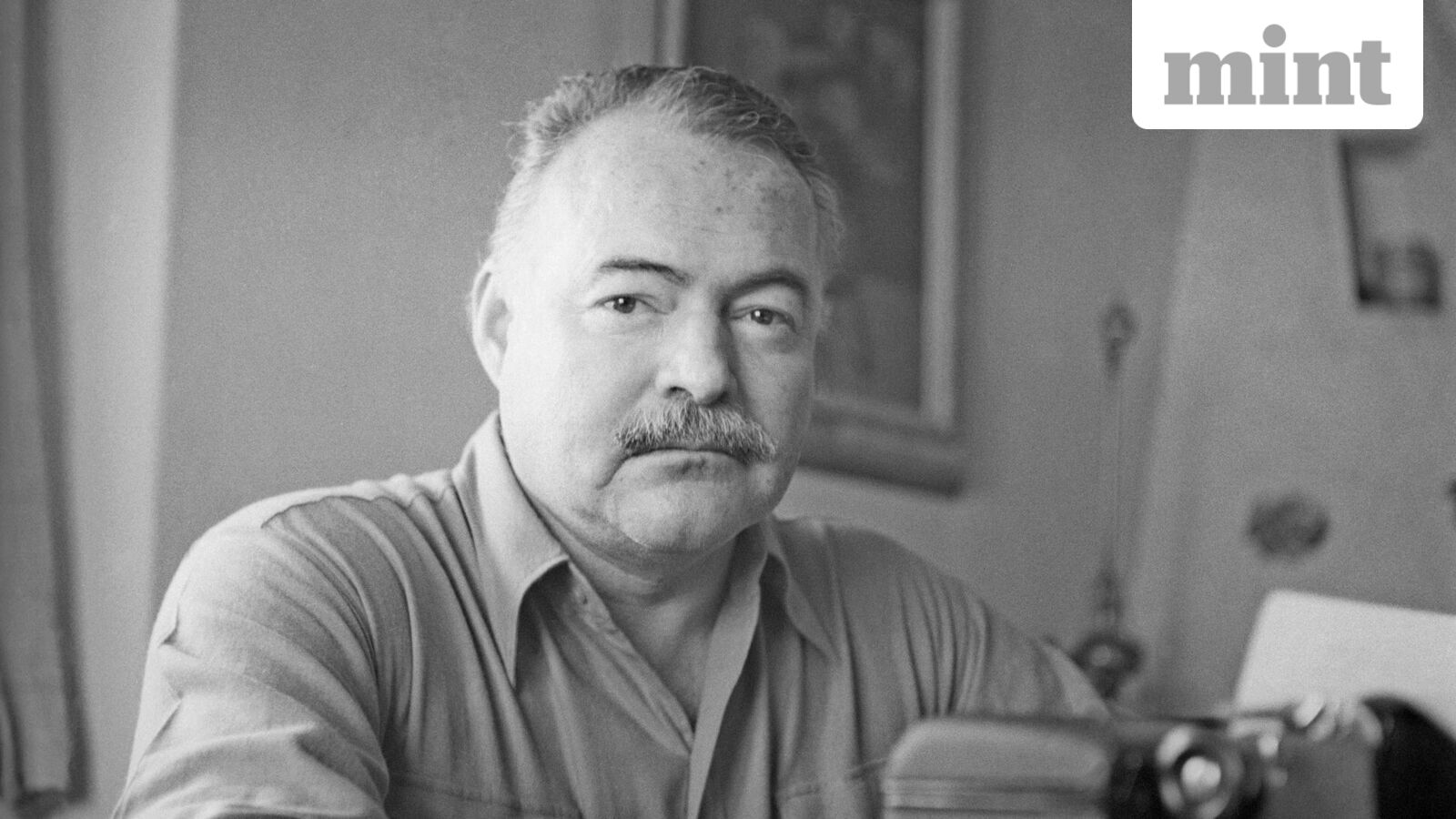
Though penned by the American novelist Ernest Hemingway in the 20th century, the words continue to resonate decades later. Known for his works centering around themes of war, Ernest Hemingway worked as a journalist before authoring his first novel.
The line appears in the foreword in his ‘Treasury For The Free World’ – a collection of essays focused on the post-World War II global order and international cooperation – which was published in 1946.
What do Hemingway’s words mean?
The quote reflects Hemingway’s belief that war should never be glorified, “no matter how necessary” or “how justified” it may seem. Even when conflicts are framed as necessary or morally justified, the violence, suffering, and loss that come with war remain deeply tragic.
Hemingway’s perspective was shaped by his direct exposure to conflict.
He had applied for military service in 1917 to support the United States’ efforts in World War I, but was rejected because of his poor eyesight. Instead, he signed up with a Red Cross volunteer ambulance unit, and shipped off to Italy in May 1918.
His words focus on the human cost of war — physical injury, psychological trauma, and the devastation experienced by soldiers and civilians alike – which feels particularly relevant given the current happenings in West Asia.
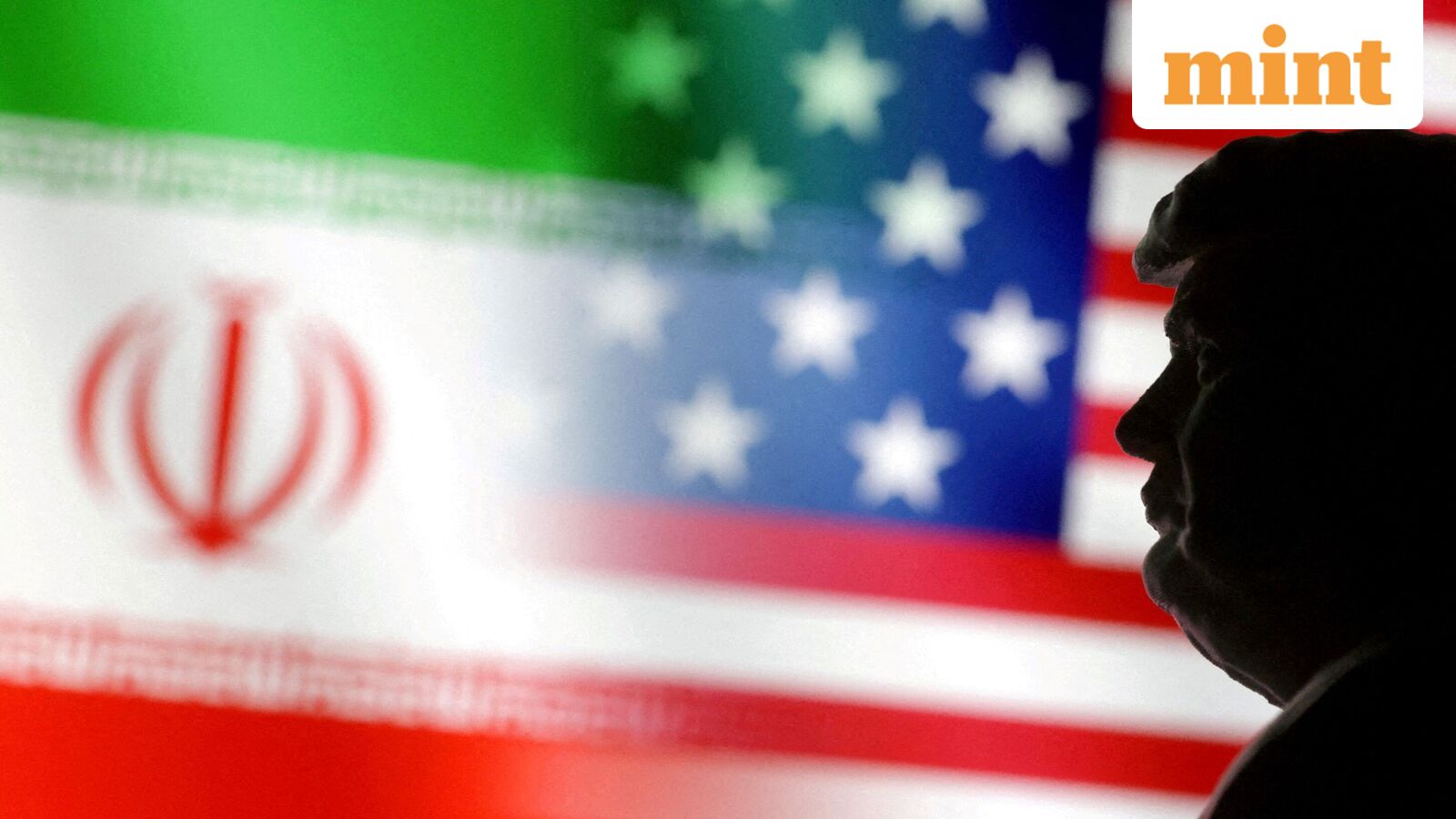
As tensions escalate between Israel-US and Iran, the waves of retaliatory attacks from both sides have left over a 1000 people dead — since the conflict started on February 28, 2026, reported AP.
Israel-Iran-US conflict
Iran launched a wave of retaliatory strikes after US-Israel jointly attacked the Islamic Republic on Saturday, 28 February. Former Supreme Leader Ayatollah Khamenei, and other key figures were reportedly killed in the strikes.
Explosions were reported across Saudi Arabia, Dubai on Sunday, 8 March – among other West Asian hubs – as the conflict crossed its first week.
In Iran, at least 1,230 people have been killed, including 175 schoolgirls and staff killed in a missile strike on a primary school in Minab in the country’s south on the war’s first day, reported. reutersciting a non-profit humanitarian group Iranian Red Crescent Society. The US Army said that 7 of its members were killed during the strikes against Iran. Casualties were also reported across Gulf nations and parts of Israel.
Over time, multiple images and videos have emerged – showing widespread destruction from the attacks. Scenes such as these echo Hemingway’s words about the cost of war that he penned years ago.
About Ernest Hemingway
Born on July 21, 1899, in Oak Park, Illinois – Ernest Hemingway – developed an early interest in writing while contributing to his high school newspaper. After graduating in 1917, he began working as a reporter for ‘The Kansas City Star’, where the paper’s emphasis on short sentences and direct language influenced his famously spare writing style.
That same year, he attempted to enlist in the US Army during World War I but was rejected due to poor eyesight. Instead, he volunteered with a Red Cross ambulance unit and was sent to Italy in 1918, where he was critically injured while delivering supplies to soldiers.
After returning to the United States in 1919, Hemingway resumed journalism, working in Chicago, Michigan and Toronto before becoming a foreign correspondent for The Toronto Star. In 1921, he moved to Paris, where he became part of the expatriate literary circle later known as the “Lost Generation.”
It was during this period that Hemingway began focusing more seriously on fiction, eventually publishing his breakthrough novel, The Sun Also Rises in 1926 — the start of a literary career that went on to make him one of the most influential writers of the 20th century.