

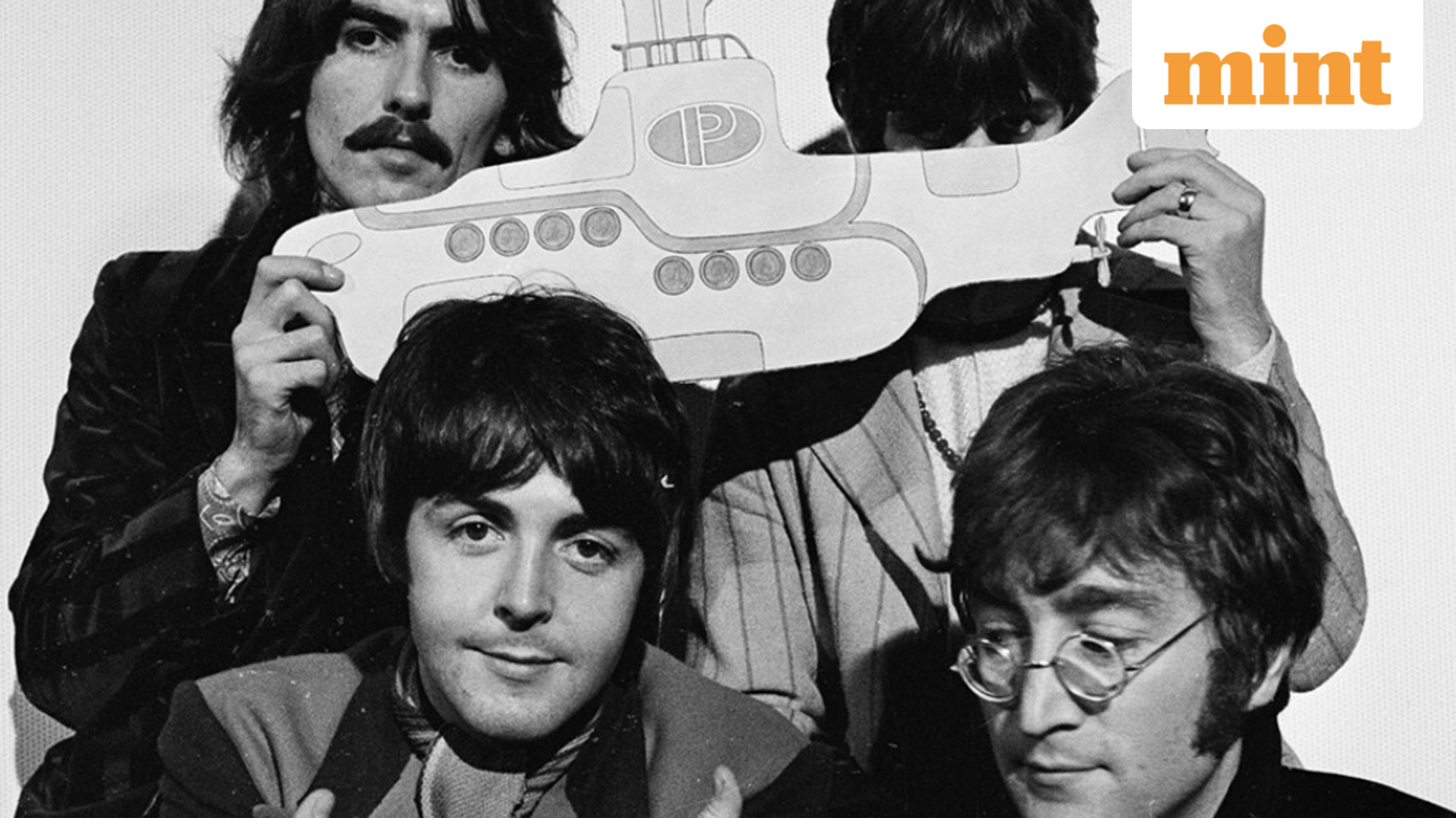
On the birth anniversary of the “Quiet Beatle” George Harrison, let’s revisit the band’s lead guitarist’s candid reflection on the seismic cultural shift of the 1960s—an impact that remains definitive on the intersection of pop culture and social change.
“The Beatles saved the world from boredom,” Harrison said, perfectly capturing that music is a catalyst for breaking societal monotony and rigid traditions.
In an era of algorithmic content and “doomscrolling,” Harrison’s reminder of the power of genuine artistic disruption is more relevant than ever.
The decade of The Beatles
The 1960s were a decade defined by the transition from post-war austerity to colorful expression, and no entity fueled this fire more than The Beatles.
George Harrison, born on this day, once famously remarked that the Fab Four did more than just play music; they rescued a generation from the mundane. Understanding Harrison’s perspective provides a window into how art functions as a tool for liberation.
Today, as we celebrate his legacy, we look at why this specific sentiment echoes through the halls of music history and what it teaches us about the necessity of creative rebellion in the modern age.
What did George Harrison mean?
When George Harrison claimed the band “saved the world from boredom,” he wasn’t just being cheeky or boastful. He was referring to the stifling social atmosphere of the early 60s, a world that was still largely recovering from the rigidity of the 1940s and 50s.
The “boredom” Harrison spoke of was the status quo: predictable careers, conservative fashion, and a lack of creative agency for the youth.
The Beatles brought a sense of unpredictability and joy that broke the “grey” mold of society; they highlighted that art’s highest calling isn’t just to entertain, but to provide an alternative reality.
For Harrison, the music was a portal that allowed millions to escape the repetitive cycles of their daily lives and imagine a world filled with experimentation, spirituality, and colour.
Where does it come from?
This quote originated during a 1966 interview with the Evening Standard.
At the time, “Beatlemania” was at its absolute peak, and the band members were beginning to reflect more deeply on their role in the global zeitgeist.
1966 was a pivotal year—it was the year they released Revolver, stopped touring, and began the studio experimentation that would define the latter half of the decade.
Harrison was often the most observant member of the group, and his attribution of their success to a “battle against boredom” highlights his grounded view of their fame.
He recognized that the world was hungry for change, and The Beatles simply happened to be the spark that ignited the dry tinder of a restless global youth.
How does it apply today?
In a world dominated by repetitive digital cycles, Harrison’s philosophy encourages people to break their own “boredom” by seeking out unconventional ideas and hobbies that challenge our current worldview.
The “Quiet Beatle” never settled for being “just a guitarist”; he embraced Indian classical music and spirituality when it was unfashionable. This quote is a reflection that, like Harrison, one must prioritize one’s unique interests over what is “trending” or expected by peers.
The Beatles were prolific because they were constantly curious. To apply this today, treat curiosity as a skill—actively engage with art, literature, and technology that pushes you out of your comfort zone.
About George Harrison
George Harrison (25 February 1943 – 29 November 2001) was an English musician, singer-songwriter, and film producer who achieved international fame as the lead guitarist of The Beatles.
Often referred to as “the Quiet Beatle,” Harrison was instrumental in introducing Indian instrumentation and Eastern spirituality to Western pop music.
Beyond his work with the Fab Four, Harrison had a hugely successful solo career, beginning with the triple album All Things Must Pass (1970).
He was a founding member of the Traveling Wilburys and a pioneer in large-scale philanthropy through the Concert for Bangladesh in 1971.
His legacy is one of deep introspection, masterful songwriting (penning hits like “Something” and “Here Comes the Sun”), and a lifelong quest for meaning beyond the material world.

