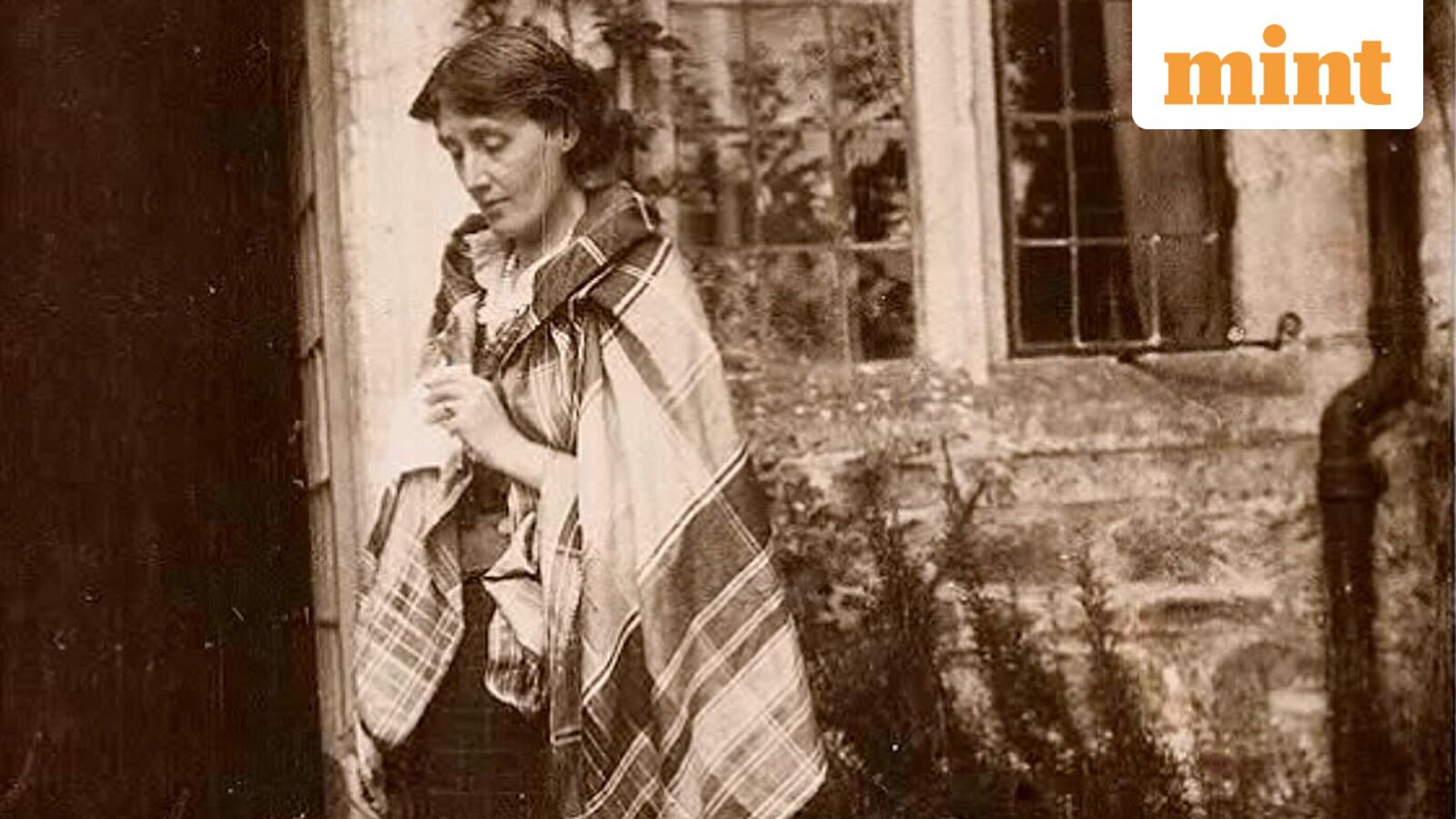
Virginia Woolf, one of the defining voices of twentieth-century literature, is widely credited with reshaping the way stories are told. Through her bold narrative experiments and psychological depth, she helped transform modern fiction into a form capable of capturing the complexities of human thought and emotion. Her writings continue to influence authors, scholars and readers around the world.
Among the many ideas that guided Woolf’s literary philosophy, honesty occupied a central place. She believed that genuine understanding—whether in writing or in life—requires a willingness to examine oneself with clarity and courage. One of her widely quoted reflections captures this conviction.
The quote
“If you do not tell the truth about yourself you cannot tell it about other people.”
What the quote implies
At its core, the quote suggests that self-awareness is the foundation of authentic expression. For Woolf, a writer’s ability to portray others truthfully depended on their willingness to confront their own emotions, biases and inner contradictions.
This idea also shaped Woolf’s literary style. Rather than relying solely on plot-driven storytelling, she pioneered techniques such as stream-of-consciousness narration, allowing readers to experience the shifting thoughts and feelings of her characters. By doing so, she sought to depict human consciousness in its most honest and unfiltered form.
Woolf’s life itself reflected a commitment to intellectual independence and creative experimentation. Born Adeline Virginia Stephen on 25 January 1882 in London, she grew up in a family deeply engaged with literature and scholarship. Her father, Leslie Stephen, was a historian and critic, while her mother Julia Stephen was known for her charitable work.
After her father’s death in 1904, Woolf moved with her siblings to Bloomsbury in London. There, she became part of the Bloomsbury Group, an influential circle of writers, artists and thinkers who challenged Victorian conventions and encouraged open discussions about art, politics and society.
In 1912, Woolf married writer Leonard Woolf. Five years later, the couple established the Hogarth Press, a publishing venture that printed many of her works and introduced important literary voices to readers.
The years that followed produced some of her most celebrated works, including Mrs Dalloway (1925) and To the Lighthouse (1927). In her extended essay A Room of One’s Own (1929), she also made a powerful case for women’s intellectual freedom and creative independence.
Despite her achievements, Woolf experienced recurring mental health struggles throughout her life. Amid the pressures of the Second World War and declining health, she died in 1941 at the age of 59.
Today, Woolf’s writings continue to be translated, studied and debated across the world. Her reflection on truth remains particularly relevant in fields ranging from literature to journalism: authentic understanding of others begins with the courage to be honest about oneself.