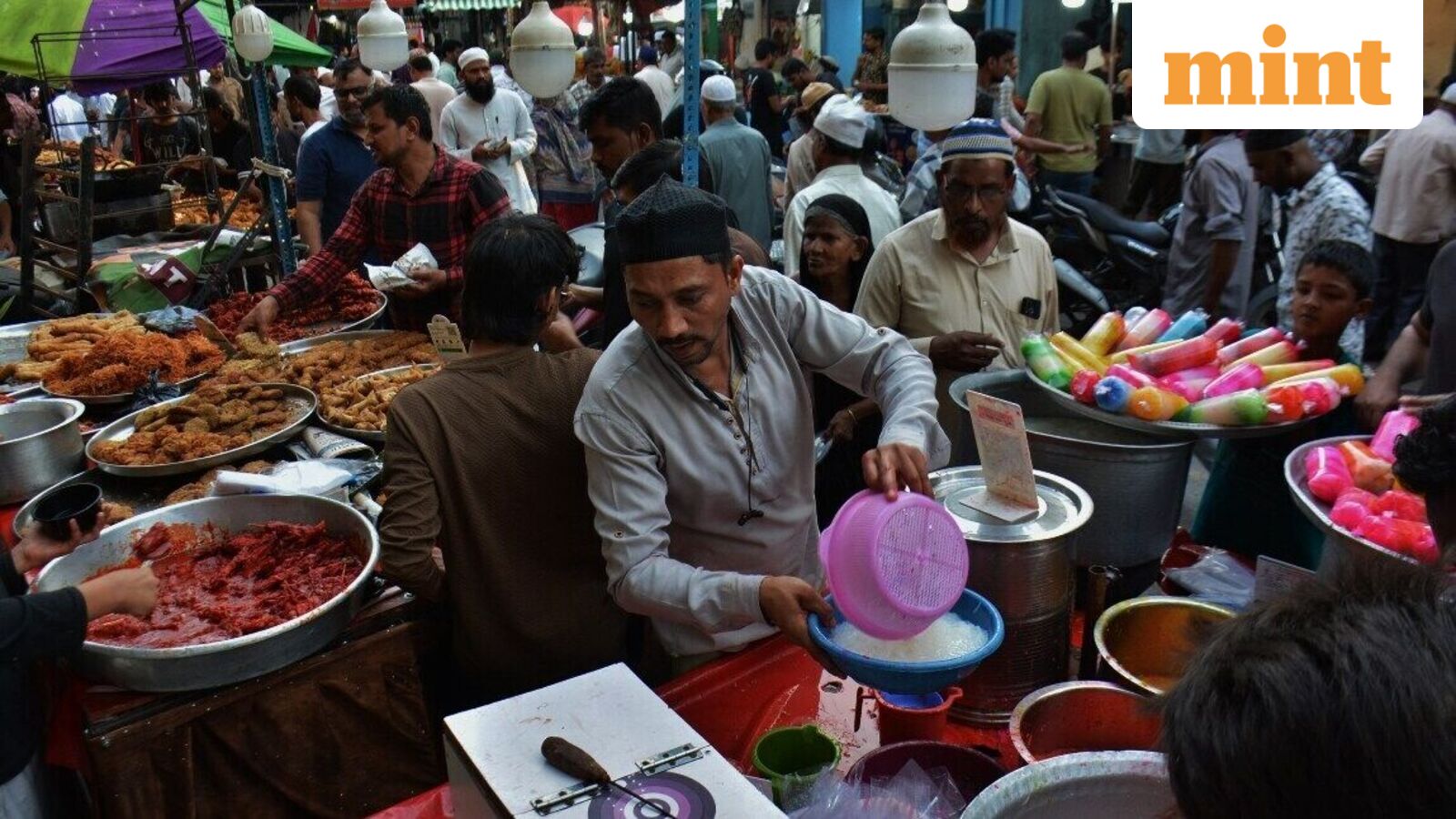
The holy month of Ramadan is being observed by Muslims around the world, marking a period of fasting, prayer and reflection. Considered the most sacred month in the Islamic lunar calendar (Hijri), Ramadan begins with the sighting of the crescent moon and is a time when believers focus on spiritual discipline, charity and community.
When Did Ramadan 2026 Begin In India?
Ramadan began in India on February 19, 2026, after the crescent moon was sighted on February 18. Traditionally, the moon is first sighted in Gulf countries such as Saudi Arabia and the UAE, after which many countries including India confirm the start of the holy month.
The first roza (fast) was therefore observed on Thursday, February 19.
Fasting from dawn until sunset during Ramadan is one of the five pillars of Islam. During this time, practicing Muslims abstain from eating, drinking, smoking and marital relations during daylight hours. The period is also associated with increased prayers, acts of charity and spiritual reflection.
Sehri And Iftar: What They Mean
Each fasting day begins with sehri (suhoor) — the pre-dawn meal eaten before sunrise. The fast is then broken at sunset with iftar, often shared with family and community members.
Because sunrise and sunset vary across regions, sehri and iftar timings differ from city to city and shift slightly every day.
Below are the sehri and iftar timings for March 10, 2026 in some major Indian cities, according to Islamic Finder.
City-Wise Sehri And Iftar Timings (10 March 2026)
Lucknow
- Sehri time: 05:04 AM
- Iftar time: 6:13 PM
Delhi
- Sehri time: 05:18 AM
- Iftar time: 6:28 PM
Hyderabad
- Sehri time: 05:15 AM
- Iftar time: 6:26 PM
mumbai
- Sehri time: 05:39 AM
- Iftar time: 6:47 PM
It is important to note that sehri and iftar timings change by a few minutes daily based on sunrise and sunset. Additionally, minor variations may exist between communities such as Sunni and Shia Muslims, usually differing by a few minutes.
For those observing the fast, checking the daily timetable for their city helps ensure the fast begins and ends at the correct time throughout the month of Ramadan.