Muslims all over the world are observing Ramadan, the sacred month in Islam, with fasting, prayers and acts of devotion. Ramadan is a time for gratitude towards God and a time for spiritual discipline. Ramadan has great significance for the Muslim community.
Millions of Muslims fast for a month from dawn till dusk. In India, people observed their first Roza on Thursday, February 19, and the month of Ramadan will culminate with Eid al-Fitr.
The fasting from dawn to sunset during the Ramadan is one of the five pillars of Islam. During daylight hours, practicing Muslims abstain from eating, drinking, smoking, harmful thoughts and actions, and marital relations. The practice is believed to strengthen faith as well as instill self-restraint.
What Are Sehri And Iftar During Ramadan?
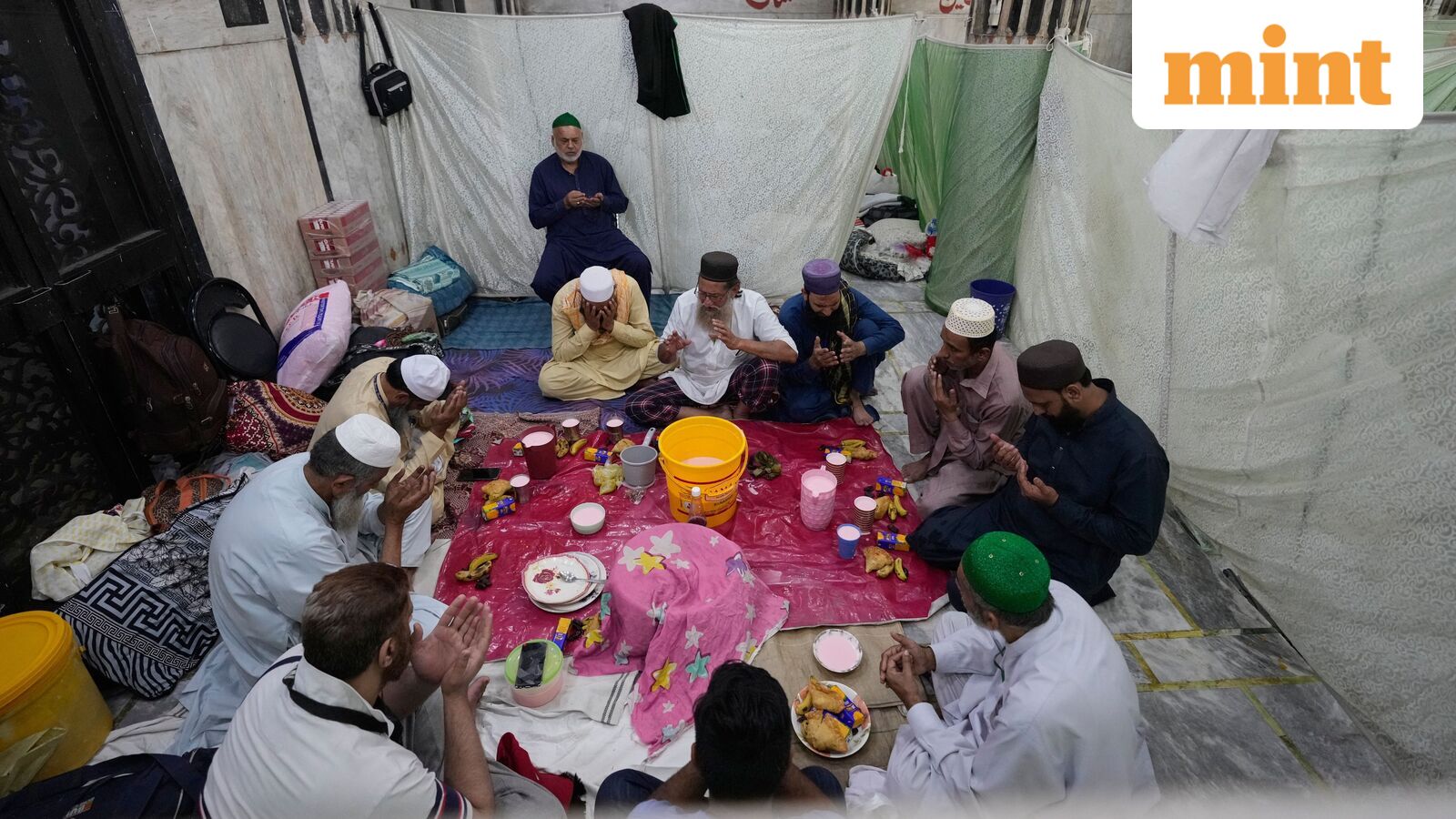
Along with special prayers, Ramadan features two key meals each day. The first is Sehri, the pre-dawn meal eaten before the fast begins at sunrise. The second is Iftar, the meal taken after sunset to break the day’s fast.
The Sehri and Iftar timings differ in different countries and change slightly every day according to the varying timings of the sunrise and sunset. Also, in India, the timings differ from city to city.
Why Is Ramadan Considered Spiritually Significant?
The fasting from dawn to the sunset is considered to be a profound act of worship that inculcates the essence of self-discipline, devotion, and mindfulness. The holy month is also seen as a time for self-reflection, cleansing of the soul, and seeking forgiveness. Charity and kindness acts are strongly encouraged during this period.
The holy month also helps in reinforcing social relationships as families and community members come together to have the evening meal, which breaks the fast (iftar).
City-Wise Sehri And Iftar Timings (11 March 2026)
Lucknow
Sehri time: 05:04 AM
Delhi
Sehri time: 05:17 AM
Hyderabad
Sehri time: 05:15 AM
mumbai
Sehri time: 05:38 AM
How is Ramadan celebrated in India, Saudi Arabia and across the world?
In India, Ramadan is marked by the high-spirited evening markets and large iftar gatherings with traditional meals such as kebabs, biryani and dates. Mosques hold special nightly prayers of Taraweeh, and charity, as well as food distribution are important aspects.
In Saudi Arabia which is home to Islam’s holiest sites, Ramadan is marked by increased spiritual fervor. Millions of worshipers gather at the Masjid al-Haram in Mecca and Al-Masjid an-Nabawi in Medina. Families come together for traditional meals, and work hours are shortened to adjust to fasting.
Across the Middle East, cities such as Dubai host Ramadan night markets and themed tents, where communities gather for suhoor and iftar meals. In Turkey, popular customs have remained communal iftar events and traditional drumming to wake people for suhoor.
In Indonesia, the world’s largest Muslim-majority nation, Ramadan bazaars and late-night prayers at major mosques remain central to the celebrations. In Western countries, interfaith iftar gatherings are held to bridge cultural gaps and foster community cohesion, besides fasting alongside work or studies.